

If your channels don’t share a brain, you’re leaving money on the table.
Omnichannel ecommerce ties every sales and marketing touchpoint into one system, website, stores, apps, marketplaces, social, and messaging.
When inventory, promotions, and customer profiles sync in real time, shoppers buy more often and spend more per visit.
Omnichannel shoppers buy 70 percent more often and spend about 34 percent more than offline-only customers.
This post shows what changed, why that lift matters for your margin and operations, and the practical steps to make channels act like one.
Start with the six connected pieces that make omnichannel work.
Core Foundations of Omnichannel Ecommerce Integration

Omnichannel ecommerce ties together every sales and marketing channel into one working system. Your website, physical stores, mobile apps, online marketplaces, social platforms, messaging tools, all of it. Each one shares the same inventory data, pricing, promotions, and cart state.
When a customer adds something to their cart via Instagram, that item should still be sitting there when they log in on desktop. And a sales associate in your store should see the full purchase history and preferences for that same customer.
This whole thing depends on six connected pieces:
- Unified brand presence at every touchpoint, from product listings to email signatures
- Consistent messaging across channels so your promo copy, imagery, and offers stay aligned
- Centralized promotions that work online, in store, via SMS, and on social. One code, no restrictions.
- Unified customer profiles pulling together web behavior, in-store purchases, email clicks, and app activity into one identity
- Seamless recognition so customers don’t have to re-authenticate or re-enter preferences when they switch devices or locations
- Connected shopping journeys where a customer can start research on mobile, save items in a wish list, get an SMS reminder, and finish the purchase in-store without starting over
The numbers tell the story. Omnichannel shoppers buy 70 percent more often and spend about 34 percent more than offline-only customers. But 78 percent of brands historically lacked unified customer experiences, and 70 percent of consumers now expect every company representative to have the same information whether they’re online or face to face.
Distinguishing Omnichannel Ecommerce From Multichannel Retail Models
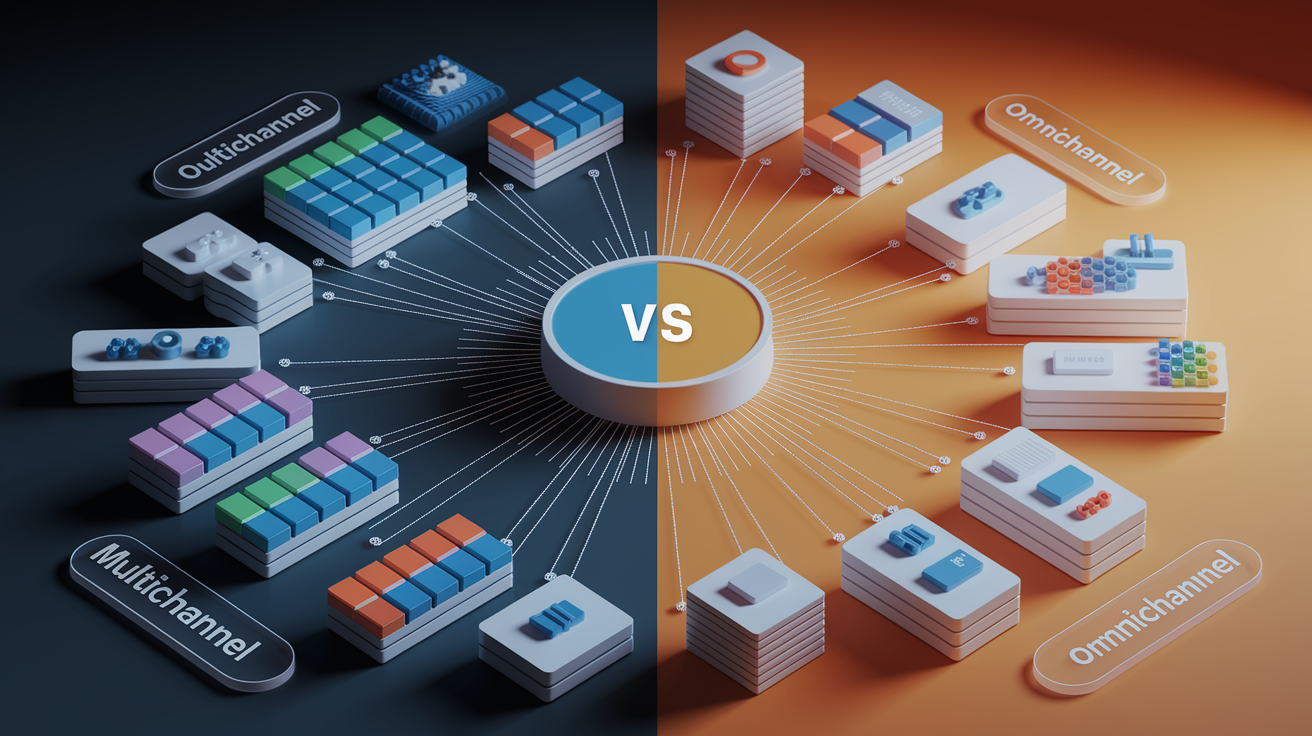
Multichannel ecommerce just means you’re selling across multiple platforms. Amazon, eBay, a Shopify storefront, Instagram, maybe a brick-and-mortar shop. But each channel runs on its own logic. Inventory counts differ between platforms. A promotion launched on the website might not apply in store. Customer accounts stay separate, so purchase history from the retail floor never shows up in the online account dashboard. An abandoned cart on mobile stays invisible to the in-store associate.
Omnichannel ecommerce gets rid of that fragmentation. Messaging, pricing, user experience, and customer data move freely across every touchpoint. A shopper adds a product to their cart on mobile, and that cart’s still there on desktop. They visit a store, and the associate sees their browsing history and can suggest relevant products. Promotions apply everywhere. One code, usable anywhere.
Adoption signals show partial progress. Fifty-four percent of brands now offer buy-online-pick-up-in-store (BOPIS), 72 percent support buy-online-return-in-store (BORIS), but only 31 percent display real-time store inventory online. Those gaps show how far most brands still have to go.
Key Differences in Execution
The core question is whether your channels share a brain or operate independently. Multichannel models give each platform its own customer records, inventory counts, and promotional calendars. Omnichannel and unified commerce models put one centralized system in charge of all channels, keeping everything consistent and enabling cross-channel services like endless-aisle fulfillment and unified loyalty programs.
| Model Type | Characteristics |
|---|---|
| Multichannel | Multiple sales platforms operating independently. Separate inventory, customer databases, and promotion logic per channel. |
| Omnichannel | Unified inventory, shared customer profiles, consistent pricing and promotions. Channels exchange data and context in real time. |
| Unified Commerce | Single platform powering all channels with one source of truth for orders, customers, and stock. Highest level of integration maturity. |
Strategic Advantages Driving Omnichannel Ecommerce Adoption
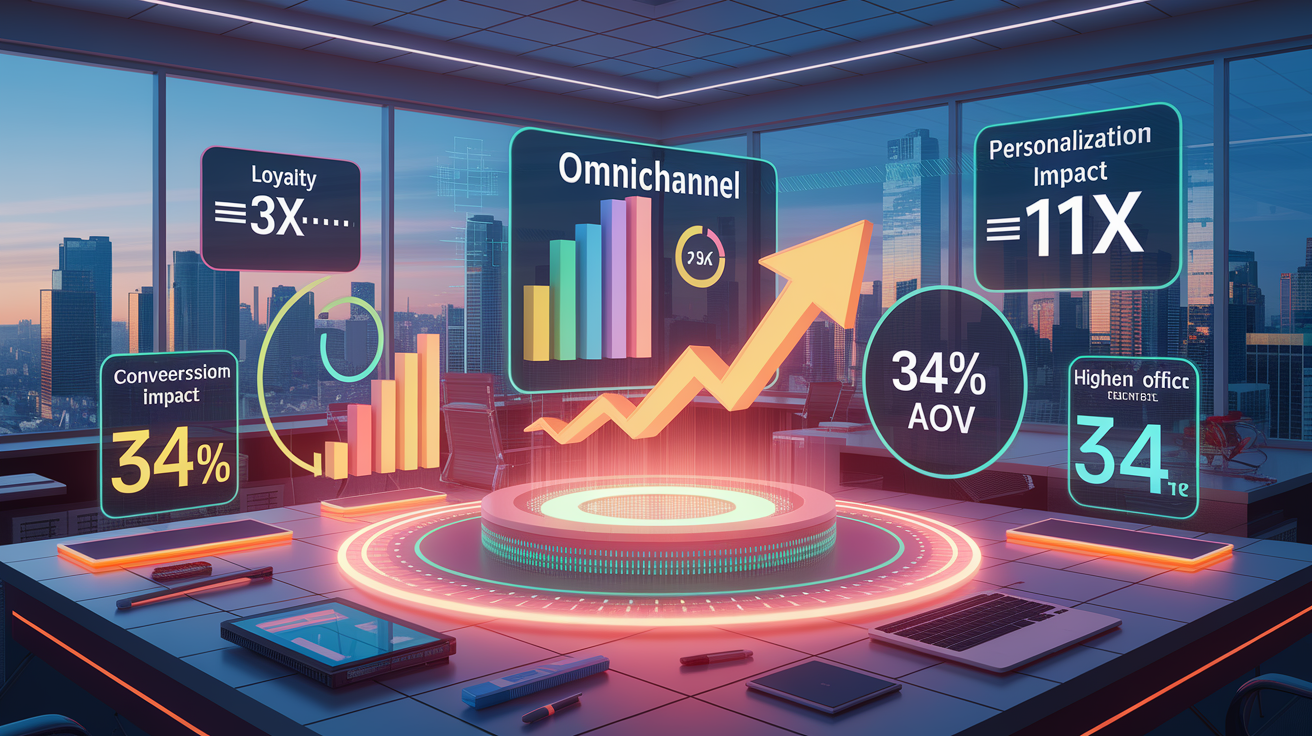
Omnichannel buyers are three times more loyal than digital-only customers. They tolerate about 4.2 bad experiences before they churn, compared to 1.3 for single-channel shoppers. That resilience comes from deeper engagement. When you meet customers on their preferred channels with consistent, personalized messaging, trust builds up.
Retailers with mature omnichannel capabilities grow at nearly double the rates of competitors still running disconnected systems.
Personalization performance separates leaders from everyone else. Fifty-one percent of consumers get frustrated with irrelevant content or offers, but 78 percent respond positively when brands deliver personalized recommendations. Real-time, data-backed personalization can lift conversion rates hard. One cosmetics brand saw an eleven-times improvement by serving product recommendations powered by unified behavioral data instead of generic suggestions.
Revenue and operational metrics show measurable lift:
- Increased purchase frequency. Omnichannel shoppers buy 70 percent more often than in-store-only buyers.
- Higher average order value. Customers who visit a brand’s website before entering a store spend 13 percent more per transaction. Overall, omnichannel buyers spend about 34 percent more than offline-only shoppers.
- Improved customer loyalty. Unified experiences reduce churn and extend lifetime value by letting customers switch between channels without friction.
- Reduced fulfillment costs. Mature unified-commerce retailers report about 27 percent lower fulfillment costs per order by optimizing ship-from-store and inventory allocation.
- Lower cart abandonment. Consistent checkout experiences and cross-channel cart persistence cut abandonment rates by roughly 18 percent in mature setups.
Omnichannel buyers might need anywhere from 20 to 500 brand interactions before they complete a purchase. That includes discovery, comparison, retargeting, and post-purchase engagement. Fragmented systems lose context at every handoff. Unified platforms keep it.
Technical Foundations Powering Omnichannel Ecommerce Systems

An omnichannel ecommerce setup depends on real-time inventory sync, unified order routing, and a single customer identity that sticks across every touchpoint. Inventory visibility has to update in seconds, not hours. That prevents overselling when one channel moves the last unit of a SKU sitting in a physical store.
Order management systems (OMS) figure out the best fulfillment source, balancing proximity, stock availability, and cost to route a web order to the closest store or distribution center.
Point-of-sale (POS) integration ties physical and digital operations together. Mobile POS devices let associates complete transactions anywhere on the sales floor, check online inventory for out-of-stock items, and start endless-aisle orders that ship directly to the customer. Smart fitting rooms with RFID readers recognize items brought into the stall, suggest complementary products on in-room touchscreens, and send SMS notifications when requested sizes arrive. Kiosks extend the product catalog beyond what fits on shelves, so customers can browse, customize, and order items for home delivery or in-store pickup.
Warehouse management systems (3PL connectors) and headless commerce setups provide flexibility and scale. Headless architectures split the front-end presentation layer from back-end commerce logic. That lets you refresh storefronts, launch new channels, or introduce voice-commerce interfaces without rewriting core systems. APIs bind every component. CRM, email service providers, SMS platforms, advertising pixels, loyalty programs. Customer actions in one channel immediately inform what happens in another.
Data & System Architecture Considerations
The connective tissue is a shared intelligence layer, often built on a customer data platform (CDP) or unified data warehouse. It pulls together behavioral signals, transactional records, and profile attributes into one real-time view.
Marketing automation platforms use that data to trigger cross-channel journeys. Abandoned-cart emails followed by SMS reminders, retargeting ads on social, and personalized homepage banners when the customer returns.
Attribution connectors track every touchpoint so marketing teams understand which channels drive discovery, assist conversion, or close the sale. That moves you past last-click models that ignore the complexity of modern buyer journeys.
Practical Examples of Omnichannel Ecommerce in Action
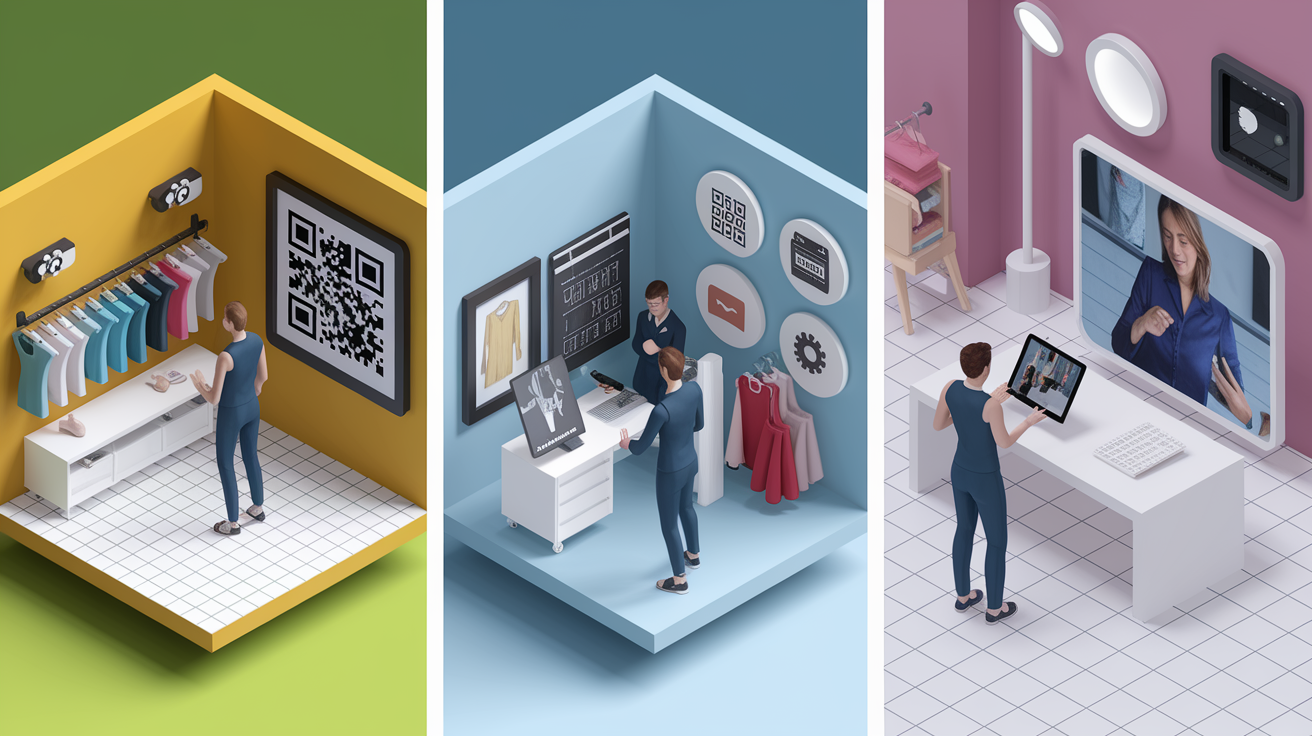
Rebecca Minkoff deployed smart stores combining smart fitting rooms, integrated POS, and SMS marketing. Within five months of launch, the brand saw a six-to-seven-times sales increase at equipped locations. Customers scanned QR codes in fitting rooms to request different sizes or colors. Associates got notifications and delivered items without the customer leaving the stall. Purchase history and preferences synced instantly, so stylists could offer relevant upsells.
Allbirds introduced portable POS terminals and endless-aisle fulfillment to sell SKUs not physically stocked in-store. Associates checked real-time inventory across all locations and warehouses, completed transactions on handheld devices anywhere on the sales floor, and set up direct-to-customer shipping for out-of-stock items. This approach cut lost sales from limited shelf space and reduced the need to overstock slow-moving sizes.
Crate & Barrel’s Singapore operation launched virtual consultations and flexible returns to replicate in-store confidence for high-ticket online purchases. Customers scheduled video calls with design specialists who gave room-planning advice, product comparisons, and personalized recommendations. Returns and exchanges accepted in store for online orders removed friction and reassured buyers hesitant to commit to large furniture pieces sight-unseen.
| Brand | Omnichannel Capability | Measured Outcome |
|---|---|---|
| Rebecca Minkoff | Smart fitting rooms + integrated POS + SMS marketing | 6–7x sales increase within five months post-launch |
| Allbirds | Portable POS + endless-aisle fulfillment | Eliminated lost sales from limited in-store inventory; enabled checkout anywhere |
| Animals Matter | Added direct online channel integrated with existing retail | +45% year-over-year sales, +36% conversions, +46% ROAS |
| Crate & Barrel (Singapore) | Virtual consultations + flexible in-store returns for online orders | Increased buyer confidence and conversion for big-ticket items |
Building an Effective Omnichannel Ecommerce Strategy
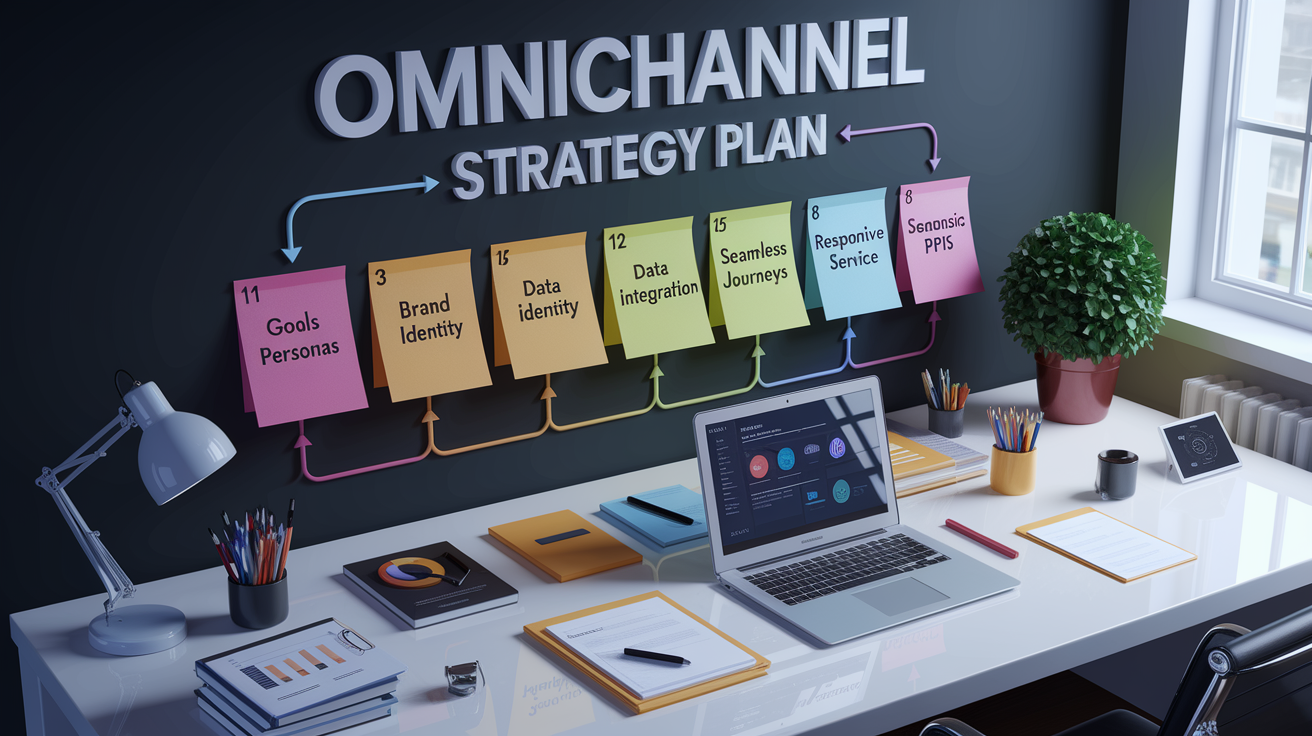
Start by defining clear, measurable goals tied to business outcomes. Increase online sales by a specific percentage, drive incremental store traffic from digital channels, improve retention rates, or boost customer lifetime value. Vague objectives like “be more omnichannel” produce vague results. Concrete targets like “20 percent of web orders fulfilled via ship-from-store within six months” focus execution and let you track progress.
Next, build detailed buyer personas that map preferred channels, typical purchase journeys, and decision triggers. A persona might show you that your core customer discovers products on Instagram, researches reviews on your website, subscribes to SMS for launch alerts, and completes checkout in store to inspect quality firsthand. That journey touches four channels. Your strategy has to keep those handoffs smooth.
- Outline clear, measurable goals. Tie objectives to revenue, retention, or margin targets rather than vanity metrics like total channel count.
- Define buyer personas and preferred channels. Use purchase histories, analytics, surveys, and customer-service logs to figure out where customers actually spend time and how they move between touchpoints.
- Establish consistent brand identity across channels. Align visual design, tone of voice, product descriptions, pricing, and promotional messaging so customers recognize your brand instantly no matter where they see it.
- Integrate data and systems for real-time visibility. Connect CRM, inventory management, OMS, POS, and marketing platforms so customer actions update one central record and inventory counts reflect every sale within seconds.
- Map and optimize seamless customer journeys. Document discovery paths, retargeting sequences, and conversion funnels. Find friction points where customers drop off or have to re-enter information.
- Personalize using cross-channel behavioral data. Serve product recommendations, targeted promotions, and dynamic site content informed by in-store purchases, email clicks, app activity, and browsing history.
- Ensure responsive omnichannel customer service. Give support teams unified customer profiles so email, live chat, phone, and in-store associates all see the same order history, preferences, and open issues.
- Maintain agility: measure against KPIs and iterate. Track performance weekly or monthly. Adjust channel mix, messaging, and fulfillment routing based on what the data reveals.
Omnichannel buyers can require 20 to 500 brand interactions before purchase. Your strategy has to account for that complexity by keeping context across every touchpoint rather than treating each interaction as independent.
Fulfillment, Inventory, and Last-Mile Operations for Omnichannel Ecommerce
Real-time inventory sync decides whether omnichannel promises hold or break. When a customer sees “in stock” online but shows up at the store to find empty shelves, trust disappears. Seconds-level updates matter. One channel sells the last unit, and within moments every other channel reflects zero availability. Only 31 percent of brands currently display store inventory online, leaving most customers unable to confirm availability before making a trip.
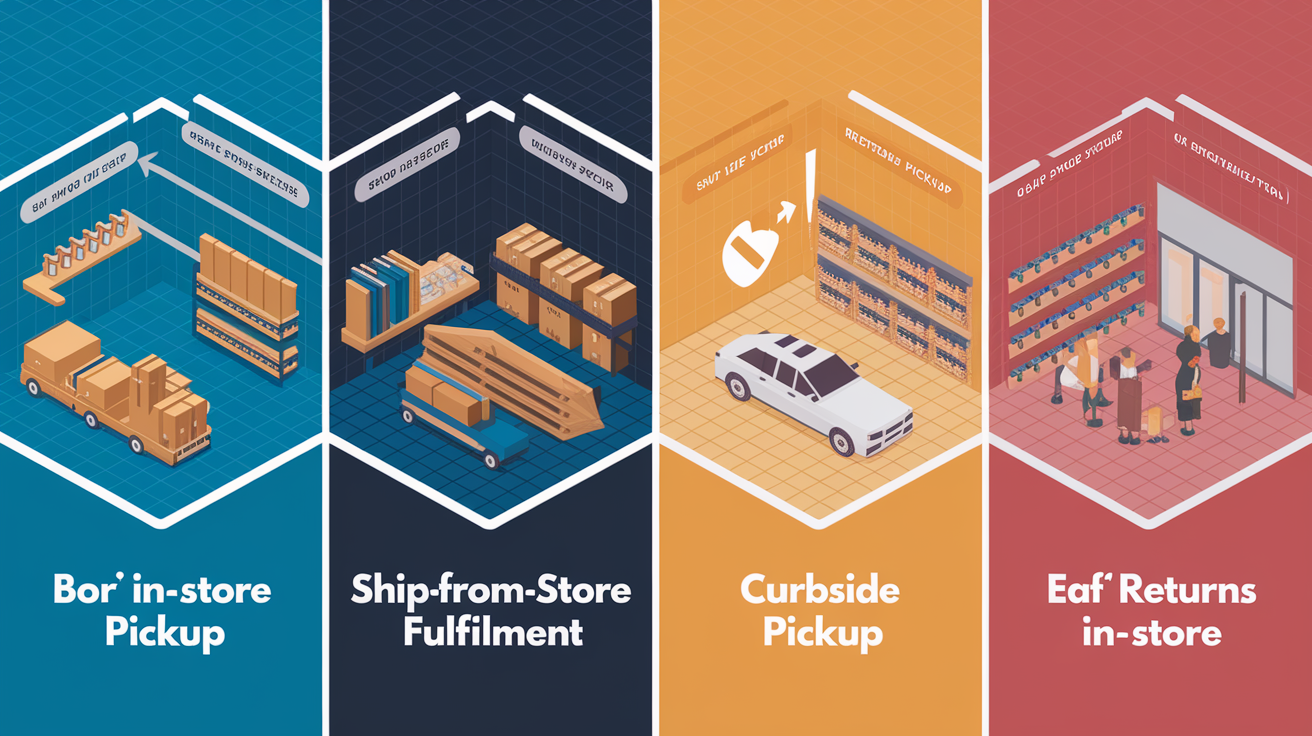
Buy-online-pick-up-in-store (BOPIS) is now offered by 54 percent of brands. Eighty-five percent of customers who pick up orders in store make unplanned additional purchases while there. This behavior turns fulfillment into a revenue driver rather than just a cost center.
Ship-from-store fulfillment uses retail locations as micro-warehouses, shrinking last-mile distances and cutting delivery times. Curbside pickup became standard during pandemic lockdowns and remains attractive to time-pressed shoppers. Thirty-six percent of consumers won’t pay extra for next-day shipping, making fast, free pickup a competitive edge.
Flexible returns management finishes the loop. Seventy-two percent of brands now accept buy-online-return-in-store (BORIS), getting rid of the hassle of packing, labeling, and scheduling carrier pickups. In-store returns also create opportunities for exchanges, upsells, and immediate replacements that keep revenue in-house rather than processing refunds.
- BOPIS (buy online, pick up in store). Converts fulfillment into a store-traffic driver. Eighty-five percent of pickup customers make additional purchases.
- Ship-from-store. Uses retail inventory to fulfill online orders, cutting last-mile delivery time and cost.
- Curbside pickup. Offers speed and convenience without requiring customers to enter the store. Appeals to shoppers unwilling to pay for expedited shipping.
- Flexible returns (BORIS). Accepting online returns in store reduces return friction and creates exchange and upsell opportunities.
How Personalization & AI Enhance Omnichannel Ecommerce
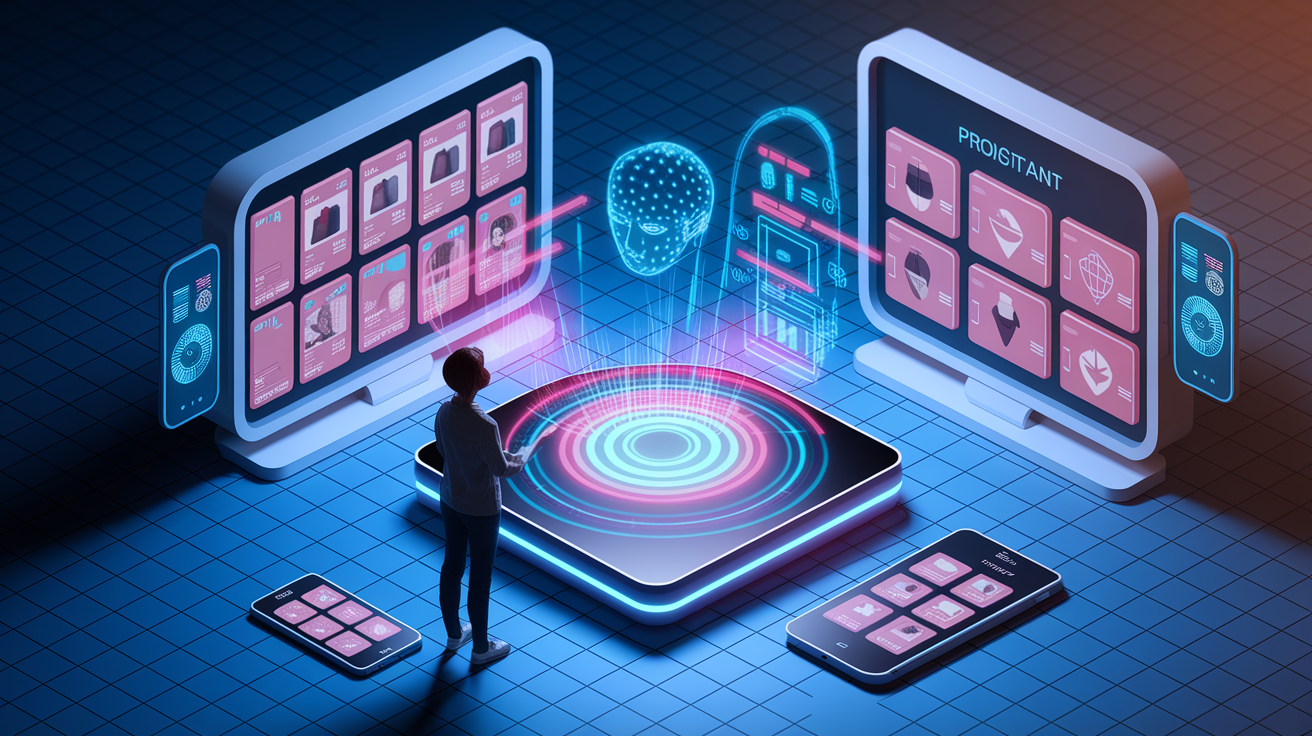
Real-time personalization powered by unified customer data can produce conversion lifts as high as eleven times baseline performance. One cosmetics brand swapped generic product carousels for recommendations informed by browsing history, past purchases, email engagement, and in-store transactions. The result was that dramatic improvement.
Effective personalization latency ranges from as low as five milliseconds to about two seconds. That timing enables dynamic homepage content, search-result reranking, and personalized email subject lines that reflect behavior minutes earlier.
Artificial intelligence extends personalization past product recommendations into orchestration, forecasting, and conversational commerce. Predictive orchestration analyzes customer behavior to figure out the optimal channel, timing, and message for the next interaction. Send an SMS reminder 24 hours after cart abandonment, follow with a personalized email 48 hours later, and surface a retargeting ad on social if neither converts.
Conversational agents built on natural-language models handle common support queries, guide product discovery, and complete transactions via messaging apps. They reduce friction for customers who prefer text-based interaction over browsing catalogs. The U.S. conversational commerce market is projected to grow from $3.2 billion in 2025 to $12 billion by 2035.
- Predictive personalization. Machine learning models predict next-best actions, product affinities, and churn risk to tailor offers and outreach timing.
- Conversational commerce agents. Natural-language chatbots and voice assistants enable product discovery, order tracking, and checkout directly within messaging apps or smart speakers. “Tell me about your best-selling running shoes in size 10.”
- Real-time product recommendations. Dynamic suggestions based on live browsing, recent purchases, and cross-channel behavior replace static “bestsellers” or “recently viewed” carousels.
- AI-assisted demand forecasting. Predictive models analyze historical sales, seasonality, and external signals to optimize inventory allocation and reduce stockouts or overstock.
- Cross-channel campaign optimization. AI adjusts bid strategies, creative rotation, and audience targeting across paid search, social ads, email, and SMS to maximize return on ad spend.
Measuring Performance & KPIs in Omnichannel Ecommerce

Effective measurement requires multi-touch attribution models that credit every channel contributing to a conversion rather than dumping full value on the last click. A customer might discover a product via Instagram, read reviews on the website, get an abandoned-cart email, and complete the purchase in store after receiving an SMS reminder. Last-click attribution hands all credit to SMS. Multi-touch models spread value across the full journey, showing which channels drive discovery, assist consideration, or close sales.
Track average order value and monthly spend separately for omnichannel versus single-channel customers. Data consistently shows omnichannel buyers spend about 1.5 times more. $1,043 per month compared to $659 to $669 for single-channel shoppers. And they buy more frequently.
Conversion lift from personalization and remarketing campaigns gives you another lens. One omnichannel product-launch campaign hit a 50 percent higher click-through rate than other campaigns run in the same year, showing the power of coordinated messaging.
Operational KPIs like fulfillment cost per order and cart abandonment rate show efficiency gains. Mature unified-commerce retailers report about 27 percent lower fulfillment costs by optimizing ship-from-store routing and roughly 18 percent reduced cart abandonment through consistent checkout experiences and cross-channel cart persistence.
| KPI | Purpose | Measurement Method |
|---|---|---|
| Average order value (AOV) by channel type | Compare spending patterns of omnichannel vs single-channel customers | Segment orders by customer channel usage; calculate mean order value per segment |
| Repeat purchase rate and churn tolerance | Assess loyalty and engagement depth | Track purchase frequency and number of negative experiences tolerated before churn |
| Conversion lift from personalization | Quantify impact of unified-data-driven recommendations | A/B test personalized vs generic experiences; measure conversion-rate difference |
| Fulfillment cost per order | Evaluate operational efficiency of ship-from-store and routing logic | Divide total fulfillment expenses by order volume; compare across fulfillment methods |
| Channel contribution via multi-touch attribution | Understand which channels drive discovery, assist, or close sales | Implement attribution models (linear, time-decay, position-based) to distribute credit across touchpoints |
Common Barriers to Omnichannel Ecommerce Success
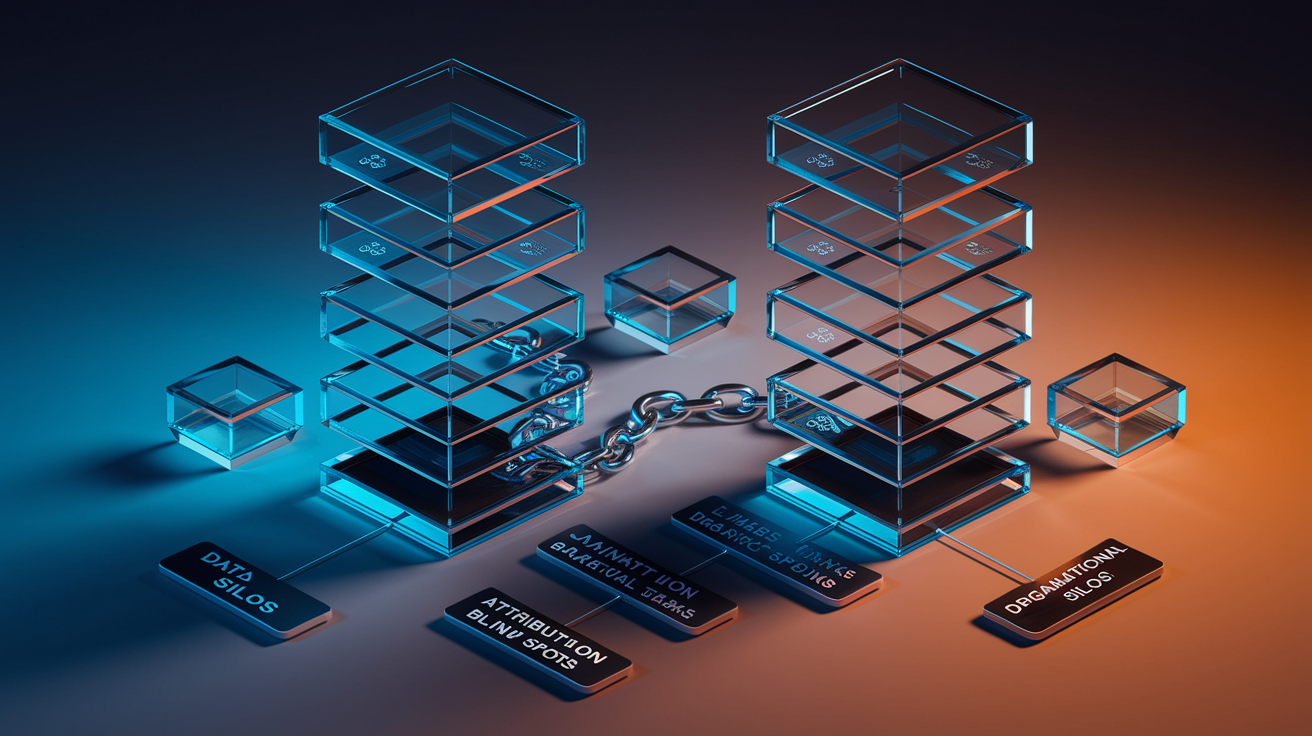
Sixty-eight percent of organizations point to data silos as the top barrier to omnichannel execution. Customer records sit in separate databases for web, retail POS, email platforms, and loyalty programs. Inventory counts live in disconnected warehouse-management and retail systems. Without a unified data layer, personalization stays shallow, inventory visibility lags, and customer service lacks context.
Legacy point-of-sale and ERP systems create integration headaches. Older platforms often lack modern APIs, so you need custom middleware or expensive integrations to share data with ecommerce platforms, marketing automation tools, and order-management systems. Misaligned systems produce inconsistent pricing. A promotion live online but not honored in store. Messaging that contradicts itself across channels and wrecks trust.
Attribution limitations make measurement harder. Many brands still lean on last-click models that ignore the dozens or hundreds of interactions before a purchase, undervaluing channels that drive discovery or nurture consideration. Without multi-touch attribution, marketing budgets tilt toward bottom-funnel tactics, starving awareness and engagement efforts that feed the pipeline.
- Data silos. Customer profiles, order histories, and inventory counts split across disconnected platforms prevent real-time personalization and consistent experiences.
- Legacy technology constraints. Older POS, ERP, and warehouse systems lack modern APIs, requiring costly custom integrations and limiting agility.
- Attribution blind spots. Last-click models misattribute channel value, leading to underinvestment in discovery and consideration touchpoints.
- Organizational silos. Marketing, sales, and operations teams working independently without shared goals or unified dashboards fragment execution and slow response to customer needs.
Final Words
In the action: this post defined omnichannel ecommerce and laid out the core pieces, including unified brand presence, consistent cross-channel messaging, centralized promotions, unified customer profiles, seamless identity recognition, and connected shopping journeys, plus the measurable lifts those bring.
You also saw how it differs from multichannel, which systems and fulfillment patterns support it, where personalization and AI move the needle, and which KPIs to watch.
Start with one small use case, measure, and iterate. Omnichannel ecommerce can raise purchase frequency, lift AOV, and make growth more predictable.
FAQ
Q: What is omnichannel ecommerce?
A: Omnichannel ecommerce is a connected retail approach that links web, stores, apps, marketplaces, social, and messaging into one experience, driving higher spend and frequency; start by mapping customer touchpoints.
Q: What is the 80 20 rule in ecommerce?
A: The 80/20 rule in ecommerce means roughly 80% of revenue comes from 20% of products or customers; focus inventory, pricing, and marketing on that top 20 to boost margins.
Q: What are the 4 types of e-commerce?
A: The four types of e-commerce are B2C (business-to-consumer), B2B (business-to-business), C2C (consumer-to-consumer), and C2B (consumer-to-business); pick the model that fits your customers.
Q: What are the 4 pillars of omnichannel?
A: The four pillars of omnichannel are unified customer data, real-time inventory visibility, consistent cross-channel experience, and connected fulfillment/journey orchestration; audit these four areas first.