

Think dropshipping is a ticket to easy riches?
It’s not, but it is a low-cost way to start an e-commerce business and test products fast.
You list products you don’t stock, a supplier ships them to customers, and you pocket the markup.
This guide explains how dropshipping works, who it helps, the typical margins you can expect, and the exact first steps to launch a test store without buying inventory.
Read on if you want a clear, practical take on whether dropshipping can earn real profit.
What Is Dropshipping and How It Works?
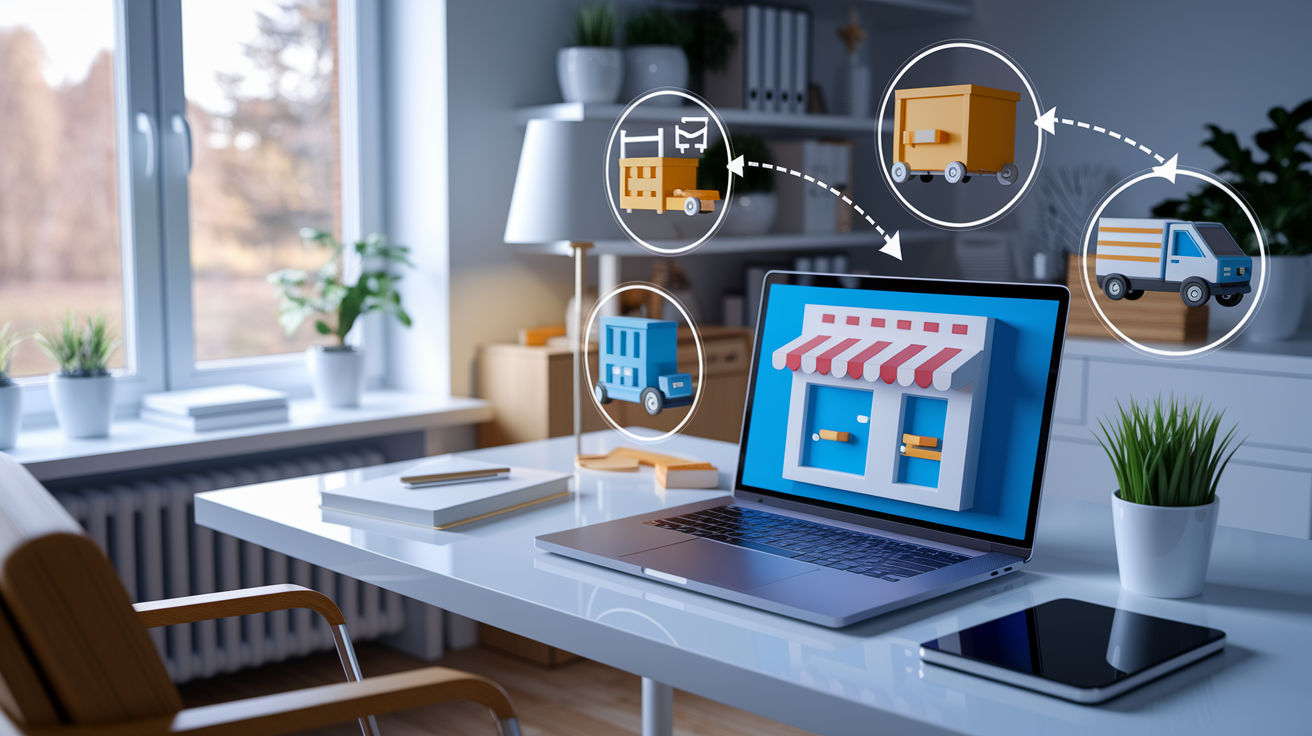
Dropshipping is a retail fulfillment method where you list and sell products without actually holding any inventory. When someone orders from your store, you forward that order to a third-party supplier who ships the product straight to your customer. You pocket the difference between what the customer paid and what the supplier charged you.
This flips the usual retail setup. Instead of buying stock upfront, storing it somewhere, and handling shipping yourself, you’re basically connecting buyer demand with supplier fulfillment. Here’s how a typical transaction goes:
- Someone visits your online store and buys something.
- You collect the payment at your retail price.
- You send the order details and wholesale payment to your supplier.
- The supplier packs and ships the product directly to your customer.
People are drawn to dropshipping because it removes two big startup hurdles: needing a pile of cash upfront and the risk of sitting on unsold inventory. You don’t pay for products until after a customer’s already paid you, which means you can test ideas, change direction fast, and run everything from a laptop.
Core Components of a Successful Dropshipping Model
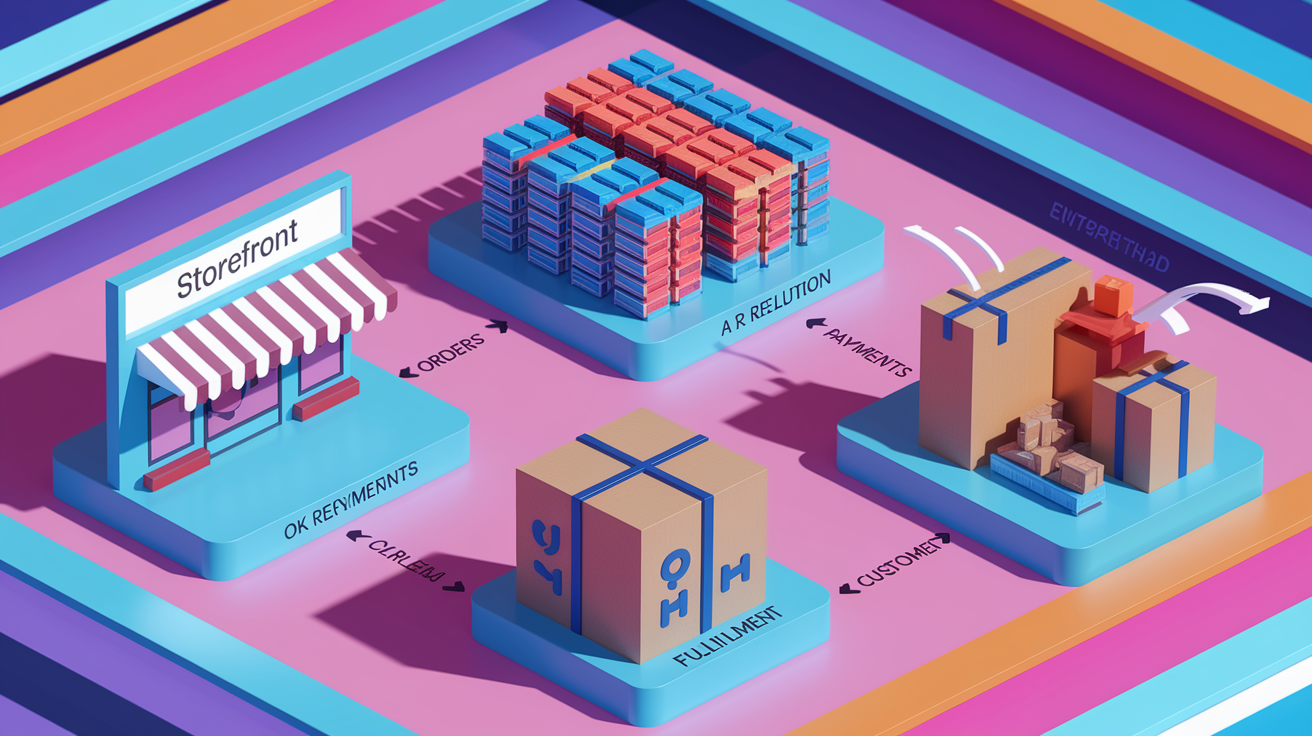
Every dropshipping sale involves three people working in sequence. The retailer (that’s you) builds the storefront, markets products, and handles customer-facing stuff like support and returns. The supplier keeps the physical inventory, packages orders, and manages shipping. The customer browses, buys, and receives the product, usually without knowing a third party fulfilled it.
What makes the model work:
- Retailer: You own the brand, set prices, drive traffic, and manage the customer experience.
- Supplier: Stores inventory, fulfills orders, handles packaging and shipping for you.
- Customer: Orders through your store and gets products shipped directly from the supplier.
On any given day, orders flow from your store to your supplier through software integrations or manual forwarding. The supplier gets the order details, picks and packs the item, prints a label, and sends it out. You track shipments and answer customer questions. Strong communication with your supplier matters a lot. Delays, stockouts, or quality problems on their end show up as problems with your brand.
Pros and Cons of Dropshipping
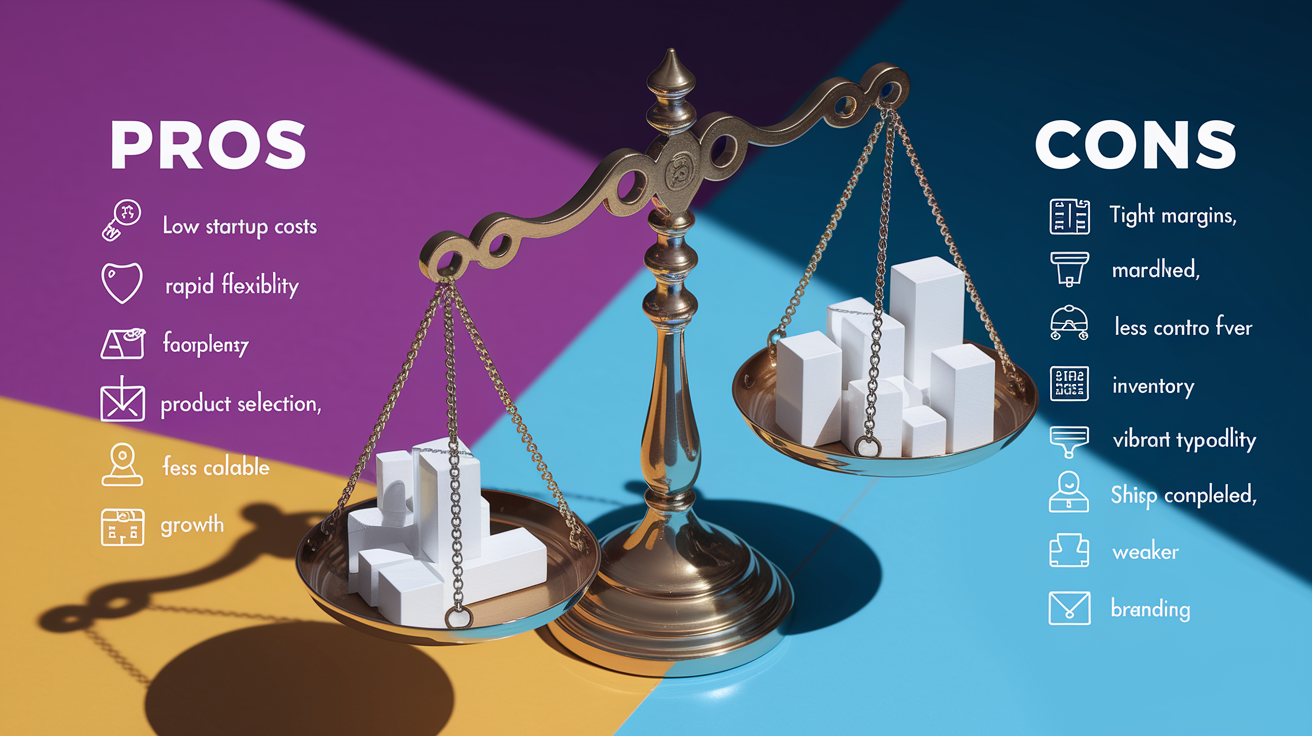
Before you commit time and money, look at both sides.
Dropshipping offers some clear advantages:
- Low startup costs: No need to buy inventory upfront or rent warehouse space.
- Location flexibility: Run your business from anywhere with internet.
- Wide product selection: List hundreds of items without storing a single one.
- Easier to test products: Launch new stuff quickly and drop what doesn’t sell without liquidation headaches.
- Simpler scaling: Add products or expand into new markets without needing more storage or warehouse staff.
But the model comes with real constraints:
- Lower profit margins: You’re typically looking at 10–30% margins, which doesn’t leave much room for ads or mistakes.
- Limited control over fulfillment: You’re counting on suppliers for product quality, packing accuracy, and shipping speed.
- Inventory volatility: Suppliers can sell out without warning, forcing you to cancel orders or scramble for alternatives.
- Shipping complexities: Orders from multiple suppliers mean split shipments, inconsistent delivery times, and messy return processes.
- Harder to build a brand: Third-party packaging and generic labels make it tough to create a memorable unboxing experience.
The trade-off is pretty straightforward. Dropshipping cuts financial risk and operational hassle, but you’re giving up margin, control, and brand differentiation. Success comes down to picking good suppliers, managing costs carefully, and driving enough volume to make up for thinner profits per order.
Steps to Start a Dropshipping Business

Launching a dropshipping operation takes planning and deliberate action.
Here’s the sequence from idea to first sale:
- Choose a niche: Pick a focused product category with clear demand, manageable competition, and decent margin potential.
- Select your e-commerce platform: Look at Shopify, WooCommerce, BigCommerce, or other store builders based on your budget and tech skills.
- Research and vet suppliers: Use directories, marketplaces, or direct outreach to find suppliers with reliable fulfillment, good communication, and transparent pricing.
- Select initial products: Start with 10–30 SKUs that fit your niche and show demand signals like search volume, competitor sales, or social engagement.
- Build your online store: Set up product pages, write descriptions, upload quality images, and configure checkout and payment processing.
- Set pricing and shipping policies: Calculate your costs (product, shipping, platform fees, payment processing) and set retail prices that hit your target margins while staying competitive.
- Launch and drive traffic: Publish your store, set up basic analytics, and start testing paid ads or organic content to bring in visitors.
Execution beats perfection at launch. Start narrow, validate demand fast, and adjust based on real customer behavior. Order samples from your suppliers before you list products publicly. Check quality, shipping speed, and packaging standards. Lots of first-time dropshippers skip this and only discover quality issues after customer complaints roll in.
Choosing the Right E‑Commerce Platform
Your platform choice shapes performance, costs, and how easily you can integrate supplier feeds and automation.
| Platform | Core Strength | Price Range |
|---|---|---|
| Shopify | Easy setup, large app ecosystem, built-in payments | $39–$399/month |
| WooCommerce | Open-source flexibility, WordPress integration, lower ongoing fees | Free plugin + hosting (~$10–$50/month) |
| BigCommerce | No transaction fees, built-in features, multi-channel selling | $39–$399/month |
Platform choice directly affects how you scale. Shopify gets you from zero to launch fastest with minimal technical knowledge, but monthly fees add up as you grow. WooCommerce gives you more control and lower recurring costs, but you’ll need to manage more plugins and configurations yourself. BigCommerce sits in the middle with strong built-in functionality and no transaction fees on third-party gateways. Evaluate based on your technical comfort, budget, and whether you’re planning to sell on multiple channels. Most successful dropshippers care more about platform stability, supplier integration quality, and automation than minor feature differences.
Finding Reliable Dropshipping Suppliers

Supplier reliability determines fulfillment speed, product quality, and your store’s reputation.
Start by sourcing candidates through supplier directories, industry marketplaces, direct manufacturer contact, or specialized dropshipping platforms. Once you’ve got a shortlist, evaluate each one carefully. Order product samples to check quality, packaging, and actual shipping times. Test their communication by asking detailed questions about stock levels, return policies, and order processing.
Assess suppliers using these six criteria:
- Shipping speed: Domestic suppliers often deliver in 3–7 days. Overseas can take 2–4 weeks.
- Communication responsiveness: Reliable suppliers reply within 24 hours with clear, accurate info.
- Product quality: Samples should match listing descriptions and photos. Inconsistent quality leads to returns and bad reviews.
- Return and refund policies: Transparent, fair policies reduce your risk when products arrive damaged or wrong.
- Pricing structure: Wholesale prices should leave room for competitive retail pricing and acceptable margins after ad spend.
- Stock stability: Suppliers with frequent stockouts force you to cancel orders or scramble for replacements, which kills customer trust.
Strong supplier relationships often get you better pricing, priority fulfillment during busy periods, and flexibility on custom packaging or faster shipping. Treat suppliers as partners. Communicate order forecasts when you can and pay invoices on time.
Understanding Dropshipping Costs and Profit Margins

Profitability in dropshipping comes down to disciplined cost control and realistic margin expectations.
Typical gross margins range from 10–30%, depending on your niche, supplier pricing, and competition. Your goal is keeping total operating expenses below that margin while leaving enough to reinvest in growth. Main costs include the platform subscription, payment processing (usually 2.9% + $0.30 per transaction), product cost from the supplier, shipping fees, advertising spend, and occasional chargebacks or refunds.
| Cost Type | Description |
|---|---|
| Platform fees | Monthly subscription for your e-commerce software (Shopify, WooCommerce hosting, BigCommerce). |
| Product cost | Wholesale price charged by the supplier per unit sold. |
| Advertising | Paid traffic from Facebook, Google, TikTok, or other channels. Often the largest variable expense. |
| Apps and automation | Tools for inventory syncing, order routing, email marketing, and analytics. |
Advertising usually eats the biggest chunk of revenue in the early months. If your margin is 25% and you’re spending 20% of revenue on ads, you’re left with only 5% to cover platform fees, apps, and actual profit. Sustainable dropshipping businesses either secure higher-margin products (30–50%), improve conversion rates to lower customer acquisition cost, or focus on organic traffic and repeat customers to cut ad dependency over time.
Legal and Tax Considerations for Dropshipping

Dropshipping is legal, but you’ve got to comply with local regulations and tax obligations.
Requirements vary by country and even by state or province. In most places, once your revenue hits a threshold or you’re operating consistently, you’ll need to register a legal business entity (sole proprietorship, LLC, or corporation). This lets you open business bank accounts, work with payment processors, and collect sales tax where required. You’re responsible for collecting and remitting sales tax based on your customer’s location if you meet economic nexus thresholds there.
Essential legal steps:
- Business registration: Get the appropriate licenses or permits for your region and business structure.
- Tax registration and remittance: Register for sales tax permits in jurisdictions where you have nexus and file regular returns.
- Clear return and refund policies: Publish policies that comply with consumer protection laws and set customer expectations.
- Supplier agreements: Use written contracts that define responsibilities, liability, shipping standards, and product quality guarantees.
Intellectual property risk is real. Some suppliers offer counterfeit or unauthorized branded products. Selling these exposes you to takedown notices, legal action, and platform account suspension. Vet supplier product sources carefully, ask for authenticity guarantees in writing, and avoid deals that seem too good to be true. If a supplier’s offering name-brand electronics or apparel at a fraction of retail cost, that’s a red flag.
Marketing Strategies for Dropshipping Stores

Driving traffic and converting visitors into buyers are the two levers that determine revenue.
Successful dropshipping stores use a mix of paid and organic marketing to reach potential customers and build repeat business. Start by picking one or two primary channels, test campaigns, and scale what works before expanding into more platforms.
Common marketing channels:
- Facebook and Instagram Ads: Highly visual, strong targeting, effective for impulse and lifestyle products.
- TikTok Ads: Lower cost per click in many niches, excellent for viral product launches and younger audiences.
- Google Shopping and Search Ads: Intent-driven traffic. People actively searching for specific products convert at higher rates.
- SEO and content marketing: Takes longer to see results, but builds sustainable organic traffic and reduces ad dependency.
- Email marketing: Capture emails at checkout or through lead magnets. Use automated sequences to recover abandoned carts and drive repeat purchases.
Paid ads deliver the fastest results but need continuous budget and testing. Organic strategies like SEO, content creation, and social community building take months to gain traction but offer better long-term economics. The smart approach combines both: use paid ads to validate products and generate early sales while building organic channels to lower customer acquisition costs over time.
Test multiple ad creatives, product angles, and audience segments in your first campaigns. Track metrics like cost per click, conversion rate, and return on ad spend closely. A product that converts at 3% with a $30 average order value and $15 cost per acquisition is profitable. The same product with 1% conversion and $25 cost per acquisition loses money on every sale. Optimize hard and cut losing campaigns fast.
Common Challenges in Dropshipping and How to Solve Them

Even well-planned dropshipping operations hit recurring obstacles.
Frequent issues that slow growth or damage customer satisfaction:
- Supplier delays: Shipments take longer than advertised, leading to complaints and refund requests.
- Inventory sync problems: Supplier sells out but your store still shows the product in stock, forcing you to cancel orders.
- Chargebacks and disputes: Customers claim non-delivery or product mismatch, resulting in payment reversals and fees.
- Returns and refunds: Handling returns when you don’t control the warehouse or product adds complexity and cost.
- Low-quality products: Supplier quality drifts over time or sample quality doesn’t match bulk shipments.
Address supplier delays by setting accurate shipping expectations on product pages and checkout. Under-promise and over-deliver when you can. Use inventory management apps or integrations that sync supplier stock levels in real time to avoid selling out-of-stock items. For chargebacks, provide tracking numbers quickly and keep clear records of all communications. Establish a documented return process with your supplier before launching and communicate that process clearly to customers.
Quality control needs ongoing attention. Order periodic check samples even after your store’s live to confirm consistency. If quality drops, address it immediately with your supplier or switch to a backup source. Many dropshippers keep relationships with two or three suppliers per product category to reduce single-point-of-failure risk.
Expert Tips for Scaling a Dropshipping Operation
Growth beyond initial traction requires deliberate operational improvements and strategic expansion.
Once you’ve validated product-market fit and consistently generate sales, focus on scaling tactics that multiply output without proportionally increasing your workload. Automate repetitive tasks like order forwarding, inventory updates, and customer email sequences using apps or integrations. Hire virtual assistants to handle customer support, supplier communication, or ad creative production so you can focus on strategy and growth decisions.
Advanced scaling tactics:
- Product testing frameworks: Launch new SKUs in small batches with limited ad spend, measure performance, and double down on winners.
- Multi-channel expansion: List top-performing products on marketplaces or additional storefronts to capture broader audiences.
- Supplier negotiation: Use growing order volume to negotiate better wholesale pricing or faster shipping terms.
- Custom branding and packaging: Work with suppliers who offer white-label or co-branded packaging to strengthen brand identity.
- Lookalike and retargeting campaigns: Use customer data to build high-converting audience segments and reduce cost per acquisition.
Scaling profitably means improving unit economics as volume grows. Track customer lifetime value, repeat purchase rate, and contribution margin per order. If your repeat purchase rate is low, invest in email marketing, loyalty programs, or product bundling to increase average customer value. If margins stay tight, test premium product lines, upsells at checkout, or subscription models to lift average order value and offset ad costs.
Final Words
You saw how dropshipping actually flows: customer order to supplier shipment, the core players, and the mechanics that let you sell without holding stock. The post ran through pros and cons, startup steps, platform choice, supplier vetting, costs, legal must-dos, marketing, common fixes, and scaling tips.
Next steps: pick a niche, vet 2 suppliers, build a simple store, and run a small paid test while tracking margins.
Do that and you’ll have a clear path to a resilient dropshipping e-commerce business that can grow with measured experiments.
FAQ
Q: Is e-commerce dropshipping profitable?
A: E-commerce dropshipping can be profitable when you control product choice, supplier reliability, and ad ROI; typical gross margins run 10–30%, so profitability depends on marketing efficiency and scale.
Q: Can I make $10,000 per month dropshipping?
A: You can make $10,000 per month dropshipping, but it requires a winning product mix, consistent ad ROAS, good margins, and reliable fulfillment—most sellers hit it after testing and reinvesting.
Q: Is $1000 enough to start dropshipping?
A: A $1,000 budget is enough to start dropshipping for a lean test—covering a basic store, product samples, and initial ads—but expect slow scaling and the need to reinvest earnings.
Q: Who is the richest dropshipper?
A: There’s no verified single “richest dropshipper”; top e-commerce wealth usually comes from brands that own inventory or private companies, and public claims about pure dropshipping fortunes are often unverified.