


Most B2B buyers now touch 10 or more channels before they complete a purchase — but only 65 percent of sellers moved fully online by 2022, and many still treat digital as a side project. That gap is expensive. The firms that unified their data, personalized by account, and automated quoting are pulling away fast. The ones stuck on fragmented systems and generic catalogs are losing share to competitors who make buying frictionless. Here’s what’s separating the winners from the laggards right now.
Core B2B Ecommerce Trends Shaping the Market Right Now

By 2022 most B2B sellers had moved to online-first models. Sixty-five percent were selling exclusively online, which flipped ecommerce from a side channel into the main revenue engine. Mobile matters now. Mobile commerce volume was projected at about $621 billion by 2024, roughly 43 percent of transactions. Nearly half of buying is happening on devices that fit in your pocket.
Buyers are pulling in three directions at once. Social commerce is real — roughly 36 percent of U.S. internet users now qualify as social buyers and more than half of them have purchased inside a social platform. AI adoption is racing ahead — about 45 percent of B2B firms were experimenting with generative AI and 32 percent had it in daily use for personalization, automation, and always-on chat. And omnichannel expectations have hardened: buyers touch about 10 channels during one purchase journey and expect smooth hand-offs between each.
Speed and channel variety only help if the content is right. Twenty-seven percent of buyers say irrelevant product messages are their top frustration. Bad product data, misaligned catalogs, and generic recommendations kill conversion across channels.
Why this matters: the revenue gap between digital leaders and laggards is widening. Companies that nail mobile UX, feed AI with clean data, personalize by account, and unify channels are grabbing disproportionate growth. The ones stuck on fragmented systems and generic storefronts are losing share.
Six trends to watch now
- Mobile-first buying. Over 42 percent of transactions on mobile. Buyers expect fast, friction-free checkout.
- AI-powered automation. From quotes to forecasting, AI takes manual work off your team and personalizes at scale.
- Hyper-personalization. Account pricing, dynamic catalogs, and intent-driven recommendations lift conversion and order value.
- Omnichannel orchestration. Buyers touch 10 plus touchpoints; unified data and inventory visibility are required.
- Product data infrastructure. PIMs and clean catalogs prevent abandonment and enable discovery on marketplaces and social.
- Headless and composable architectures. Decoupling front-end from back-end speeds UX innovation and lowers long-term platform cost.
Personalization Advancements in B2B Ecommerce Experiences

Buyers want relevance. A survey of about 3,500 decision-makers found 27 percent still see irrelevant product messages as their top gripe. That’s a conversion tax. Generic catalogs and one-size messaging don’t just underperform; they push buyers to competitors who show the right items and prices up front.
Real personalization in B2B goes beyond a “recommended for you” module. Think account-based pricing that pulls negotiated rates by contract and geography. Think dynamic catalogs that hide SKUs a buyer can’t order and surface the ones they reorder. Think intent signals — search terms, time on page, repeat visits — triggering recommendations and follow-ups before a rep ever steps in. All of that depends on clean, centralized product data. PIM systems are the foundation because personalization engines need accurate attributes, pricing rules, and inventory status. Without that, AI and segmentation tools amplify errors instead of insights.
The payoff is measurable. Buyers who see contract pricing and tailored assortments convert faster and spend more. The winners treat personalization as a data problem first and a UX problem second — fixing product data quality, enriching CRM profiles, and running A/B tests to prove what moves metrics.
Five practical personalization tactics
- Dynamic catalogs by account type. Show only SKUs, categories, and pricing tiers each buyer can access.
- Contract pricing automation. Pull negotiated rates from ERP or CPQ and surface them in real time on product pages and checkout.
- Behavioral recommendations. Surface frequently ordered items, complements, and seasonal stock from purchase history.
- Intent-based follow-ups. Trigger email or in-app nudges when a buyer views high-value products repeatedly without converting.
- Segment-specific content. Swap hero images, case studies, and certifications by industry, role, or company size.
AI and Automation Transforming B2B Ecommerce Workflows

Forty-five percent of B2B firms were testing generative AI and 32 percent had it embedded in daily ops for recommendations, automated quoting, fraud detection, and chat. By 2026 AI agents are expected in a large share of enterprise apps, so the real question is which workflows to automate first. Fast movers pick high-volume, low-complexity tasks where AI shows ROI in months. Example: automated RFP responses that pull specs, pricing, and compliance docs from a central source can cut proposal time from days to minutes.
AI shines in three operational areas. Demand forecasting and inventory planning use machine learning on orders, seasonality, and external signals to trim overstock and stockouts. Dynamic pricing and quoting adjust rates in real time based on margins, competitor moves, and inventory. Conversational commerce — chatbots — handles routine queries so reps focus on complex deals. Sixty-six percent of revenue teams report seeing ROI from AI inside the first year. That makes rapid pilots better than decade-long rollouts.
But AI is only as good as its data. Messy product records, incomplete customer files, and siloed systems create hallucinations and pricing errors that erode trust faster than any efficiency gain. Governance is essential: clear dataset ownership, validation loops for AI outputs, and human escalation paths when confidence scores fall. The goal isn’t to remove humans. It’s to let AI do repetitive work so people can handle judgment calls.
| AI Use Case | Operational Benefit | Example Metric |
|---|---|---|
| Automated quote generation | Pulls contract pricing, specs, and terms from ERP or CPQ to cut proposal time dramatically | Time-to-quote cut by 80 percent plus |
| Demand forecasting | Predicts SKU-level demand from history and external signals to reduce overstock and stockouts | Inventory holding cost down 15 to 25 percent |
| Personalized recommendations | Surfaces complementary and frequently reordered items based on account history and intent | AOV lift of 10 to 20 percent |
| Fraud detection | Flags suspicious orders in real time using anomaly detection on order and payment patterns | Fraud loss reduction of 30 to 50 percent |
| 24/7 customer service chatbots | Handles routine queries and escalates complex issues to reps | Support ticket volume down 40 percent plus |
AI also enables agentic commerce, where autonomous agents find products, compare options, and complete repeat orders for buyers. Early wins appear in consumables and repeat purchases with stable approval workflows. The technical must-have is context-passing — buyer identity, contract terms, and order history must flow to the agent. Without tight integration agents just add another disconnected channel and extra work.
Omnichannel and Hybrid B2B Buying Journeys

B2B buyers use about 10 channels in a single purchase journey — manufacturer sites, marketplaces, social, email, chat, phone, in-person, mobile apps, partner portals, distributor networks — and they expect seamless transitions. A buyer who researches on LinkedIn, checks inventory on a mobile app, requests a quote in chat, and signs terms over a call sees one continuous experience. Any friction at a hand-off costs the sale.
Hybrid models are normal now. Digital research plus human consultation. Self-service reorders plus account manager support. AI chatbots plus specialist escalation. These setups only work when every channel shares the same data — order history, contract pricing, product specs, inventory, open quotes. Unified data is not optional; it’s the technical prerequisite.
Operators who win treat omnichannel as a data integration problem, not just a front-end one. Connect CRM, ERP, PIM, OMS, and analytics into a single source of truth so web, mobile, phone, email, and chat all pull real-time data. Align pricing and inventory across channels to avoid the trust-breaking moment when a buyer sees one price on the site and another in a rep’s quote.
Four omnichannel capabilities that matter most
- Real-time inventory visibility across channels so buyers see the same stock levels everywhere.
- Unified pricing rules and contract enforcement so rates and discounts apply consistently.
- Shared order and account history so buyers don’t repeat info.
- Cross-channel journey tracking so you can spot drop-offs and fix hand-offs.
Product Discovery and Data Management Trends in B2B Commerce

Bad product data kills conversion. Incomplete attributes, conflicting specs, missing images — those lead to abandoned carts and manual support calls. PIM systems solve this by centralizing titles, descriptions, attributes, images, documents, and pricing into one system of record that feeds every channel: storefronts, marketplaces, mobile apps, print, and distributor portals. The result is faster publishing, fewer errors, and better discovery.
PIM powers search and filtering. With structured attributes like material, dimensions, certifications, and compatibility, buyers can narrow a 10,000-SKU catalog to the right three products in seconds. Add AI search and natural-language queries and you let buyers type a spec and get exact matches plus compatible accessories. Operators who pair PIM with AI search see higher search-to-order conversion and lower support volume.
Product feed managers extend PIM by automating syndication to marketplaces and ad channels. Instead of manual CSV uploads, a feed manager pulls from PIM, maps data to each channel’s schema, and pushes updates automatically. That keeps listings current, reduces errors, and frees up staff time. It also enables dynamic optimization of titles, keywords, and images by channel to improve ranking and CTR.
Five best practices for product data infrastructure
- Centralize in a PIM first and make it the single source of truth for all channels.
- Enrich SKUs with structured attributes so filters and search work well.
- Automate syndication with feed managers to eliminate manual uploads and version issues.
- Instrument search analytics to see what buyers look for and where they fail to find it.
- Run regular data audits quarterly and treat product data quality as an ongoing KPI.
Mobile-First and Progressive Web App Trends for B2B Buyers

Mobile commerce was projected at about $621 billion by 2024 and 42.9 percent of ecommerce transactions. For B2B mobile often starts as research — checking specs, comparing prices, validating stock on the go — then buyers switch to desktop or call a rep to finish. That’s changing as mobile checkout improves and account pricing shows up on phones. Companies that treat mobile as a true buying channel see the biggest lifts.
Progressive Web Apps remove friction by combining native speed with web reach. PWAs can load under 2.5 seconds even on slow networks, work offline so buyers can browse and add items without signal, and be installed from a browser. For repeat buyers, PWAs with barcode scanning and quick-reorder shortcuts can slash order time. One distributor reported a 30 percent mobile conversion lift after moving to a PWA and simplifying checkout for one-handed use.
Mobile-first design means more than a responsive layout. It means a single, scrollable checkout, surfacing account pricing without forcing logins, adding voice and barcode search for hands-free ordering, and pre-filling forms with account data. The aim is parity with desktop conversion rates, which requires redesigning flows rather than shrinking desktop pages.
Four high-impact mobile improvements
- Target page loads under 2.5 seconds by compressing images, lazy-loading noncritical content, and using a CDN.
- Simplify checkout to a single page with account pricing pre-applied.
- Add barcode scanning for fast reorders.
- Optimize search for mobile input with autocomplete, voice search, and SKU lookup.
Headless Commerce and Composable Architecture Adoption

Headless commerce separates front-end presentation from the back-end commerce engine so teams can build custom UX in React, Vue, or mobile frameworks while the platform handles cart, checkout, pricing, inventory, and orders via API. One merchant doubled ecommerce revenue within months after moving to a headless React PWA that unified web, mobile, and kiosks. Front-end teams shipped UX experiments weekly and the API kept pricing and inventory consistent.
The business case is speed and lower long-term cost. Monoliths bundle front-end templates with back-end logic, which slows custom UX and makes changes expensive. Headless hands the front-end to you and keeps the back-end as stable APIs. Over three to five years that lowers total cost of ownership because front-end changes no longer force platform migrations, and you can swap best-of-breed services without ripping out the stack.
Composable architectures push the idea further by treating capabilities — content, commerce, search, personalization, analytics — as independent services connected via APIs. MACH principles guide this: microservices, API-first, cloud-native, headless. Each service scales independently, deploys without downtime, and can be replaced when a better option appears. Cloud-native setups support enterprise uptime expectations and reduce risk because one service failing doesn’t take down the whole stack.
Headless and composable aren’t for everyone. Small teams without front-end devs will struggle to build and run custom storefronts. For them a modern monolith with good templates and fast releases may give better ROI. Mid-market and enterprise operators with complex B2B needs — custom pricing, multi-warehouse routing, account hierarchies — see the largest gains because headless enables differentiated UX without waiting for vendor roadmaps.
| Architecture Type | Advantages | Limitations |
|---|---|---|
| Monolithic | Faster initial setup, bundled templates, single vendor support, lower upfront complexity | Slow UX iteration, vendor lock-in, expensive customization, harder to scale components independently, longer upgrade cycles |
| Headless and Composable | Rapid front-end experimentation, best-of-breed service selection, independent scaling, lower long-term TCO, higher resilience | Requires front-end development resources, more integration work upfront, operational complexity managing multiple services, steeper initial learning curve |
Marketplace Expansion and Multichannel Selling Trends

Marketplaces like Amazon Business, Alibaba, and vertical platforms are primary discovery channels for many B2B buyers. Journeys often start with a marketplace search now, not a Google query or a manufacturer site. Ignoring marketplaces makes you invisible during research even if your direct store has better pricing or selection. Marketplace participation isn’t a replacement for your owned channel. It’s about meeting buyers where they already shop and then moving high-value customers to direct relationships over time.
Marketplaces offer speed and reach. They handle payments, fraud, logistics, and trust signals like reviews, which lowers the barrier to testing new geographies or verticals. The downside is margin pressure and channel conflict. Marketplace fees often run 8 to 15 percent and buyers may expect the same pricing on your site. Successful operators treat marketplaces as top-of-funnel acquisition and use email, retargeting, and account management to migrate repeat buyers to higher margin direct channels.
Multichannel distribution needs tight data sync. Inventory, pricing, and product content must stay consistent across your storefront, marketplaces, and distributor portals or you’ll oversell, create price confusion, and lose trust. Feed managers and OMS integrations automate the sync but only if the underlying data is clean and centralized in a PIM or ERP. The smoothest operations treat data governance as the foundation and syndication as the automation layer.
Four marketplace best practices
- Start with pricing strategy. Decide whether to match direct pricing or add a marketplace premium to offset fees.
- Maintain catalog consistency using a feed manager so titles, images, and specs match across channels.
- Align logistics and SLAs so delivery promises are consistent across listings.
- Automate inventory sync by connecting OMS or ERP to marketplace APIs to avoid oversells.
Pricing Innovation and Dynamic B2B Commerce Models

Dynamic pricing adjusts rates by buyer type, volume, geography, inventory, and competitor pressure. National accounts see negotiated rates, new buyers see list pricing, distributors see wholesale tiers, and high-volume customers get automated volume discounts. Pricing logic lives in ERP or CPQ and is surfaced through storefront APIs so reps don’t need to quote routine orders manually.
AI speeds dynamic pricing by analyzing many variables quickly: competitor pricing, demand elasticity by SKU, inventory aging, customer lifetime value, and margin targets. Instead of quarterly reviews, AI can tune prices daily or hourly. Early adopters report three to eight percent margin improvement in the first year by preventing suboptimal manual discounts.
High-value buyers are comfortable transacting large deals online when the experience is transparent and approval workflows are built into checkout. Eighty-three percent of decision-makers said they’d transact online for deals up to ten million dollars or more if the process is clear. That opens self-service for enterprise accounts and shortens sales cycles.
Five pricing models gaining traction
- Volume-based tiers that apply discounts automatically at quantity thresholds.
- Account-specific contract pricing pulled from ERP for logged-in buyers.
- Geographic and channel pricing adjusted by location, currency, and sales channel.
- AI-driven dynamic discounting that offers time-limited discounts based on inventory and buyer propensity.
- Automated quoting for configurable products via CPQ integration to replace multi-day manual quotes.
Fulfillment, Logistics, and OMS Trends in B2B Ecommerce
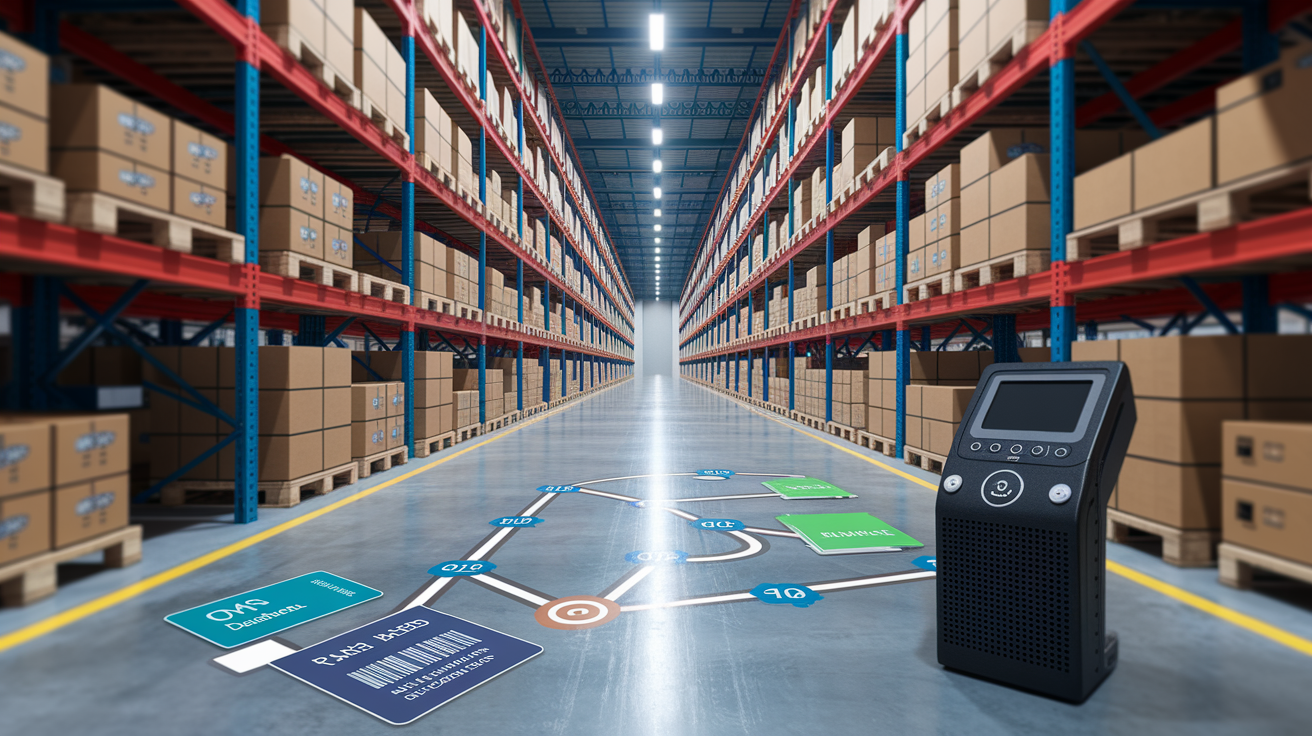
Fulfillment speed drives repeat purchases. Buyers who receive orders on time come back. Those who face delays switch suppliers. OMS platforms aggregate orders from web, mobile, phone, EDI, and marketplaces, check inventory across warehouses and 3PLs, route items to the optimal fulfillment location, and push tracking updates to buyers. That reduces split shipments, speeds delivery, and gives accurate visibility into stock.
Third-party logistics partners reduce capital spend and improve reach. Instead of building warehouses in six regions you work with a 3PL that has footprint, labor, and carrier relationships. During peaks the 3PL scales without you hiring temporary staff. The trade-off is less control over packing and exception handling, which is why successful operators invest in tight API integrations for real-time inventory, automated routing, and instant tracking.
Buyers expect consumer-level transparency: instant order confirmations, hourly tracking updates, and proactive delay alerts. Operators who meet those expectations see higher NPS and lower support volume because buyers rarely call asking where their order is. The technical enabler is an OMS or fulfillment platform that connects commerce, warehouse management, and carrier APIs into a single workflow and pushes status updates automatically.
Five logistics best practices
- Implement multi-DC inventory routing so orders ship from the closest warehouse.
- Sync inventory in real time so buyers see accurate stock and delivery estimates.
- Communicate delays proactively and offer alternatives to keep trust.
- Automate carrier selection so the OMS balances speed and cost per order.
- Integrate tracking into account dashboards so buyers don’t have to call support.
Data Governance, Security, and Compliance Trends in B2B Digital Commerce
B2B ecommerce holds sensitive data — contract pricing, purchase history, payment methods, account hierarchies — so security and compliance are mandatory. Targets include PCI DSS Level 1 for payments and ISO 27001 for information security. High availability matters too. Enterprise buyers expect 99.99 percent uptime. Companies that treat security and uptime as competitive advantages win deals. Those that suffer breaches or outages lose accounts fast.
Data governance turns product and customer data into an asset. Set a single source of truth for SKUs, pricing, and accounts. Define ownership and update workflows for each data type and run audits to flag incomplete or conflicting records. Poor governance creates pricing errors, duplicate SKUs, and personalization failures because downstream systems can’t work with messy input.
First-party behavioral data is especially valuable: click streams, search queries, cart abandonment, and repeat purchase patterns feed AI models for personalization, forecasting, and pricing. But only if the data is accurate, complete, and structured.
Analytics close the loop. Operators need real-time dashboards showing mobile conversion, cart abandonment by channel, search success rate, time-to-ship, and margin by segment. Instrument every major workflow with event tracking that feeds a centralized analytics platform and use those metrics to prioritize roadmap work and reduce friction.
Four governance and compliance priorities
- Achieve and maintain PCI DSS Level 1 and ISO 27001 certification and publish them to reassure enterprise buyers.
- Centralize first-party data in a CDP or analytics warehouse so personalization and forecasting use complete datasets.
- Define clear data ownership and update workflows to avoid conflicting information across channels.
- Build KPI dashboards with real-time metrics and use them to find friction and validate fixes.
Final Words
Buyers are already moving: mobile growth, AI recommendations, tighter personalization, omnichannel journeys, cleaner product data, headless stacks, marketplaces, dynamic pricing, and faster fulfillment all showed up in the post.
That matters because poor product data and mismatched content shave conversion and margin. Start small: audit your top 20 SKUs, test mobile checkout speed or a PWA, pilot AI recommendations, and map the 10+ channel touchpoints for key accounts.
These b2b ecommerce trends are actionable — pick a few wins and you’ll see revenue lift.
FAQ
Q: What are the latest trends in B2B e-commerce growth?
A: The latest trends in B2B e-commerce growth are digital-first sales (65% selling online), rapid mobile commerce expansion, AI-driven personalization, omnichannel 10+ channel buying, and cleaner product data to cut abandonment.
Q: What is the 95 5 rule for B2B and the 80 20 rule in ecommerce?
A: The 95/5 rule means 95% of revenue often comes from 5% of customers; the 80/20 rule means 80% of results come from 20% of inputs—both push you to prioritize top accounts, SKUs, and tail management.
Q: What is the rule of 7 in B2B?
A: The rule of 7 in B2B says buyers usually need about seven touches before buying; coordinate emails, ads, demos, and rep outreach to build familiarity and speed conversion.