


What if marketplaces could be fined 10% of global turnover for blocking refunds?
The UK’s 2024 consumer protection reforms, mainly the Digital Markets, Competition and Consumers Act, change how returns and refunds work on marketplaces.
They force platforms to verify sellers, display contact details, run real dispute channels, and speed up refunds.
Why it matters: buyers get faster, clearer refunds and platforms face real legal and reputational risk.
What to do next: audit seller onboarding, update listing and checkout disclosures, and fix your refund workflows before the CMA notices.
Overview of Key UK Consumer Protection Reforms Affecting Returns and Refunds

The UK rolled out major consumer protection reforms in 2024, mostly through the Digital Markets, Competition and Consumers Act (DMCC). It got Royal Assent in May. These changes recognize that most shopping happens online now, often through marketplaces where traditional enforcement couldn’t really touch platforms or sellers based overseas. The reforms fix transparency gaps, speed up getting money back, and put direct obligations on marketplace operators who used to just claim they were neutral middlemen.
The reforms sharpen enforcement tools under existing consumer law (the Consumer Rights Act 2015 and Consumer Contracts Regulations 2013) without rewriting the actual refund and return rights. They give regulators better weapons, tighten information requirements when you’re buying something, and create new ways to hold platforms accountable when sellers don’t meet their obligations. The Competition and Markets Authority (CMA) got administrative enforcement powers. They can issue fines and force changes without dragging everyone through court for years.
For digital and online marketplaces, the DMCC Act brings tougher due diligence requirements. Platforms have to verify who sellers actually are, display accurate contact details, make sure product descriptions match reality, and provide dispute channels that actually work. Platforms hosting misleading listings or blocking refunds can now face direct penalties. This is a real shift. Marketplace operators share responsibility for what happens to consumers, not just the sellers using their infrastructure.
Key practical changes consumers will see:
Fast resolution. Platforms must provide clear, working dispute and refund routes. Less time chasing sellers who ghost you.
Verified seller information. Marketplaces have to display and verify seller contact details. Fewer phantom sellers, easier enforcement.
Stronger penalties for breaking rules. CMA can impose fines up to 10% of global turnover for persistent violations. That gets attention.
Better product accuracy. Platforms bear responsibility for truthful listings. Fewer “not as described” returns.
How Refund and Return Rights Have Changed: Before and After Comparison

Before the 2024 reforms, the Consumer Rights Act 2015 and Consumer Contracts Regulations 2013 gave UK consumers statutory refund and return rights. But enforcement depended on individual consumers taking action or local Trading Standards dragging cases through court. Distance selling rules allowed a 14 day cooling off period for online purchases. Consumers had up to 30 days to reject faulty goods for a full refund. Thing is, clarity about who was actually responsible (marketplace or seller?) was often missing. Platforms rarely faced consequences when sellers disappeared or refused refunds.
The reforms don’t rewrite these core timelines. But they do impose new transparency, verification, and facilitation obligations on marketplaces. Platforms must now actively ensure sellers provide accurate pre purchase information, including who pays return postage and how to initiate a refund. The CMA’s expanded powers mean it can act quickly against platforms that allow misleading claims or obstruct the refund process. No more waiting for a pattern of individual court cases to pile up.
| Aspect | Before Reforms | After Reforms |
|---|---|---|
| Refund timelines | 14 days to cancel distance sale. Seller must refund within 14 days of receiving goods, but many sellers ignored deadlines | Same statutory windows, but platforms must ensure sellers comply. CMA can fine platforms directly for systematic non-compliance |
| Return conditions | Seller could specify who pays return postage. Consumers often unaware until dispute arose | Platforms must display return postage responsibility clearly at listing and checkout. Ambiguity shifts liability toward platform |
| Seller responsibilities | Business sellers bound by Consumer Rights Act. Enforcement via Trading Standards or individual court claims | Same legal duties, but platforms must verify seller status (business vs private) and block non-compliant sellers |
| Marketplace responsibilities | Platforms typically claimed neutral host status. Minimal obligation to police listings or assist disputes | Platforms must verify seller identity, ensure accurate product information, provide accessible dispute channels, and can be held liable for failures |
| Dispute handling | Consumer had to pursue seller directly. Platform involvement optional and inconsistent | Platforms must publish and maintain clear dispute and refund escalation processes. Failure attracts CMA enforcement |
The practical effect? Marketplaces can’t passively host sellers who routinely breach consumer law anymore. Platforms now have a legal incentive to police their own ecosystems. Makes refunds and returns faster and more reliable for buyers.
New Obligations for Online Marketplaces
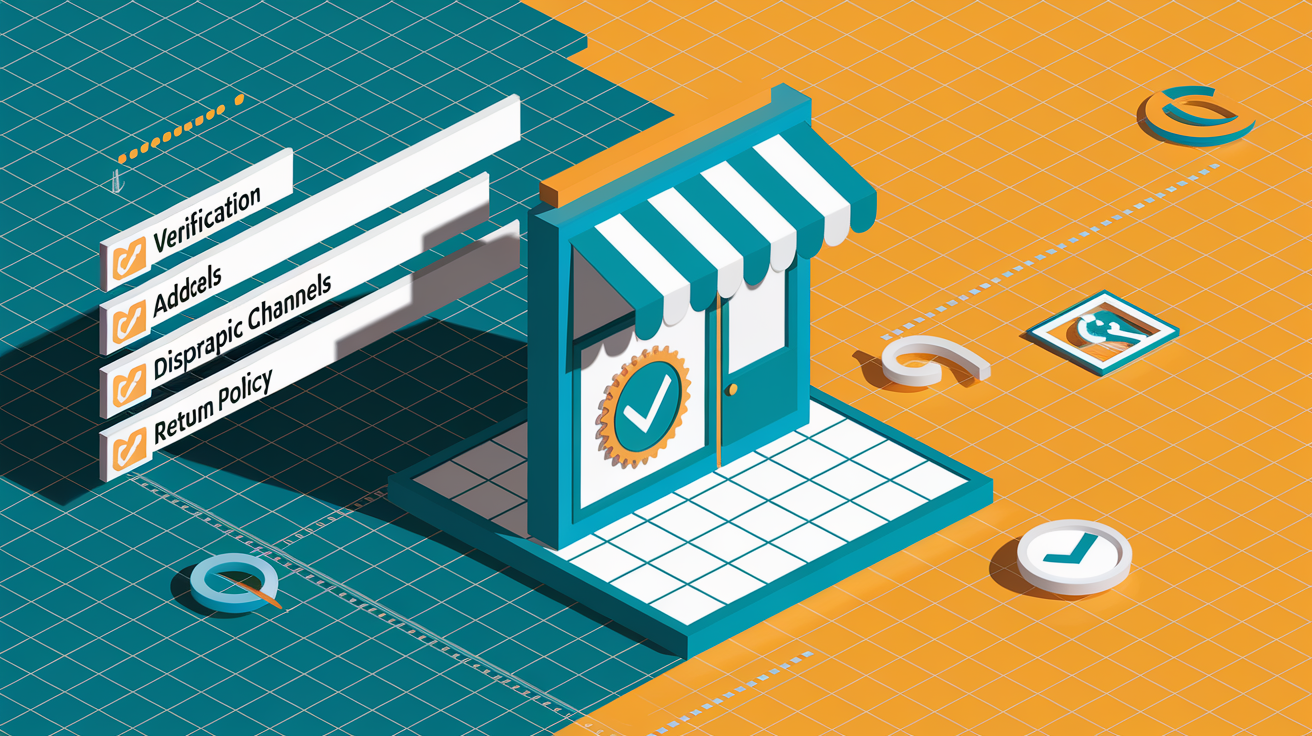
Online marketplaces operating in the UK must now verify and display key information about every seller. Legal name, geographic address, email, business registration details where applicable. This verification requirement applies at onboarding and must be refreshed periodically. Platforms are responsible for ensuring the information stays accurate. They must remove or suspend sellers who provide false or incomplete details. The goal is eliminating anonymous or untraceable sellers who collect payment and vanish, leaving consumers unable to enforce their refund rights.
Platforms are also required to implement and maintain accessible dispute resolution processes. This means publishing clear instructions for initiating a return or refund, escalating unresolved disputes, and providing contact details that actually work. When a consumer reports a seller who refuses a statutory refund, the platform must either facilitate the refund directly or demonstrate the seller has been held accountable. Platforms that obstruct or delay this process (by burying dispute forms, requiring excessive documentation, or failing to respond) can be targeted by CMA enforcement. The law recognizes that consumers often can’t distinguish between the marketplace and the seller. Platforms that profit from transactions share responsibility for ensuring those transactions meet legal standards.
The CMA now oversees marketplace compliance through proactive monitoring, formal investigations, and administrative penalties. Under the DMCC Act, the CMA can issue infringement notices, require platform wide policy changes, and impose fines reaching up to 10 percent of a company’s worldwide turnover for serious or repeated breaches. Enforcement no longer depends on individual consumers bringing claims or Trading Standards securing court orders. The CMA can act on patterns of harm it identifies through data analysis, consumer complaints, or sector reviews. Makes compliance a board level commercial risk rather than a theoretical legal obligation.
Enforcement Enhancements and CMA Powers

The CMA’s enforcement toolkit expanded significantly under the DMCC Act. Before 2024, the CMA could investigate anti competitive conduct and unfair commercial practices. But securing remedies required court proceedings that could stretch for years. Now the CMA holds administrative powers to issue binding decisions, impose financial penalties, and require businesses to change practices without needing a court judgment first. This shift mirrors regulatory models in sectors like financial services and data protection, where speed and deterrence matter more than protracted litigation.
Fines are calculated as a percentage of turnover. Up to 10 percent globally. Can be levied for failures including misleading consumers, obstructing refunds, failing to verify sellers, and publishing terms that contradict statutory rights. The CMA may also order a business to notify affected consumers, reimburse losses, or implement specific compliance measures such as staff training or system audits. Penalties are public. The CMA maintains a register of enforcement actions. Creates reputational as well as financial consequences.
For businesses and marketplaces, these changes mean consumer law compliance isn’t a back office legal question anymore. Boards and senior management must ensure policies, systems, and seller agreements align with the law. Customer service operations need to demonstrate compliance if the CMA opens an investigation. Firms relying on boilerplate terms drafted before 2024, or treating consumer complaints as low priority, face material risk. Legal teams should audit marketplace policies, refund workflows, and seller onboarding processes now. Not after the CMA opens a file.
Timelines and Implementation Milestones
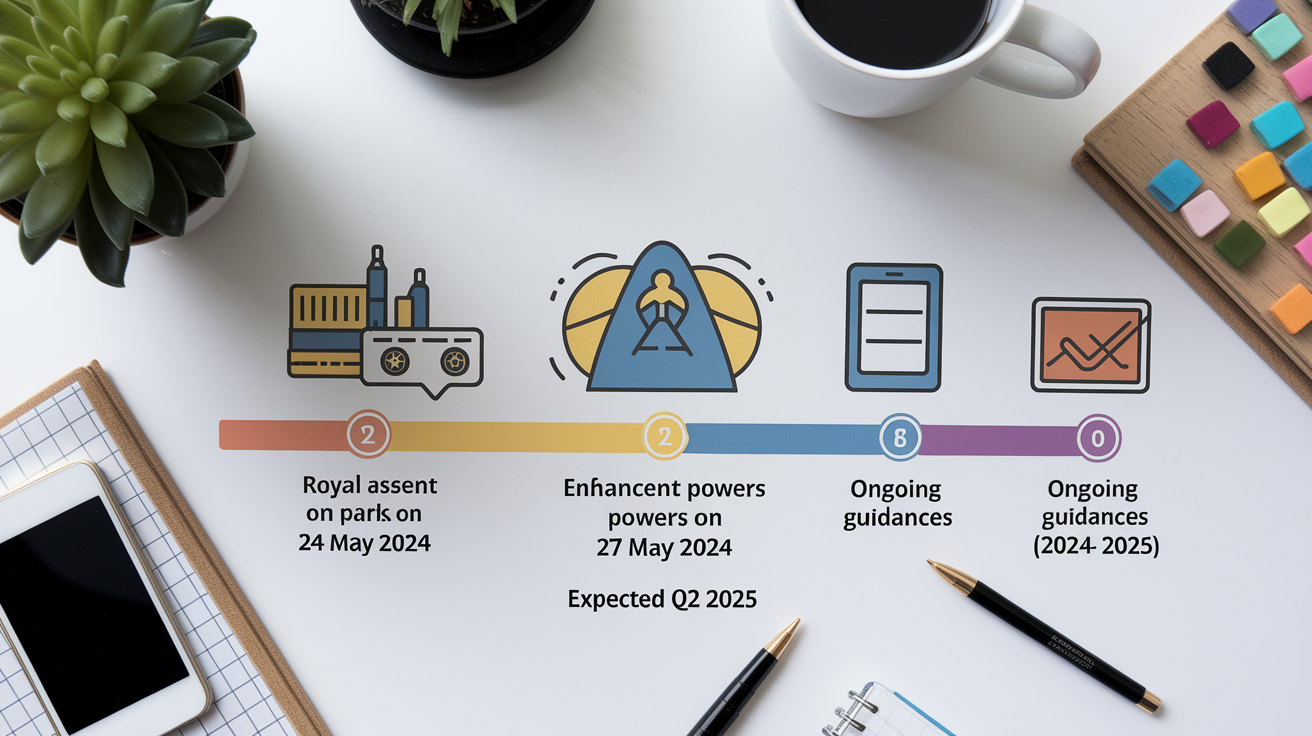
The Digital Markets, Competition and Consumers Act received Royal Assent on 24 May 2024. But its provisions came into force on different dates to give businesses time to adapt systems and processes.
6 April 2024: CMA’s new enforcement powers for consumer protection took effect, including the ability to impose financial penalties and issue administrative decisions without court proceedings.
27 May 2024: Enhanced information requirements for online marketplaces went live. Platforms must verify and display seller identity, contact details, and business status at the point of listing.
Ongoing (2024 to 2025): CMA guidance publications and consultation on specific enforcement priorities, including subscription practices, fake reviews, and refund obstruction. Marketplaces should monitor cma.gov.uk for sector specific updates.
Expected Q2 2025: Full commencement of subscription transparency obligations, including clearer cancellation routes and pre renewal reminders for auto renewing digital services.
Sellers and platforms should treat April 2024 as the hard compliance deadline for verification, dispute processes, and accurate listing information. The CMA has indicated it will prioritize enforcement in sectors with high complaint volumes. Online marketplaces, subscription services, second hand goods platforms. Early adoption reduces risk. Delayed compliance is now a measurable commercial and legal liability.
Compliance Guidance for Businesses and Marketplaces

Marketplaces must update terms and conditions to reflect new verification, transparency, and dispute facilitation duties. This includes publishing who pays return postage (and ensuring individual listings state this clearly), how consumers escalate disputes, and what information the platform holds about each seller. Legal review should confirm that no clauses restrict or obscure statutory refund rights. The platform’s own role in facilitating or blocking refunds needs to be clearly defined. Where a platform previously disclaimed responsibility for seller conduct, those disclaimers may now be unenforceable or attract CMA scrutiny.
Customer service and trust and safety teams need training on the reformed legal framework. Staff must understand the 14 day distance selling cancellation window, the 30 day faulty goods refund rule, and the 6 month presumption that faults existed at purchase. They should be able to distinguish statutory rights from goodwill policies, know when the platform must step in to facilitate a refund, and document disputes in ways that demonstrate compliance if the CMA requests evidence. Internal escalation procedures should be tested. Response times measured against the statutory 14 day refund processing rule.
Essential compliance steps:
Audit all marketplace listings to confirm seller verification (name, address, contact details, business registration status) is complete and displayed at point of sale.
Update checkout flows to show return postage responsibility, cancellation rights, and dispute escalation contact details before payment.
Implement automated refund timeline tracking to flag cases approaching the 14 day statutory window and escalate for manual review.
Require sellers to accept tracked returns or provide prepaid labels when the seller is liable for return costs under law.
Maintain audit trails (photos, tracking data, communications, timestamps) for every refund dispute. Archive these for at least two years to support CMA or small claims defenses.
Special Considerations for Digital Goods and Services

Digital content and services present distinct refund challenges. They’re delivered instantly, can’t be “returned” in the physical sense, and often involve ongoing access rather than a one time purchase. The Consumer Rights Act 2015 already requires digital content to match its description, be free from defects, and function as advertised. The DMCC reforms strengthen disclosure requirements around auto renewing subscriptions. Mandatory to send advance reminders before each renewal, provide one click cancellation routes, and clearly display the total cost and frequency of payments at sign up.
For distance sales of digital goods, the standard 14 day cancellation right applies. But it can be waived if the consumer expressly agrees to immediate performance and acknowledges the loss of the cancellation right. Platforms selling downloads, streaming access, or software must present this waiver clearly. Buried in lengthy terms won’t cut it. Consumers must actively confirm agreement, not simply proceed past a pre ticked box. If the waiver process is ambiguous or the consumer wasn’t informed, the 14 day right remains enforceable. The platform may have to refund in full even after the content was accessed.
Subscription services face additional scrutiny under the reforms. Businesses must send a reminder at least seven days before an auto renewal if the subscription costs more than a minimal threshold. The cancellation process must be as simple as the sign up process. Platforms that require a phone call to cancel but allow instant online sign up, or that bury cancellation buttons in account settings, risk CMA enforcement for creating unfair barriers. The practical standard is symmetry. If a consumer can subscribe in two clicks, they must be able to cancel in two clicks.
Final Words
These reforms put marketplaces on the hook: faster refunds, clearer seller info, and stronger CMA teeth. That matters because consumers will expect speed and accuracy, and platforms that don’t comply face fines and reputational risk.
Do these three things now: update T&Cs and refund flows, verify your top sellers, and train customer service to speed refunds. Track the DMCC implementation dates and run one compliance check within 30 days.
Focus on how UK consumer protection reforms change marketplace returns and refund policies so you’re ready and able to keep sales moving.
FAQ
Q: What does the consumer protection act say about refunds?
A: The Consumer Protection Act doesn’t set refund rules. Refund rights come from the Consumer Rights Act 2015 and Consumer Contracts Regulations, which require refunds for faulty goods and distance-sale cancellations.
Q: What is the return refund law in the UK?
A: The return refund law in the UK is mainly the Consumer Rights Act 2015 and the Consumer Contracts Regulations; 30-day rejection rights apply for faulty goods and a 14-day cooling-off period for online purchases.
Q: Can shops refuse to give you a refund in the UK?
A: Shops can refuse refunds if goods aren’t faulty and the store policy excludes refunds, but they must refund faulty, misdescribed, or undelivered items under statutory consumer rights.
Q: Is it illegal to have a 14-day return policy?
A: It isn’t illegal to have a 14-day return policy; 14 days is the legal minimum for distance sales under the Consumer Contracts Regulations, and sellers may offer longer return windows.