


Amazon just shifted the cost of returns onto sellers — and it matters.
On January 1, 2026, Amazon changed return eligibility, reimbursement math, and inspection windows, tightening SAFE‑T claims and speeding refunds to buyers.
That means higher financial exposure, faster deadlines, and fewer chances to inspect returns — FBA sellers first in line.
Thesis: unless you update return workflows, keep SKU cost records, and tighten inspection and appeal steps, you’ll see lower reimbursements and more inventory losses.
This post shows the exact rules and the quick fixes that protect margin.
Amazon’s 2026 Return and Reimbursement Policy Changes (At a Glance)

Amazon just dropped sweeping changes to return eligibility, reimbursement formulas, and what they expect from sellers. Everything kicked off January 1, 2026, with more updates rolling through Q2. The new rules make SAFE‑T claims harder to file, shift reimbursement calculations toward recent velocity and actual selling price instead of historical peaks, and tighten condition checks for high‑value and high‑abuse categories. FBA and FBM sellers both get hit, but FBA operators feel it most through revised inventory rules and faster refund cycles that shrink your inspection window.
Reimbursement rates now factor in depreciation and velocity caps. Translation: lost or damaged inventory might net you way less than replacement cost, especially for slow movers or apparel. Return windows got standardized across most categories. Some stretched longer to cut down A‑to‑Z claims, others shortened to fight fraud in electronics and consumables. Amazon also rolled out automated fraud checks that verify return condition before issuing refunds, except the buyer usually gets their money back first. You’re left filing claims after the fact.
The combined effect? More admin work, tighter deadlines, bigger financial exposure if you don’t have solid documentation and SKU cost tracking. Sellers now need to update return workflows to hit new 4‑day processing windows and claim deadlines, keep SKU‑level sourcing records and photos for every outbound shipment, reconfigure restock and removal automation for revised FBA rules, monitor reimbursement outcomes and appeal underpayments fast, and get ready for mandatory Amazon Prepaid Return Labels starting February 8, 2026, for all US seller‑fulfilled orders.
Updated 2026 Return Window Rules and Buyer Eligibility
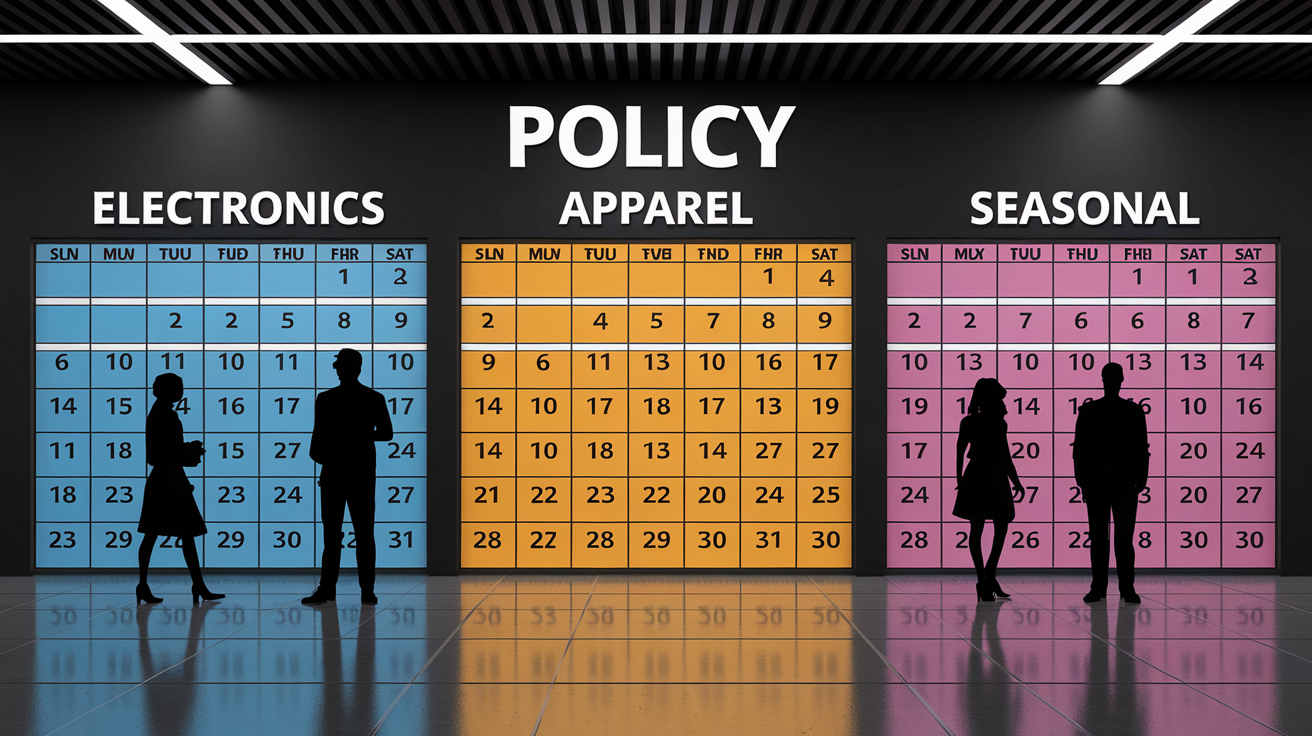
Amazon standardized return windows across product categories in 2026, extending some to cut dispute volume and shortening others where abuse rates spiked. Electronics and accessories now get a uniform 30‑day return window, down from the old 90‑day allowance in many subcategories. Apparel and footwear stay at 30 days, but Amazon added condition checks that flag returns missing original tags or showing wear beyond normal trial use.
Seasonal products like holiday decor, costumes, and gift items? They got a return window bump to 60 days when purchased during peak promo periods between October and December. This cuts down on A‑to‑Z claims from buyers who get gifts late or find defects after the holiday. Consumables, including beauty and personal care items opened by the buyer, can’t be returned unless they’re defective. That shift protects sellers from serial returners who used products fully before asking for refunds. Oversized goods like furniture and large appliances keep the standard 30‑day window but now require buyers to submit damage photos within 7 days of delivery to qualify for return authorization.
High‑value items above $500 used to trigger an extra pre‑refund review before Amazon issued buyer refunds. That safeguard disappeared in January 2026. Now refunds for expensive returns process at the same speed as cheaper items, often before you inspect the returned product. Updated category return windows are electronics and accessories at 30 days (down from 90 for many items), apparel and footwear at 30 days with new tag and wear checks, seasonal products at 60 days for October through December purchases, consumables marked ineligible unless defective, oversized goods at 30 days with mandatory damage photos within 7 days, and high‑value items over $500 no longer getting pre‑refund review and processed as standard returns.
2026 Reimbursement Formula Updates for FBA Sellers

Amazon switched its FBA reimbursement method in March 2025, moving from selling price calculations to sourcing cost valuations. In 2026, the formula got refined again to factor in recent sales velocity and actual average selling price over the trailing 90 days. That reduces reliance on historical high marks that might not reflect current market value anymore. You can submit your own SKU‑level sourcing cost data to support claims, but without documented invoices Amazon applies its own cost estimates. And those are frequently below replacement or retail value.
Depreciation factors now hit inventory older than 180 days in FBA warehouses. Items aged 181 to 365 days get a 15 percent cut in reimbursement value. Items older than 365 days? They’re looking at a 30 percent reduction. Multi‑component products like bundled kits, apparel with accessories, or sets get reimbursed at the component level unless you provide a bill of materials showing aggregate cost. That’s a documentation burden many apparel sellers can’t meet at scale. Velocity caps mean slow‑moving SKUs get reimbursed at the lower of sourcing cost or trailing 90‑day average selling price, whichever hurts more.
The updated formula hits hard on high‑ticket items and seasonal inventory. A collectible item you bought for $200 and listed at $500 might get reimbursed at $200 if you provide an invoice, or at Amazon’s estimated cost (often lower) if you don’t submit documentation. Apparel sellers report reimbursements “way less than 50 percent” of retail value when Amazon applies its own estimates, especially for items with multiple SKUs like different sizes or colors where sourcing records aren’t complete.
| Item Type | 2025 Formula Basis | 2026 Formula Basis | Estimated Impact |
|---|---|---|---|
| Standard single SKU | Selling price (recent high) | Sourcing cost or 90‑day avg. selling price | 10–30% lower reimbursement without invoice |
| Multi‑component bundle | Bundle selling price | Component‑level cost or estimate | 20–40% lower without detailed BOM |
| Aged inventory (>180 days) | No age penalty | 15–30% depreciation applied | Significant hit on slow movers |
| High‑value (>$500) | Selling price with review delay | Sourcing cost; no review delay | Faster refund to buyer, lower reimbursement to seller |
Changes to Return Eligibility, Condition Guidelines, and High‑Abuse Protection

Amazon launched automated condition checks in 2026 that scan return images and carrier data to flag discrepancies before approving refunds. Electronics returns now need photographic proof that serial numbers match the original shipment, and luxury goods like watches, jewelry, and designer apparel require third‑party authentication or Amazon’s own verification before refunds finalize. Consumables that have been opened or partially used get automatically rejected unless the buyer provides evidence of a manufacturing defect like contamination or incorrect formulation.
High‑abuse categories (consumer electronics, musical instruments, premium footwear) now trigger extra verification when a buyer’s return rate exceeds a rolling 12‑month threshold. Amazon hasn’t published the exact threshold, but sellers notice increased scrutiny on accounts with return rates above 8 percent in these categories. The verification process cross‑references product images at shipment and return, compares weights recorded at FBA inbound and return receipt, and flags accounts that submit repeat claims for the same defect type.
Fraud prevention got expanded in 2026 with automated checks that reduce seller exposure but often happen after the buyer’s already been refunded. New measures include serial number and IMEI matching for electronics and accessories, weight variance alerts when returned packages differ by more than 10 percent from original shipment weight, image recognition scans that compare outbound and inbound product photos to detect swaps or damage, and buyer account flagging for repeat high‑value returns or accounts with return rates above category thresholds.
2026 FBA Inventory Handling and Disposition Policy Updates

Amazon cut seller storage planning allowances from six months of forecasted sales to five months in mid‑2025. In 2026 they introduced automated removal triggers for inventory that stays unsold beyond velocity thresholds. Items that don’t sell at least one unit per 90 days now get flagged for automated removal or liquidation unless you opt into long‑term storage fees, which increased to offset warehousing costs. Returned items get graded using updated condition criteria that more frequently classify products as “unsellable” rather than “sellable,” pushing more returns into liquidation channels or disposal instead of back into active inventory.
Certain categories (consumables, hazmat‑adjacent items, oversized goods) are now subject to mandatory liquidation or disposal after return. No option to return items to you. Amazon sends these products directly to liquidation partners or schedules destruction, issuing a reimbursement (if eligible) based on the sourcing cost formula. This means sellers in affected categories lose the ability to inspect, refurbish, or resell returned units. That cuts recovery options and increases effective per‑return losses.
Restock limits tightened for sellers with high return rates or low inventory performance index scores. Accounts with IPI below 450 now face additional inbound quantity caps during peak seasons like Prime Day and Q4. Returned inventory that’s regraded as unsellable counts against those caps, squeezing available capacity. You need to plan reserve inventory outside FBA to avoid stockouts when returns spike or when Amazon enforces disposal rather than return‑to‑seller for damaged goods.
2026 SAFE‑T Claim Procedure Changes and Timelines

Amazon shortened the SAFE‑T claim filing window in 2026 from 60 days to 45 days after the refund or inventory adjustment shows up in your account. Claims now need carrier tracking scans, timestamped photos of the product at shipment and at return receipt, and SKU‑level sourcing cost documentation. Amazon’s case review teams standardized response times to 10 business days for initial decisions, with appeals allowed within 15 days of the initial decision.
Sellers report SAFE‑T reimbursement outcomes got less favorable under the new documentation requirements. Claims without photographic evidence or detailed invoices frequently get reimbursed at rates “way less than 50 percent” of item value, and only “extreme damage” cases warrant 50 percent reimbursement according to updated internal guidelines. Shorter filing windows plus stricter evidence standards mean you need real‑time documentation workflows to preserve reimbursement eligibility.
Updated SAFE‑T claim process works like this. File the claim within 45 days of the refund or inventory discrepancy appearing in your account. Attach carrier tracking with all scans, pre‑shipment photos showing condition and serial numbers, and return receipt photos documenting damage or discrepancies. Submit SKU‑level sourcing cost invoices or accept Amazon’s cost estimate (typically lower). Monitor case status and respond to any information requests within 5 business days to avoid automatic denial. If denied, file an appeal with additional evidence within 15 days.
Comparison of 2025 vs. 2026 Return and Reimbursement Rules
The shift from 2025 to 2026 brings tighter timelines, stricter documentation, and reduced reimbursement values across multiple policy areas. Sellers who operated successfully under 2025 rules now need to invest in more rigorous record keeping and faster internal workflows to preserve profitability and reimbursement eligibility.
| Policy Area | 2025 Rule | 2026 Rule | Impact on Sellers |
|---|---|---|---|
| Reimbursement basis | Selling price (recent high) | Sourcing cost or 90‑day avg. price | 10–40% lower reimbursement without invoices |
| SAFE‑T claim window | 60 days | 45 days | Compressed timeline increases risk of missed claims |
| High‑value return review | Pre‑refund review for items >$500 | No review; refunds issued immediately | Increased fraud exposure; refunds before inspection |
| Return processing time (FBM) | 2 days | 4 days | Slightly longer window to inspect and process |
| APRL (prepaid labels) | Optional for many categories | Mandatory for all US sellers (Feb 8, 2026) | Reduced seller control over carriers and costs |
Financial Examples: How the 2026 Rules Affect Seller Profitability

A seller of premium headphones priced at $350 experiences a lost inventory incident in February 2026. Under 2025 rules, the reimbursement would’ve been calculated at the recent selling price of $350. Under 2026 rules, Amazon requests sourcing cost documentation. The seller’s invoice shows a landed cost of $180 per unit. Amazon reimburses $180. That’s a $170 gap between reimbursement and replacement cost at current wholesale rates, which have climbed to $210. The seller nets a $30 loss per unit even after reimbursement, and the lost sale opportunity costs an additional $140 in margin. Without the invoice, Amazon’s cost estimate would’ve been around $140, widening the loss to $70 per unit after reimbursement.
An apparel seller ships a bundled outfit (jacket, pants, belt) with a retail price of $420 and a total sourcing cost of $160. A return gets filed, and the package arrives damaged and missing the belt. The seller files a SAFE‑T claim but doesn’t provide a component‑level bill of materials. Amazon applies its own estimate and reimburses $95, citing the jacket and pants components only and applying a 30 percent “partial return” deduction. The seller absorbs a $65 loss on sourcing cost alone, plus the full $420 in lost revenue. Had the seller submitted a detailed BOM and photos showing all three components at shipment, the reimbursement would’ve been closer to $160, cutting the net loss to the margin on the sale rather than a below‑cost reimbursement.
Compliance Tasks and Required Seller Actions for 2026

You need to update standard operating procedures to capture SKU‑level sourcing cost at the time of purchase, photograph every outbound shipment before it leaves the warehouse, and configure return processing workflows to inspect and document returned items within the new 4‑day FBM processing window. Return settings in Seller Central should be reviewed SKU by SKU to make sure high‑value items and high‑abuse categories have appropriate restocking fees enabled and that condition guidelines are clearly communicated in product listings to reduce “not as described” disputes.
Reimbursement auditing needs to shift from monthly or quarterly reconciliation to weekly or real‑time monitoring. Automated tools that compare FBA inventory reports against reimbursement ledgers help identify discrepancies within the 45‑day SAFE‑T claim window. Documentation storage protocols should centralize purchase invoices, carrier tracking exports, and pre‑shipment photos in a single system accessible to the team filing claims, so evidence can be retrieved and submitted within the compressed timelines.
Essential compliance tasks are implementing SKU‑level cost tracking and maintaining digital copies of all supplier invoices, photographing every high‑value (over $250) and high‑abuse category item before shipment with serial numbers or unique identifiers visible, updating return processing SOPs to complete inspection, documentation, and refund actions within 4 days for FBM orders, scheduling weekly reimbursement reconciliation to identify lost or damaged inventory within the 45‑day claim window, and reviewing and adjusting restocking fee settings and return eligibility rules for each SKU based on updated 2026 category guidelines.
Recommended Strategies for Minimizing Losses Under the 2026 Rules

Segment SKUs into tiers based on return risk, value, and reimbursement exposure. High‑value items (over $250), multi‑component bundles, and categories with elevated fraud rates should get enhanced documentation workflows like serial number logging, pre‑shipment video, and dedicated inspection upon return. Low‑risk, low‑margin items can follow streamlined processes to avoid over‑investing in documentation that yields minimal reimbursement recovery.
Deploy automated reconciliation tools that ingest FBA inventory adjustments, return reports, and reimbursement ledgers daily. These tools flag discrepancies in real time and generate draft SAFE‑T claims pre‑populated with SKU cost data and tracking references, cutting manual workload and making sure claims get filed within the 45‑day window. Condition verification workflows should include weight checks and image comparison at return receipt to detect swaps or missing components before the SAFE‑T deadline passes.
Improve buyer communication and listing accuracy to reduce “not as described” returns, which are the hardest to contest and the least likely to qualify for reimbursement. Clear product descriptions, accurate sizing charts, high‑resolution images from multiple angles, and proactive post‑purchase messaging (tracking updates, care instructions) lower return rates and shift the burden of proof toward the buyer when disputes come up. Sellers who tighten pre‑sale content and packaging standards report measurably lower return rates and higher reimbursement approval rates when claims are necessary.
Final Words
The new rules land fast: tightened return windows, revised FBA reimbursement formulas, stricter condition checks, and shorter SAFE‑T deadlines. You saw the dates, category impacts, formula updates, claim steps, and required compliance tasks above.
Act now: audit your top 20 SKUs for velocity and value, update SAFE‑T docs and return SOPs, and run a quick reimbursement reconciliation. These 2026 Amazon return and reimbursement policy changes for sellers are manageable if you prepare—small fixes now save margin later.
FAQ
Q: What is Amazon’s return policy in 2026? Did Amazon change their return refund policy?
A: Amazon’s 2026 return and refund policy standardized return windows, added stricter eligibility and verification for high‑value returns, and revised FBA reimbursement formulas; many changes started Jan 1, 2026. Review SKU rules and update SOPs.
Q: How much are people getting from Amazon settlement?
A: Settlement payouts from Amazon vary by case; individual amounts depend on claim category, proof, and total fund. Check the official settlement page and file before the deadline to see your specific payment.
Q: Does Amazon stop you from making too many returns?
A: Amazon can block or limit accounts that make excessive returns, apply warnings, or require extra verification; thresholds aren’t public. Avoid return abuse, document legitimate returns, and contact support if wrongly flagged.