


What if the platforms that set your fees and control the Buy Box were legally barred from favoring their own services?
That’s where regulators are heading — the FTC and 17 state attorneys general filed a complaint, and Congress is considering bills to ban self-preferencing (favoring a platform’s own services) and anti-discounting rules.
If those actions stick, expect fees to shift, fulfillment to be unbundled from ranking and Prime perks, and price-parity bans to reshape who gets seen.
Start by auditing margins on your top SKUs, testing alternative fulfillment, and planning for Buy Box and ad-spend changes.
Immediate Implications of Proposed Antitrust Actions on Marketplace Fees and Ranking Systems

On September 27, 2023, the Federal Trade Commission and 17 state attorneys general filed a complaint against a major online marketplace. The allegations center on two things that hit sellers where it hurts: anti-discounting rules that punish you for offering better prices elsewhere, and pressure to use the platform’s fulfillment service if you want decent search rankings and Prime eligibility.
The complaint says the platform controls over 60 percent of the “online superstore” market and handles more than 66 percent of online marketplace sales from the last five years. If you’re selling on this platform, you already know what happens when you try to undercut your own listing on a competing site. You get kicked out of the Buy Box, that prominent “Add to Cart” button that drives most sales on any given listing. Lose that placement and your revenue tanks.
Prime eligibility works the same way. Want that badge? You’ve got to use the platform’s fulfillment. No exceptions. That ties your logistics spend directly to whether shoppers can even find your product. Regulators are calling this coercion, and they’re targeting the mechanisms that push your costs up while locking you into a single ecosystem.
If regulators win, you could see changes fast. Both to what you’re paying and how visible your products actually are.
Congressional proposals, especially the American Innovation and Choice Online Act, would ban self-preferencing outright. That means no more Prime-tied perks like free two-day shipping reserved only for sellers using the platform’s warehouses. Doesn’t matter what a judge says. The law would just kill the practice.
Put enforcement and legislation together, and here’s what’s likely coming:
Unbundling of fulfillment and ranking: Platforms might have to stop giving ranking boosts to sellers who use in-platform fulfillment. Buy Box wins wouldn’t depend on FBA enrollment anymore.
Fee transparency and restructuring: Regulators could force platforms to break down every fee and let you opt out of bundled services without getting penalized in search.
Price parity prohibitions: Anti-discounting policies that stop you from charging less on other channels would be banned. You’d finally be able to compete on price across multiple marketplaces.
Data access mandates: You’d get access to the data your business generates on the platform. Purchase histories, search behavior, interaction metrics. Stuff that’s locked up right now but could let you market directly to customers.
Alternative payment and app store options: For digital sellers and app developers, the Open App Markets Act would let you use different payment processors and third-party app stores. That 30 percent commission? Gone, or at least negotiable.
Overview of Current Antitrust Proposals Targeting Large Online Marketplaces
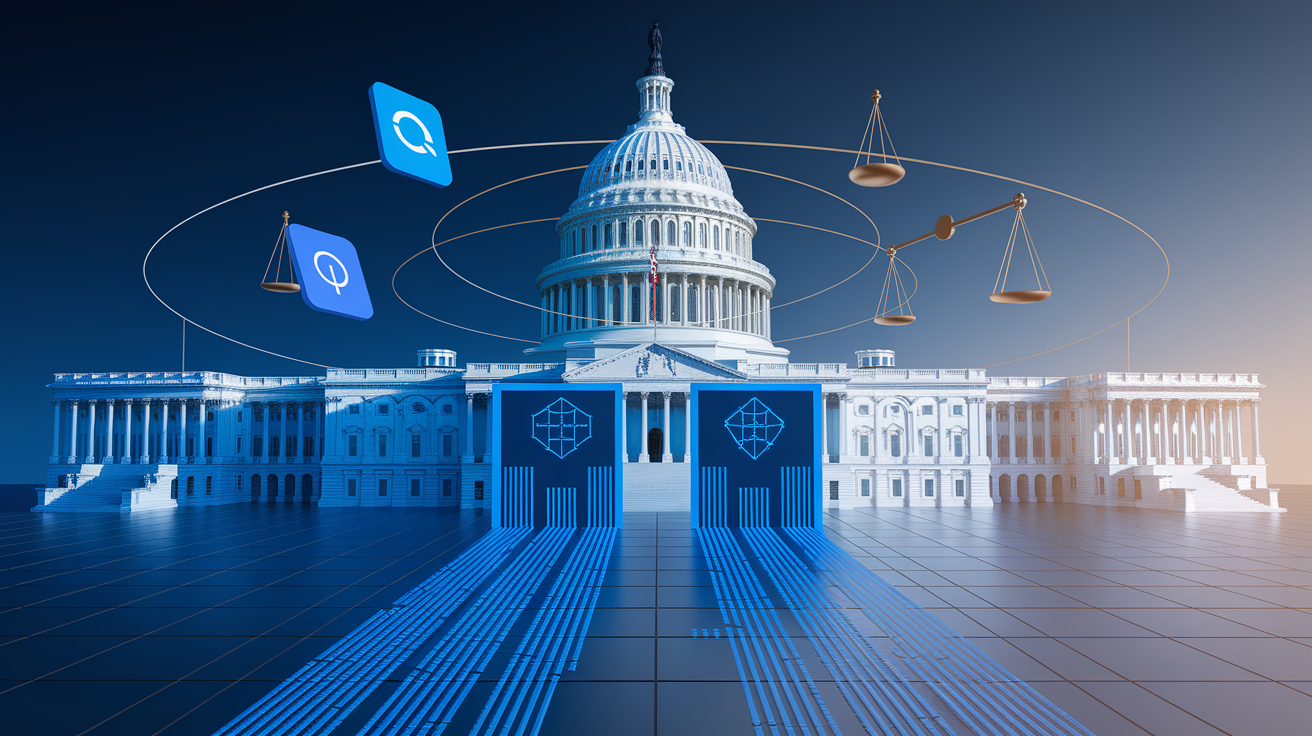
Two bipartisan Senate bills made it through the Senate Judiciary Committee in early 2022. They’re the most concrete threat to how marketplaces operate today. The American Innovation and Choice Online Act (S.2992) applies to platforms that hit specific numbers: more than 50 million monthly active U.S. users or over 1 billion worldwide, more than 100,000 active U.S. business users, and net annual sales or market cap above 550 billion dollars.
A manager’s amendment dropped in late May 2022. The executive summary came out June 7, signaling Senate leaders wanted a floor vote that summer. The bill bans self-preferencing and pay-to-play deals. It also requires platforms to give business users access to data their activities generate. One catch though. There’s no private right of action. If you get hurt, you can’t sue directly. You have to convince the DOJ, FTC, or a state attorney general to take up your case.
The Open App Markets Act (S.2710) targets app stores with more than 50 million U.S. users and does include a limited private right of action for developers. That makes direct litigation over store practices way more likely. The bill forces platforms to allow alternative payment options, third-party app installs, and developer comms about buying off-platform. It’s a direct challenge to the restrictions at the center of Epic Games v. Apple.
A district court ruling in that case came down September 10, 2021. Appeals are still grinding on. The stakes? Apple’s standard 30 percent cut on in-app transactions, which drops to 15 percent for subscriptions after a year. App Store revenue hit 14.2 billion dollars in Q3 2019. Google Play pulled 7.7 billion in the same quarter.
Beyond legislation, the September 2023 FTC complaint leans on Section 2 Sherman Act monopolization claims. To win, plaintiffs have to prove the platform has monopoly power in a relevant market and used exclusionary conduct to get it or keep it. The defendant argues that when you count all retail substitutes, its share is 37.6 percent of online retail and just 3.5 percent of total U.S. retail sales.
Courts will decide if the alleged anti-discounting and fulfillment coercion count as exclusionary conduct or just normal competition. They’ll also weigh whether any anticompetitive effects get outweighed by things like lower consumer prices or better service.
How Marketplace Seller Fees Work Today

Seller fees today are layered. You’ve got fixed-percentage referral fees, variable fulfillment and storage charges, optional advertising costs, and service fees for things like brand registry or enhanced content.
Referral fees are a percentage of each sale and vary by category. Electronics might be 8 percent. Apparel can hit 17 percent. These fees come out of gross sale price, including whatever shipping you charge the buyer. They’re non-negotiable for almost everyone.
On top of referral fees, if you use the platform’s fulfillment you’re paying per-unit pick and pack, weight-based shipping, and monthly storage fees that go up for aged or oversized items. The FTC complaint cites analysis showing the platform “pockets a 34 percent cut of the revenue earned by independent sellers on its site.” That’s up from 30 percent in 2018 and 19 percent in 2014.
Advertising isn’t optional anymore. It’s the cost of being seen. Sellers bid on sponsored product placements at the top of search results and on competitor pages. Average cost per click varies, but many sellers say ad spend now runs 10 to 15 percent of sales. Stack that on referral and fulfillment fees and you’re looking at an all-in cost of 40 to 50 percent if you’re using platform fulfillment and advertising. That crushes margins and pushes prices up.
Storage fees add another variable, especially if inventory moves slow. Standard size items cost about 0.75 dollars per cubic foot monthly from January through September, jumping to 2.40 dollars October through December. Long-term storage fees kick in after 365 days at 6.90 dollars per cubic foot or 0.15 dollars per unit, whichever is higher.
Here’s a breakdown of typical current fees:
| Fee Type | Current Typical Range | Notes |
|---|---|---|
| Referral Fee | 8–17% of sale price | Varies by category; applied to total including shipping |
| FBA Pick & Pack | $2.50–$5.00 per unit | Depends on size tier and weight |
| Monthly Storage | $0.75–$2.40 per cu ft | Higher October–December; long-term storage fees apply after 365 days |
| Advertising (CPC) | 10–15% of revenue | Effective spend to maintain visibility in competitive categories |
| Subscription / Tools | $39.99/month + optional | Professional seller account; brand registry and other tools may add cost |
How Algorithmic Ranking Functions in Major Marketplaces

Marketplace search algorithms decide which products show up at the top of results and which seller wins the Buy Box when multiple sellers list the same item. Main ranking factors: price competitiveness, fulfillment method, conversion rate, seller performance metrics, and paid ads.
Price is direct. Lower priced listings rank higher, everything else being equal, because the algorithm optimizes for relevance and likelihood of purchase. But price alone doesn’t determine visibility. A product fulfilled through the platform’s service, carrying a Prime badge, gets a big ranking boost. Especially when shoppers filter for Prime only, which a huge chunk of users do.
Conversion rate creates a feedback loop. Products with high click to purchase ratios climb in organic search. Low conversion gets you demoted. This turns into a cycle: listings that get early visibility pull more impressions, which generate more conversions, which push ranking higher. Lose Buy Box placement or get demoted because your price is lower somewhere else? Your impressions and sales velocity crash. Hard to recover from that.
Seller performance metrics also matter. Order defect rate, late shipment rate, cancellation rate. Fall below the thresholds and you can get suspended or delisted.
Advertising adds a paid layer on top. Sponsored product ads grab the top slots in search and appear on competitor listings. It’s an auction model. You bid per click. Higher bids plus strong conversion win better placements. In competitive categories, maintaining organic ranking without ad spend is basically impossible now. Advertising stopped being optional. It’s a cost of doing business.
The mix of organic ranking and paid placement means even sellers with great reviews and competitive prices need significant ad budgets to stay visible. Regulators call this pay-to-play and label it exclusionary conduct.
Potential Changes to Seller Fees Under Antitrust Regulation

If regulators ban self-preferencing and tying, marketplaces will need to restructure fees and unbundle services that are tied to ranking right now.
One likely outcome: separation of fulfillment from ranking. Platforms might have to give comparable visibility to sellers using third-party logistics. No more Buy Box and Prime badge advantages reserved for in-platform fulfillment. You’d be able to shop around for logistics costs, negotiate with warehouses and carriers directly. Could lower your per-unit fulfillment expenses if you can get better rates outside.
Platforms might respond by raising explicit commission rates or adding new service fees to replace revenue lost from reduced fulfillment and ad uptake.
Another change: transparency and itemization. Regulators could force platforms to disclose full cost breakdowns and let you opt out of specific services without penalty. Maybe you skip brand registry tools, enhanced content features, or premium support that’s bundled into subscription tiers now. You’d pay only for core marketplace access and transaction processing.
Courts or agencies might also kill pricing parity clauses. That means platforms couldn’t penalize you for offering lower prices on competing marketplaces or direct channels. You’d get your ability back to test multichannel pricing, which increases competition among marketplaces and puts downward pressure on seller costs.
Four specific fee changes likely if proposed regulations pass:
Unbundling of fulfillment and ranking: You can use third-party logistics without losing Buy Box or search ranking, cutting required spend on platform fulfillment.
Prohibition of advertising linked ranking boosts: Platforms might have to rank products on relevance and performance alone, no ad spend factored in. Lowers the effective cost of visibility.
Transparent fee itemization: Mandated disclosure of each fee component and the ability to decline optional services. Clearer cost control, fewer hidden charges.
Elimination of price parity enforcement: You can offer lower prices on other platforms or your own site without getting delisted or penalized in search. More pricing flexibility and competitive options.
How Ranking Algorithms May Shift Under Regulatory Pressure

Actions targeting self-preferencing will force platforms to revise ranking algorithms. They’ll need to remove or reduce signals that favor platform-owned products, in-house services, or sellers who buy bundled offerings.
The American Innovation and Choice Online Act explicitly bans using ranking, search, or design to favor your own products over competitors. The Open App Markets Act targets in-search preferencing in app stores. First-party products would have to compete on the same ranking criteria as independent sellers. No algorithmic advantages. Platforms also couldn’t condition favorable placement on buying advertising, fulfillment, or other services. That fundamentally changes the relationship between paid services and organic visibility.
Enforcement agencies will likely require more transparency in ranking decisions. Maybe published guidelines, maybe regular audits and reporting. The DOJ and FTC have been directed under proposed bills to issue enforcement guidelines that’ll shape how algorithm and fee rules get interpreted. This could include disclosing the relative weight of factors like price, conversion rate, reviews, and fulfillment method. Lets sellers and regulators spot when platforms sneak preferential treatment back in under different labels.
More transparency also enables third-party audits and investigative reporting. Raises the reputational and legal cost of non-compliance.
A shift from opaque composite ranking scores to clearer, factor-based models would cut the pay-to-play dynamic dominating many categories. Sellers who invest in product quality, customer service, and competitive pricing would see better organic discoverability without matching the ad budgets of bigger competitors.
But the transition will be messy. Platforms will redesign ranking systems, update seller dashboards, recalibrate machine learning models. Temporary volatility in product visibility is guaranteed. Sellers who benefited from preferential placement tied to platform inventory or high ad spend might see ranking drops. Sellers who competed on merit might suddenly climb.
Long term, it should level the playing field. Short term, you’ll need to monitor performance closely and adapt listing strategies as platforms roll out compliance changes.
Legal Expert Commentary on Antitrust Trends

Legal analysts tracking the FTC complaint and congressional proposals point to two core theories: dominant platforms use their control of marketplace infrastructure to extract rents from sellers, and these practices harm competition by blocking rival marketplaces from reaching scale.
Section 2 of the Sherman Act requires proving both monopoly power and exclusionary conduct. That’s a high bar. But the combination of market share data (over 60 percent control in the “online superstore” market) and specific allegations of coercive practices gives plaintiffs a real shot.
Courts will dig into whether the alleged conduct, like Buy Box delisting for lower off-platform prices, goes beyond legitimate business reasons. They’ll ask if alternative explanations like fraud prevention or quality control actually account for the practices.
Experts also highlight the difference between the American Innovation and Choice Online Act’s enforcement structure and the Open App Markets Act’s private right of action. The marketplace bill doesn’t let you sue directly. Enforcement depends on government agencies’ willingness and capacity to bring cases. That could slow litigation and let platforms negotiate compliance with regulators.
The app store bill opens the door to direct lawsuits from developers over ranking and payment restrictions. More litigation risk. Probably faster changes to app store practices.
A third legal focus: affirmative defenses built into the bills. Platforms can take actions necessary for user privacy, safety, or security even if they hurt competition. The manager’s amendment changed the standard from “narrowly tailored” to “reasonably tailored” and dropped the word “pre-textual.” Lowers the friction around security claims.
This gives platforms room to argue certain restrictions (app review processes, limits on data sharing) are justified by fraud prevention or cybersecurity. Courts and agencies will likely demand evidence these defenses are applied consistently, not used selectively to hurt competitors. The bills also exclude foreign adversaries from business user protections, narrowing who can claim antitrust injury.
International Case Comparisons and Lessons for US Sellers

The European Union’s Digital Markets Act (DMA) and Digital Services Act (DSA) show how large scale platform regulation affects seller costs and marketplace dynamics. The DMA moved to enforcement in 2022. It designates certain platforms as “gatekeepers” and imposes obligations: interoperability, data portability, bans on self-preferencing.
Early compliance actions included letting users uninstall pre-installed apps, providing access to app usage data, and enabling third-party payment options in app stores. These mirror proposed U.S. legislation and prove technical compliance is doable, even if platforms resist at first or hunt for carve-outs. The EU market covers about 450 million people. Major platforms already invested in compliance infrastructure, so the cost of adapting to similar U.S. rules is lower.
South Korea amended its Telecommunication Business Act in 2021, requiring app store operators to allow alternative payment systems. Direct hit to the 30 percent commission Apple and Google charge. Both companies made concessions after the law passed, though implementation details are still contested.
Apple introduced an external link entitlement letting developers direct users to alternative payment options. But the company still collects a reduced commission on transactions completed via those links. Google introduced a reduced service fee for transactions through alternative billing. These compromises show that even when regulation wins in principle, platforms keep leverage to shape the commercial terms. You’ve got to evaluate whether alternative payment paths actually cut net costs after any retained platform fees.
The Netherlands Authority for Consumers and Markets fined Apple 50 million euros for failing to let dating apps use alternative payment systems. Similar enforcement in other jurisdictions prompted app store operators to adjust policies incrementally.
Lessons from international cases for U.S. sellers:
Fee reductions are often partial: Platforms might comply by lowering commissions on alternative payment paths but keep a piece through platform fees or link-out charges. Net savings vary.
Compliance timelines are extended: Initial orders get followed by appeals, renegotiation, phased rollouts. Don’t expect immediate changes even after rules take effect.
Fragmentation increases complexity: Different rules in different regions create operational overhead. You’ll manage multiple fee structures, payment processors, and compliance requirements across markets.
First movers gain leverage: Sellers and developers who quickly adopt alternative channels or payment systems during early compliance can capture cost savings and customer relationships before platforms optimize their responses.
Actionable Steps for Sellers to Prepare for Possible Regulatory Changes

Start by modeling your current dependence on platform-specific services. Identify alternative channels and logistics providers now.
Quantify the share of revenue tied to Buy Box wins, Prime eligible listings, and platform fulfillment. This baseline shows your exposure to any regulatory changes that remove preferential ranking or unbundle fulfillment from visibility.
Run cost comparisons for third-party logistics providers. Include pick and pack fees, shipping rates, storage costs. Understand the financial impact of moving volume away from platform fulfillment if regulations make that competitively viable without ranking penalties.
Diversify sales channels to cut single platform concentration. Build or strengthen a direct e-commerce site on Shopify or similar. List products on alternative marketplaces. Start building multichannel presence.
Cultivate owned customer data. Collect email addresses, build a CRM, run direct marketing campaigns that reduce reliance on platform controlled traffic. If new data portability rules take effect, having infrastructure ready to ingest and act on business user generated data will give you a competitive edge.
Review contract terms and fee schedules. Look for clauses tied to pricing parity, ranking requirements, or mandatory service purchases. Document pricing differences across platforms to respond to regulatory inquiries or negotiate better terms.
Monitor legal and policy developments closely. Court rulings in the FTC case, congressional movement on the American Innovation and Choice Online Act and Open App Markets Act, platform policy changes announced in response to litigation or legislation. Set up alerts for DOJ and FTC enforcement guideline releases. Those will clarify how strictly algorithmic self-preferencing and fee practices get policed.
Practical steps:
-
Calculate current effective platform take rate: Add referral fees, fulfillment fees, ad spend, storage costs. Divide by gross sales. That’s your total platform cost as a percentage of revenue.
-
Identify and test alternative fulfillment options: Get quotes from third-party logistics providers. Run small volume tests to compare service quality, speed, and cost against platform fulfillment.
-
Build a direct customer acquisition channel: Invest in email capture, loyalty programs, off-platform advertising. Own customer relationships. Cut dependence on marketplace traffic.
-
Audit pricing across channels: Document whether you maintain pricing parity with the platform. Estimate revenue impact of offering lower prices on competing marketplaces or your own site if parity restrictions get lifted.
-
Prepare data migration and backup processes: Make sure you can export transaction data, customer contact info (where allowed), product performance metrics. Be ready to move fast if data portability rules take effect.
-
Stay current on enforcement timelines: Subscribe to trade publications, antitrust law blogs, agency press releases. Catch early signals of compliance deadlines, proposed remedies, settlement terms affecting marketplace practices.
Take these steps now and you’ll be positioned to adapt quickly if regulatory or judicial actions force platforms to restructure fees or ranking systems. You’ll capture cost savings and competitive advantages during the transition while minimizing disruption to existing sales.
Final Words
Regulators are targeting big marketplaces with rules to curb self-preferencing, unbundle fees, and demand clearer ranking rules.
That could mean lower commissions, changed fulfillment incentives, and different search visibility—fast. If you depend on one marketplace or FBA margins, start planning.
Move now: diversify fulfillment, rebalance ad spend, and build direct channels. How proposed US antitrust actions against marketplaces could alter seller fees and ranking is still unfolding, but it creates choices to protect margin.
FAQ
Q: How do antitrust laws affect pricing, competition, and market regulation?
A: Antitrust laws affect pricing, competition, and market regulation by banning collusion and exclusionary conduct, limiting dominant firms’ price-setting power, and forcing fair access to keep markets competitive and protect buyers and sellers.
Q: What is Amazon most favored nation?
A: Amazon most favored nation refers to clauses or policies that require sellers to give Amazon the lowest prices or best terms, a practice under regulatory scrutiny for potentially harming competitors and constraining seller pricing.