

Think fuel surcharges are a tiny, predictable cost? Think again.
Carriers recalc surcharge weekly off diesel indexes, so a few cents per gallon can swing what each parcel really costs within days.
That volatility is forcing retailers to update pricing plans: more frequent product and free‑shipping reprices, SKU‑level price checks for heavy items, explicit checkout fuel fees, and tougher carrier contract asks like caps or named indices.
If you ship volume, watch indices weekly, rerun landed cost for your top 20 SKUs, and model surcharge scenarios now.
Fuel Surcharge Effects on Parcel Pricing Models

Fuel surcharges get calculated as a percentage of your base shipping rate and bounce around weekly based on diesel price indices, which means you’re constantly recalculating what parcels actually cost. The big carriers publish surcharge tables pegged to government fuel benchmarks. As of August 12, 2024, one carrier slapped on a 16.25 percent surcharge tied to diesel at $3.75 per gallon. Diesel moves a few cents? The surcharge percentage shifts. Every parcel in transit just got repriced.
Weekly index updates mean a parcel with a $15.38 base rate can swing from $16.53 (7.5 percent surcharge in March 2021) to $17.61 (14.5 percent in July 2024). That’s a 94 percent jump in the surcharge burden over that stretch. Ship 10,000 packages a month and you’re looking at serious cost swings month to month, often with zero advance warning beyond whatever the carrier posts in their fuel table.
Surcharge volatility forces you to adjust pricing way more often than the old annual rate review. Set your product prices or free shipping thresholds in January, watch a 3 point surcharge increase hit in April, and suddenly your budgeted shipping margin vanishes. Retailers respond by shortening pricing reviews to weekly or bi-weekly, making sure customer facing rates actually reflect what surcharges look like right now.
Surcharge shifts hit parcel pricing in five ways:
- Margin compression – Surcharge spikes eat your per order contribution when product prices stay put.
- Free shipping threshold adjustments – You raise minimum cart values to cover higher parcel costs.
- SKU level repricing – Heavy or oversized SKUs need price updates more often to keep margins on target.
- Customer surcharge pass through – You either add explicit fuel fee line items at checkout or bury higher shipping fees in product prices.
- Forecasting challenges – Finance teams model multiple fuel scenarios each quarter instead of trusting static shipping budgets.
Mechanics of Fuel Surcharge Calculations and Their Pricing Influence
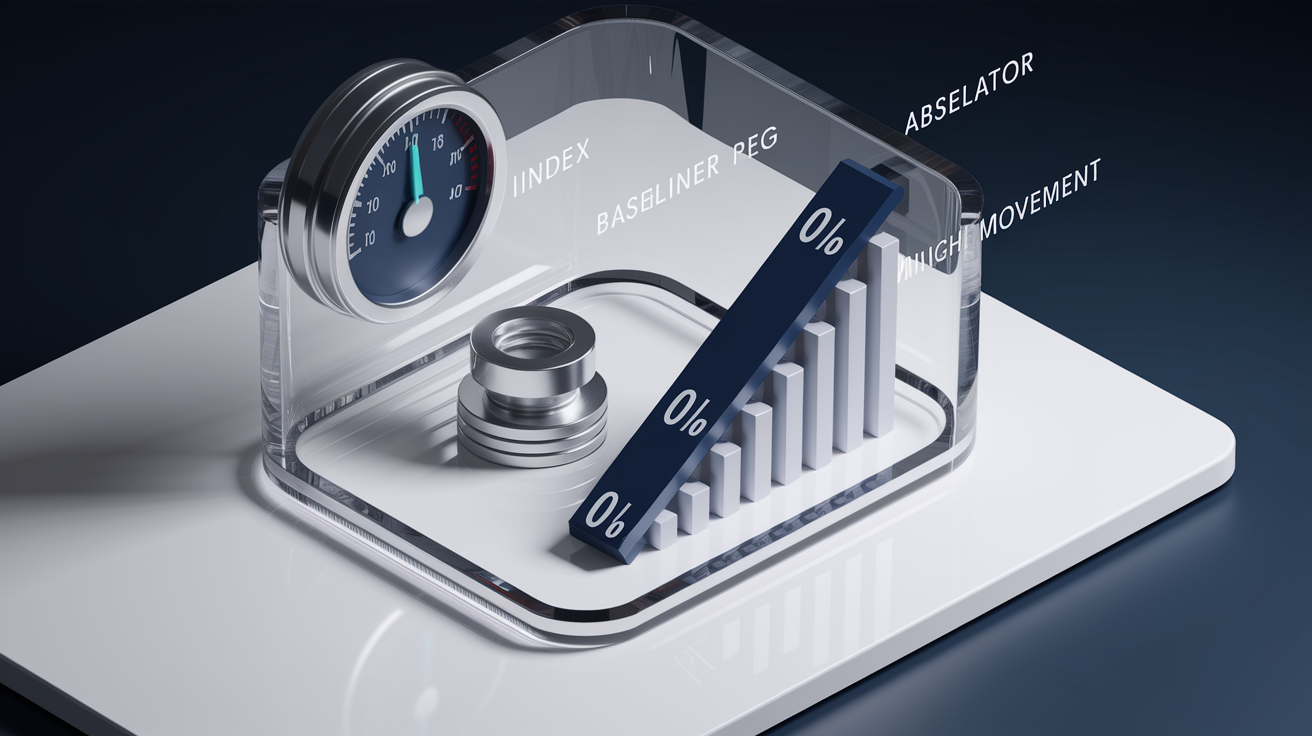
Parcel fuel surcharges run on a three part formula. There’s an index (current market fuel price), a peg (the baseline price that kicks off surcharge application), and an escalator (an efficiency factor, usually expressed as miles per gallon, that turns price deltas into percentage surcharges). Every week the carrier checks the official diesel index, compares it to the peg, then runs the escalator formula to spit out a published surcharge percentage. Index sources include the U.S. Department of Energy’s on highway diesel average or carrier proprietary benchmarks. Reliability varies. Government indices lag one to two weeks, while carrier proprietary indices may use shorter windows.
Weekly recalculation means every fuel price move hits parcel pricing within seven days. You can’t treat fuel costs as fixed line items. A $0.10 per gallon index shift can add half a percentage point to the surcharge table, tacking thousands onto quarterly shipping expense for mid volume shippers. Monthly recalculation would smooth things out a bit, but carriers want weekly updates to protect their margin when fuel spikes fast.
| Component | Definition | Typical Value | Pricing Effect |
|---|---|---|---|
| Index | Market fuel price reference (e.g., DOE diesel average) | $3.00–$4.50 per gallon | Higher index raises surcharge percentage directly |
| Peg | Baseline fuel price; surcharge = 0% when index equals peg | ~$1.20 per gallon (historical) | Lower peg means surcharges activate at lower index levels |
| Escalator | Fuel efficiency factor (mpg) converting price delta to percentage | 5–6 mpg equivalent | Higher escalator mpg lowers surcharge per dollar of fuel increase |
| Update Cadence | Frequency of surcharge recalculation | Weekly | More frequent updates increase pricing volatility and forecasting complexity |
Historical Fuel Surcharge Volatility and Its Strategic Impact

Between March 2021 and July 2024, ground service fuel surcharges climbed from 7.5 percent to 14.5 percent. That’s a 94 percent increase in surcharge burden, driven mostly by diesel price swings and carrier escalator tweaks. Standard residential ground parcel with a $15.38 base rate? Total cost rose from $16.53 to $17.61 over that period. The surcharge itself jumped from $1.15 to $2.23. Lock in product prices or free shipping thresholds in early 2021 and by mid 2024 your per parcel margins got squeezed by over a dollar per shipment, even if base rates stayed flat.
This kind of volatility compounds forecasting errors and forces reactive pricing changes. When diesel spiked hard in Q2 2022, plenty of shippers were caught running outdated shipping budgets. Margin shortfalls followed. Emergency SKU repricing. Suspended free shipping promos. Carriers announce surcharge increases with just one week’s notice via updated fuel tables. Not much room for advance planning or talking to customers about what’s coming.
Historical surcharge swings shape pricing in four ways:
- Forecasting errors – Static annual shipping budgets break when surcharges swing 5 to 10 percentage points mid year.
- Buffer pricing – You build 2 to 4 percent margin buffers into product prices to absorb unexpected surcharge jumps without repricing.
- Renegotiation timing – Big shippers speed up carrier contract renegotiations when surcharge trends spike, hunting for caps or discounts before volatility stacks up.
- SKU repricing cycles – Businesses shift from annual price updates to quarterly or monthly reviews, especially for heavy SKUs where surcharge dollars pile up fast.
Negotiating Contracts to Reduce Fuel Surcharge Exposure

Treat base rates, fuel surcharges, and accessorials as one combined total landed cost during negotiations. Carriers love offsetting discounts in one spot by raising charges somewhere else. You secure a 10 percent base rate discount, then find fuel surcharge percentages unchanged or even bumped up a bit. Total cost stays nearly flat. Present historical total cost data during negotiations. Show exactly how fuel surcharge increases eroded prior discounts. That strengthens your leverage and makes it harder for carriers to dodge fuel specific requests.
Fuel surcharge discounts used to be tough to get. They’re more realistic now that surcharge percentages hit historic highs in 2022 through 2024. Large shippers with real volume can negotiate explicit percentage discounts off published fuel tables (think “published surcharge minus 2 percentage points”) or request caps that limit surcharge exposure when diesel spikes. General rate increase caps usually exclude fuel surcharges, so you’ve got to explicitly negotiate surcharge specific caps or floors to protect against sudden index jumps.
Defining Index, Peg, and Escalator Terms
Contract clauses should name the specific fuel index (for example, “U.S. DOE on highway diesel, weekly average”), the peg value, and the escalator factor. That keeps things transparent and stops carriers from switching to higher reading indices mid contract. You can negotiate a fixed peg (locking in a historical $1.20 per gallon baseline) or a floating peg tied to a defined trailing average, which smooths short term spikes. Escalator values expressed in miles per gallon (5 mpg versus 6 mpg) can be negotiated upward to cut the surcharge percentage per dollar of fuel increase. Carriers resist big shifts here because it erodes their fuel cost recovery.
Setting Surcharge Caps, Floors, and Review Triggers
Caps define the maximum surcharge percentage a carrier can apply, no matter what the index does. “Fuel surcharge not to exceed 18 percent on ground services,” for example. Floors protect you from negative surcharges (rebates) if fuel prices fall below the peg, turning potential credits into base rate reductions instead. Review triggers set up quarterly or semi annual checkpoints where both sides recalibrate peg or escalator values if sustained fuel trends drift from contract assumptions. That prevents one sided exposure when diesel stays elevated for months on end.
Leveraging Analytics During Negotiations
Total landed cost modeling rolls base rate, fuel surcharge, dimensional weight charges, residential fees, and other accessorials into a single per parcel cost. You can quantify exactly how much each contract piece contributes to final expense. Historical trend charts show surcharge percentage movement alongside carrier invoice totals. Did prior discounts deliver real savings or just get offset by surcharge inflation? Scenario modeling simulates surcharge moves of plus or minus $0.25 to $1.00 per gallon. That quantifies budget exposure and justifies requests for caps or indexed adjustments. Turns negotiations from haggling into data driven conversations.
Diversifying Carriers and Multi Carrier Strategies When Fuel Surges
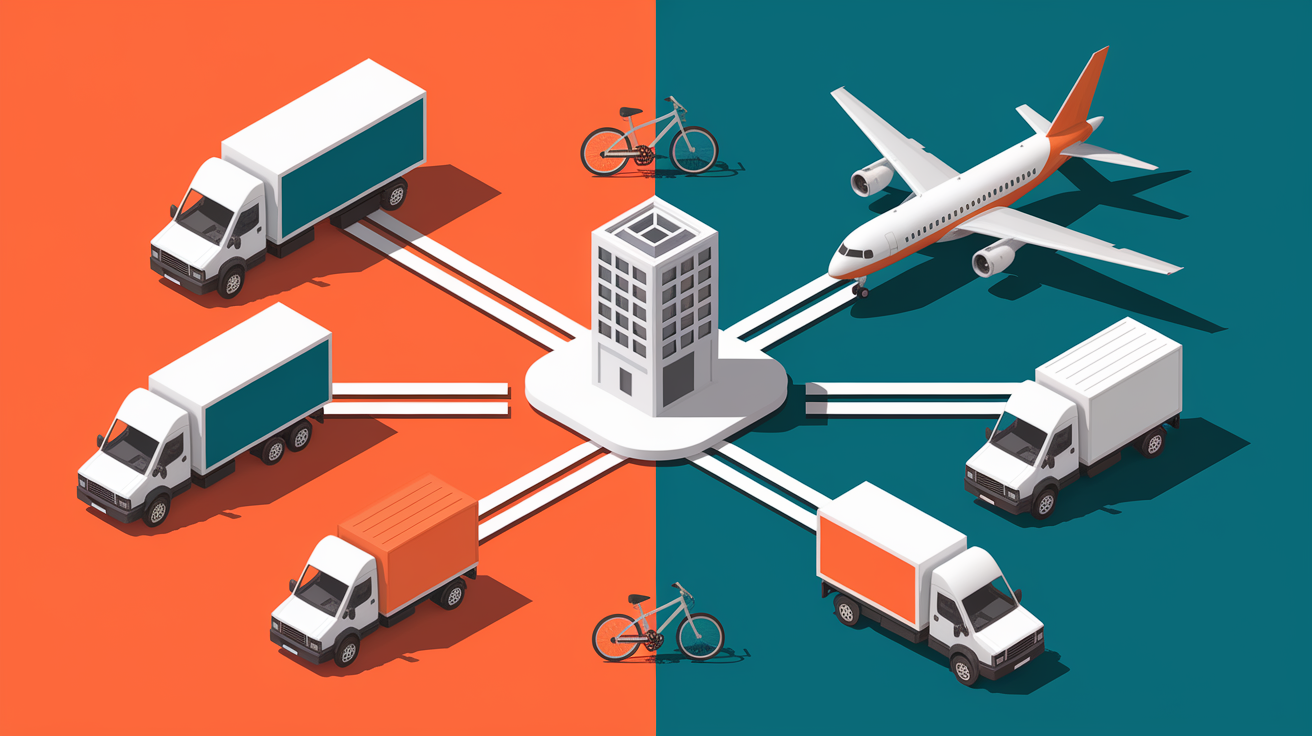
Carriers vary in index references, update timing, and published surcharge percentages. That creates arbitrage opportunities if you’re willing to split volume across multiple providers. One national carrier might use the DOE diesel index with a one week lag. A regional carrier uses a proprietary index updated mid week. During rapid fuel price swings, the lag can create a 1 to 2 percentage point surcharge difference between carriers for identical parcels. Service level diversification helps too. Shift non urgent shipments to ground instead of two day air and you dodge higher air fuel surcharges, which often run 3 to 5 percentage points above ground rates.
Some carriers offer bundled pricing models that roll base rate, fuel surcharge, and accessorials into a single predictable all in rate. That kills weekly surcharge volatility in exchange for slightly higher fixed pricing. These bundled contracts appeal to operators who want budget stability more than they want to chase the absolute lowest per parcel cost. You transfer fuel price risk to the carrier. Expect higher rates when fuel’s cheap, though.
| Carrier Type | Surcharge Update Frequency | Index Used | Pricing Implication |
|---|---|---|---|
| National integrator | Weekly | DOE on highway diesel (lagged) | High volatility; predictable index source; standard tables |
| Regional parcel carrier | Weekly or bi weekly | Proprietary regional fuel average | Moderate volatility; may diverge from national trends |
| Bundled rate carrier | Fixed (no weekly surcharge) | None (fuel embedded in rate) | No surcharge volatility; higher base rate during low fuel periods |
| Air express provider | Weekly | Jet fuel index or diesel equivalent | Higher surcharge percentages (often 18–25%); greater cost swings |
| Last mile local courier | Monthly or contract specific | Local market diesel or fixed surcharge | Lower volatility; may negotiate fixed percentage for contract term |
Passing Fuel Costs to Customers Without Churn

Dynamic pricing adjusts customer facing shipping fees based on current surcharge percentages. You protect margin without manually repricing thousands of SKUs. Retailers using real time rate shopping APIs can display updated shipping costs at checkout that reflect the week’s published surcharge. Fuel volatility passes through transparently. Consumer acceptance of variable shipping fees has grown. Survey data shows increasing openness to 3 to 5 day delivery windows when cost savings are communicated clearly. That cuts demand for premium two day services that carry higher surcharges.
Psychological pricing approaches soften the blow of rising fuel costs by framing increases as temporary adjustments or bundling them into broader service improvements. A notification that reads “Shipping rates adjusted weekly based on fuel costs” sets expectations for variability. Coupling a fuel fee increase with faster delivery or improved tracking can cut perceived friction. You’ve got to balance transparency (customers appreciate honesty about surcharge pass through) with simplicity (too much line item detail at checkout increases cart abandonment).
Four psychological pricing approaches that reduce churn when you pass through fuel costs:
- Bundling – Embed surcharge increases into product prices instead of adding separate fuel fee line items. Keeps checkout totals clean.
- Threshold increases – Raise free shipping cart minimums incrementally ($50 to $55, then $60) rather than killing free shipping entirely.
- Flat fee conversion – Shift from percentage based surcharges to fixed per order fuel fees (for example, “$2 fuel recovery fee”). Feels smaller even when it’s mathematically equivalent.
- Free shipping conditionality – Offer free shipping only on ground services or orders above higher thresholds. Steers customers toward lower surcharge options.
Dynamic and Automated Repricing Systems for Fuel Driven Changes

Automated repricing tools pull weekly fuel index feeds via API and recalculate shipping costs across SKU catalogs without you touching anything. Customer facing prices always reflect current surcharge percentages. Rate engines integrated with carrier fuel tables grab updated surcharge data every Monday morning (when most carriers publish new tables), apply the percentage to base shipping costs, and push revised landed cost calculations to e-commerce platforms, marketplaces, and internal pricing databases. Real time updates kill the lag between surcharge publication and customer pricing. Protects margin when fuel spikes fast.
Monitoring cadence for fuel driven repricing should match carrier update frequency. Weekly index ingestion at minimum. Daily checks during extreme volatility (geopolitical events, hurricane season supply shocks). Update prices only monthly and you risk weeks of margin erosion if surcharges jump mid cycle. Daily updates can confuse customers with constant price shifts. Weekly alignment with carrier schedules hits the right balance.
Core features of repricing engines built for surcharge response:
- Index ingestion – Automated API pulls from DOE, carrier portals, or third party fuel data providers to capture latest index values.
- SKU mapping – Links each product to its shipping weight, dimensions, and carrier service. Calculates surcharge impact per SKU.
- Real time rate updates – Pushes revised shipping costs to storefront, cart, and checkout within hours of carrier surcharge publication.
- Forecasting modules – Projects future surcharge scenarios based on forward fuel curves. Helps finance teams model budget exposure.
- Surcharge audits – Compares carrier invoices against contract defined surcharge formulas to catch billing errors or unapproved index switches.
- Alerting – Triggers notifications when surcharge percentages cross predefined thresholds (for example, “ground surcharge exceeded 15 percent”). Prompts pricing reviews or customer communication.
Margin Protection and Cost Modeling During Fuel Volatility

You maintain healthy margins by modeling multiple fuel scenarios before surcharge spikes happen. Establish per parcel margin floors that trigger repricing or promotional adjustments when crossed. A standard parcel with a $15.38 base rate and 7.5 percent surcharge ($16.53 total) delivers a different margin than the same parcel at 14.5 percent surcharge ($17.61 total). If product price and shipping fee stay constant, that extra $1.08 per parcel comes straight out of contribution margin. Model plus or minus 5 to 10 percentage point surcharge swings to quantify worst case margin erosion and set buffer levels (for example, “maintain at least 12 percent gross margin even at 18 percent fuel surcharge”).
Break even analysis reveals the surcharge percentage where a given SKU or shipping tier becomes unprofitable. For heavy items where shipping represents 20 to 30 percent of total landed cost, a 3 point surcharge increase can flip a marginally profitable SKU into a loss. You use these thresholds to decide whether to raise product prices, switch carriers, or kill certain SKUs when fuel surcharges exceed sustainable levels.
Total landed cost recalculation needs to happen whenever surcharges move more than 1 to 2 percentage points. Small surcharge shifts compound across thousands of parcels. A business shipping 50,000 parcels per month at an average $18 total cost sees an extra $9,000 monthly expense from just a 1 point surcharge increase. Over $100,000 annually. Finance teams that update landed cost models only quarterly miss these incremental increases until they show up as unexplained variance in shipping expense reports.
| Fuel Scenario | Surcharge % | Total Parcel Cost | Margin Effect (assuming $20 product price, $3 target shipping margin) |
|---|---|---|---|
| Low fuel environment (historical peg) | 7.5% | $16.53 | Margin = $3.47 (healthy) |
| Moderate fuel increase | 11.0% | $17.07 | Margin = $2.93 (compressed but acceptable) |
| High fuel spike | 14.5% | $17.61 | Margin = $2.39 (below target; requires repricing or fee adjustment) |
Evaluating Bundled, All In Pricing Models vs Traditional Surcharges

Bundled pricing models blend base rate, fuel surcharge, and accessorials into a single predictable per parcel rate. You eliminate weekly surcharge volatility in exchange for slightly higher fixed pricing during low fuel periods. Carriers offering bundled rates calculate an average fuel cost over the contract term and bake that average into the all in price. Smooths short term spikes but stops you from benefiting when diesel prices fall. This structure works for operators who want budget predictability and simplified invoicing more than they want to chase the absolute lowest variable cost.
Carriers rarely discount fuel surcharges in traditional structures. Competitive pressures, internal cost recovery mandates, and the leverage fuel surcharges give them during contract negotiations all work against it. Bundled pricing removes fuel as a separate negotiating point. Shifts discussion to the total rate. You lose the ability to negotiate surcharge specific discounts but gain protection from unilateral mid contract surcharge increases. The trade off depends on your fuel price outlook and how much volatility you can stomach. Expect rising diesel? Bundled models protect you. Forecasting stable or falling fuel? Traditional surcharges let you capture downside.
Three benefits of bundled all in pricing over traditional surcharge structures:
- Predictability – Finance teams budget a fixed per parcel cost with no weekly recalculation. Simplifies forecasting and cuts variance in P&L.
- Transparency – Single line invoicing kills confusion over index references, peg values, and escalator formulas. Makes carrier comparisons clearer.
- Loyalty potential – Carriers offering stable bundled rates can stand out on service simplicity. Builds long term relationships with shippers who value certainty over marginal per parcel savings.
Scenario Planning and Risk Management for Fuel Driven Pricing Shifts

You prepare for future cost spikes by simulating surcharge shifts tied to plus or minus $0.25 to $1.00 per gallon fuel changes and setting up contingency buffers in both pricing and carrier mix. A $0.50 per gallon diesel increase typically translates to a 2 to 4 percentage point surcharge rise, depending on carrier escalator formulas. Model that scenario across monthly parcel volume to quantify the incremental cost and figure out whether to adjust product prices, raise shipping fees, or absorb the expense within existing margins. Scenario testing should cover gradual trends (steady quarterly increases) and shock events (sudden geopolitical supply disruptions). Response strategies differ. Gradual increases allow phased repricing. Shocks require immediate surcharge pass through or promotional suspension.
Active management matters because fuel surcharges often represent the largest single variable line item in parcel shipping expense. Bigger than accessorial fees for many shippers. Treat surcharges as fixed or assume carriers will absorb volatility and you risk budget overruns, margin compression, and reactive emergency repricing that damages customer experience. Build a formal pricing playbook for sudden fuel surges. Define thresholds that trigger repricing, draft customer communication templates, prep alternative carrier activation. Turns reactive scrambling into disciplined execution.
Four recommended scenario testing steps:
- Baseline cost modeling – Establish current total landed cost per parcel (base plus surcharge plus accessorials) as the reference point for all scenarios.
- Fuel price sensitivity analysis – Model total cost at diesel prices of $3.00, $3.50, $4.00, $4.50, and $5.00 per gallon. Map each to likely surcharge percentages using carrier tables.
- Margin threshold identification – Calculate the surcharge percentage where per parcel margin falls below acceptable minimums. That triggers repricing or promotional adjustments.
- Playbook creation – Document decision trees. “If surcharge exceeds X%, raise free shipping threshold by $Y within Z days; notify customers via email template A.”
Final Words
We ran through how fuel surcharges are calculated, why weekly index moves immediately change parcel costs, and how that volatility drives contract work, carrier diversification, and automated repricing.
You also got practical fixes: negotiate caps and clear index terms, model margin scenarios, map top SKUs, and test customer pass‑through messaging.
Watching how fuel surcharge adjustments change parcel pricing strategies will keep margins steadier and customers less surprised. Start with a 1‑page SKU audit and one automated alert this week — small steps, big payoff.
FAQ
Q: How are fuel surcharges calculated?
A: Fuel surcharges are calculated as a percentage of the base shipping rate using an index, a contract peg, and an escalator; carriers typically update weekly, so monitor index moves and model impacts.
Q: How often do carriers update fuel surcharges and why does that matter?
A: Carriers update fuel surcharges weekly, which matters because weekly index moves immediately change parcel charges and force frequent repricing; automate index feeds and review pricing weekly.
Q: How do fuel surcharges affect parcel pricing and margins?
A: Fuel surcharges affect parcel pricing by increasing total per‑parcel costs proportional to the base rate, squeezing margins and raising free‑shipping thresholds; recalc margins and add buffers.
Q: How should I negotiate contracts to limit fuel surcharge exposure?
A: To limit exposure negotiate index transparency, define peg and escalator values, set caps/floors and review triggers, model ±$0.25–$1.00/gal scenarios, and require audit rights.
Q: When should I switch carriers or use multi‑carrier strategies for fuel risk?
A: Use multi‑carrier strategies when carriers differ on index, timing, or percentage; benchmark surcharge policies, route high‑volume SKUs to lower‑exposure carriers, and keep fallback options.
Q: How can I pass fuel costs to customers without increasing churn?
A: Pass fuel costs with clear customer messaging: bundle shipping, convert to flat fees, raise free‑shipping thresholds, or offer conditional free shipping; A/B test to avoid churn.
Q: Do I need automated repricing for fuel‑driven changes?
A: Automated repricing is recommended since weekly fuel swings need fast response; ingest live indices, map SKUs, push real‑time rate updates, and alert on margin breaches.
Q: How do I protect margins during fuel volatility?
A: Protect margins by modeling ±5–10 percentage‑point surcharge swings, adding price buffers, adjusting promos, and switching service levels or carriers when stress tests fail.
Q: Is bundled all‑in pricing better than traditional surcharges?
A: Bundled all‑in pricing gives predictable customer rates and fewer surprise charges, while traditional surcharges preserve flexibility; pick bundling for stability, surcharges for price competition.
Q: What scenario planning steps should I run for fuel spikes?
A: Run scenario tests for ±$0.25–$1.00/gal fuel moves, stress‑test margins, set trigger points for pricing or carrier changes, and monitor indices weekly.
Q: How does historical surcharge volatility inform pricing strategy?
A: Historical surcharge volatility shows surcharges can rise fast (example: 7.5% to 14.5%), so use shorter repricing cycles, wider buffers, and renegotiate contract terms earlier.
Q: How do fuel surcharges change free‑shipping thresholds and promotions?
A: Fuel surcharge increases raise the cost of free‑shipping offers; respond by raising thresholds, limiting promo eligibility, or shifting to conditional free shipping tied to order value.