
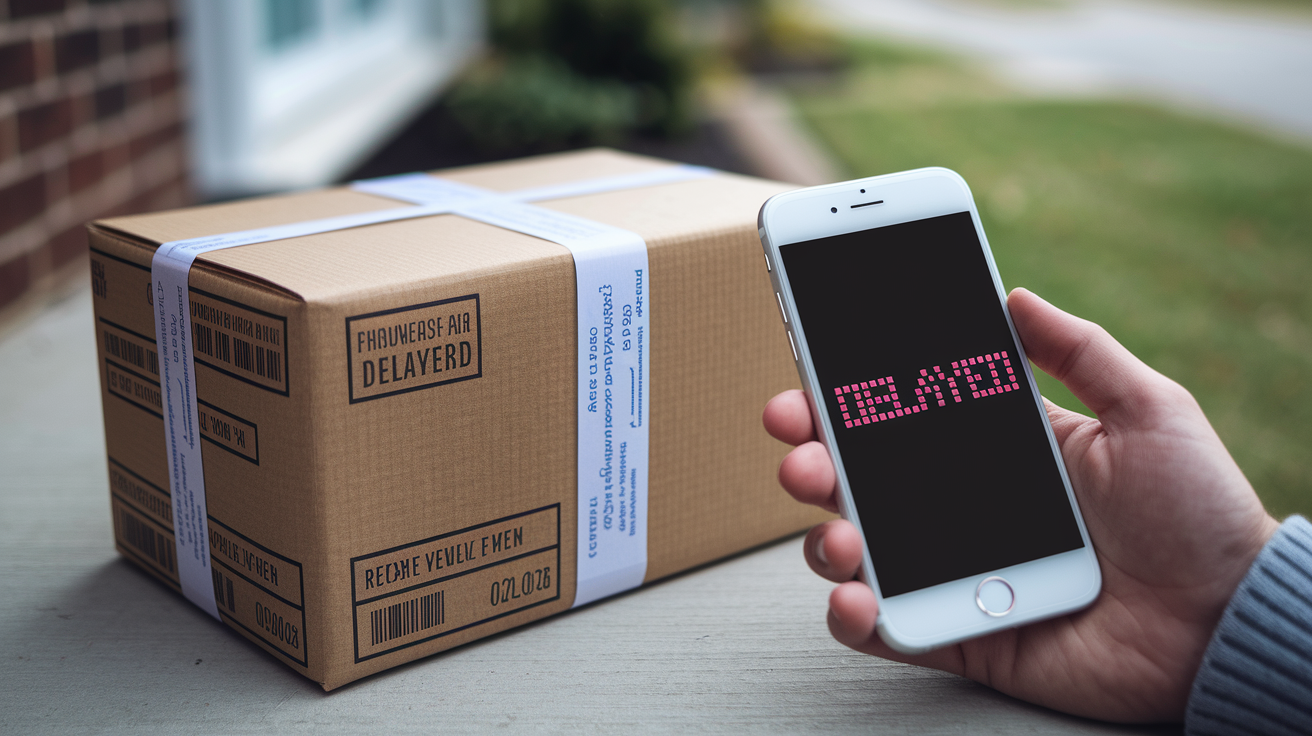

Think a “shipment delayed” status means your order is lost? Not true.
A delay usually means a missed checkpoint—customs, port, carrier, or last-mile hiccup.
How long it takes depends on the cause: paperwork fixes add 1 to 5 business days, vessel blank sailings add 5 to 14 days, and port congestion can stretch into weeks.
It matters because delays drain revenue, raise support volume, and mess up inventory.
This post shows the common causes, how to spot which milestone is stuck, and fast, practical fixes you can run now to cut customer churn and cost.
Immediate Actions When You See a Shipping Delay

A shipping delay just means a package missed an expected checkpoint. Could be vessel departure, port discharge, customs release, or last mile pickup. The carrier’s system caught it and updated the status. It doesn’t mean your shipment is lost. Most delays sort themselves out once the underlying problem clears, and the status flips back to “in transit” or “out for delivery.”
How long you’re waiting depends on what caused the holdup. Customs issues and paperwork mistakes usually tack on 1–5 business days after you submit corrected documents. Vessel delays or blank sailings? You’re looking at 5–14 days because cargo sits until the next boat comes through. Port congestion is a wild card. Could be a few days, could stretch into weeks during peak season or labor disputes. Last mile problems like wrong addresses or carrier capacity issues normally add 1–3 days.
When “shipment delayed” pops up on tracking, here’s what to do right away:
- Pull up the tracking details and figure out which milestone got missed (customs, port, carrier facility).
- Get on the phone with the carrier or seller to nail down the delay reason and a revised delivery estimate.
- Double check that all shipping documents made it through correctly. Commercial invoice, packing list, certificate of origin.
- Calculate a new ETA by adding the typical delay window for that specific cause to your original estimate.
- Tell your customer or recipient the new expected date and when they’ll hear from you next.
- Set up automated tracking alerts so you know the second the status changes.
Common Real-World Causes of a Shipping Delay Explained
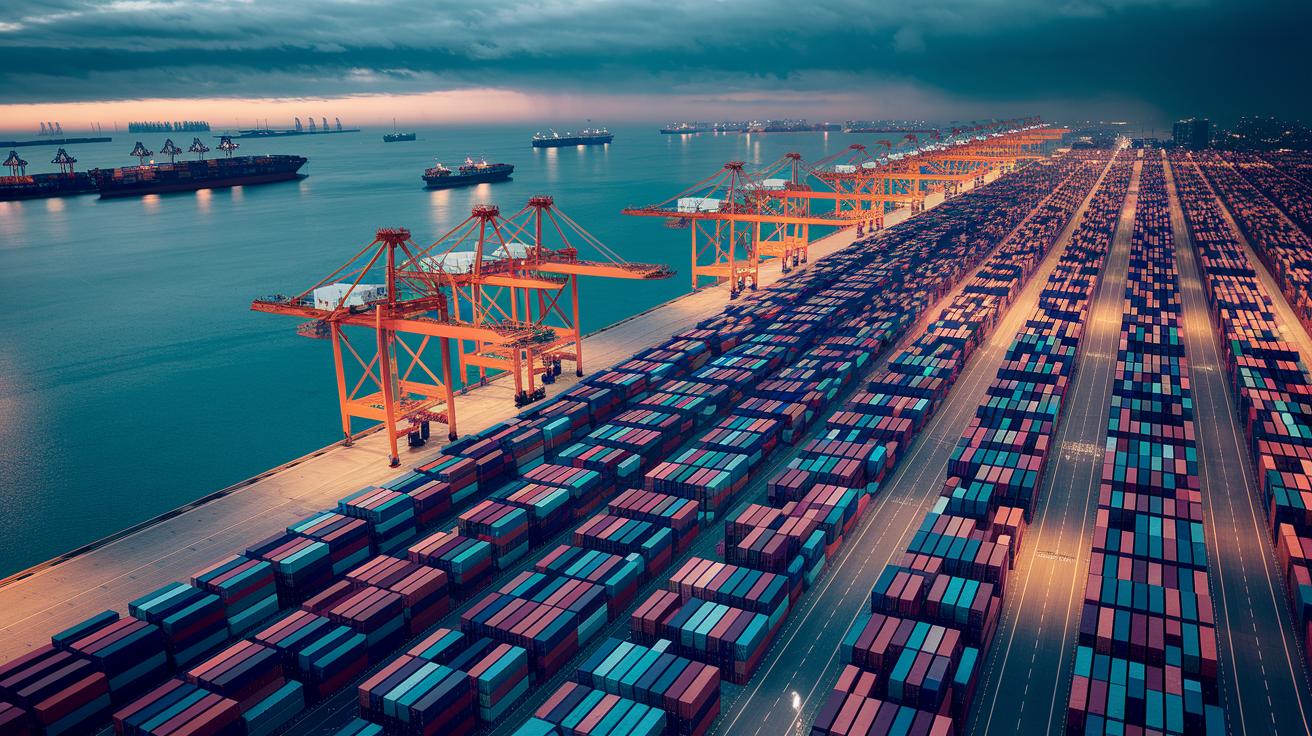
Port congestion is still one of the biggest disruptors out there. Back in May 2022, about one-fifth of the global container fleet was just sitting idle at congested ports. Couldn’t discharge, couldn’t load. High import volumes, limited terminal capacity, and chassis shortages create queues that last days or weeks. One congested port along the route can cascade delays to every stop downstream.
Customs and documentation issues? Totally preventable. A missing commercial invoice, wrong HS classification code, or incomplete certificate of origin triggers an immediate hold. Your shipment sits there until the importer or forwarder submits corrected documents and customs releases it. In 2026, U.S. tariff policy has stretched out inspection times for certain imports, especially those trying to use Section 321 de minimis entry. More holds, slower clearance even when your paperwork’s clean.
Weather events and natural disasters shut down carrier networks fast. Hurricane Ian in September 2022 forced UPS to suspend delivery in around 800 areas. FedEx paused operations in roughly 151 cities. USPS temporarily closed 14 Florida facilities. Storms knock out power, flood roads, close airports, strand drivers. Creates multi-day backlogs that ripple across entire regions.
Peak seasons and volume spikes overwhelm last mile networks every year from September through January. Black Friday, Cyber Monday, Christmas volume forces carriers to slap on demand surcharges and stretch delivery windows. When package volume exceeds available drivers, trucks, and sortation capacity, delays become routine. Address errors and delivery exceptions compound the problem during high volume periods. Apartments without unit numbers, closed business addresses, missing phone numbers.
| Cause | Typical Added Days |
|---|---|
| Customs/documentation hold | 1–5 business days |
| Vessel delay or blank sailing | 5–14 days |
| Port congestion | Days to weeks |
| Last-mile error or capacity | 1–3 days |
How to Track and Troubleshoot a Shipping Delay in Real Time

Real-time tracking and automated exception alerts cut through the confusion and show you which milestone got missed. Carrier portals update status as soon as a delay gets flagged, but they can lag by several hours. Once the underlying issue clears (customs releases the shipment, the next vessel departs, the local facility resumes operations), status typically moves back to “in transit” or “out for delivery.” Tracking alone won’t fix the delay, but it tells you where the package is stuck and whether the issue is customs, port, carrier, or weather related.
Baseline ocean transit times give you a starting point for recalculating arrival. Trans-Pacific routes average 11–14 days. Asia to Europe averages 30–45 days. Add 7–14 days on each side for inland pickup, port cutoff, customs clearance, and final delivery. When a delay shows up, add the typical window for that cause to your revised ETA and communicate the new date to your customer.
Use these steps when tracking stalls:
- Identify the last successful scan location and timestamp.
- Check for exception codes in the carrier portal. Customs hold, weather delay, facility closure.
- Verify that all required documents were submitted and accepted by customs or the carrier.
- Contact the carrier’s support line or your freight forwarder to request a revised ETA and confirm next steps.
- Set an automated alert for the next expected milestone so you get updates without repeatedly checking the portal.
Resolving Documentation and Customs Issues During a Shipping Delay

Documentation errors are the most preventable delay source and typically add 1–5 business days once corrected paperwork gets submitted. Missing commercial invoices, incorrect HS codes, incomplete certificates of origin cause immediate customs holds. The shipment can’t move until the importer or broker provides the missing or corrected document and customs officers review and release it. In many cases, the review is fast once the right information arrives. But delays stack up when multiple documents need correction or when inspection backlogs are high.
U.S. tariff policy has increased customs inspection time for certain imports in 2026. Especially shipments trying to enter under Section 321 de minimis rules. Customs and Border Protection now scrutinizes origin claims, valuation, and HS classification more closely. Lengthens clearance windows even for compliant shipments. If your shipment gets flagged for exam, expect an additional 3–7 days beyond the standard clearance timeline.
To release a shipment stuck in customs, the importer or their broker must submit clean copies of the commercial invoice showing accurate product descriptions, quantities, values, and country of origin. The packing list matching the invoice line by line. The bill of lading or air waybill with shipper and consignee details. Any required certificates (origin, phytosanitary, FDA prior notice). Once submitted, follow up daily with your broker or the port’s customs office to confirm receipt and status.
Verify these documents before cargo departs:
- Commercial invoice with correct HS codes, product values, and origin country.
- Packing list matching the invoice and accurately describing contents.
- Bill of lading or air waybill with complete shipper, consignee, and notify party information.
- Certificates of origin, permits, or regulatory filings required by the destination country.
Shipping Delay Impacts on Merchants, Customers, and Profitability

Shipping delays directly erode revenue and customer retention. In 2022, 32 percent of shoppers abandoned their carts because of long shipping times. Sixty-nine percent said they’re less likely to return to a retailer after a delivery missed the promised date by two days. Seventeen percent of buyers stop shopping with a merchant after one late delivery. Fifty-five percent churn after two or three. Those numbers translate into lost lifetime value and higher acquisition costs, since acquiring a new customer can cost five to twenty-five times more than retaining an existing one.
Under normal conditions, 6–12 percent of packages get delayed. During peak periods (October through January), that figure exceeds 30 percent. Carrier surcharges rise during those months, and capacity constraints amplify delay rates. Merchants absorb both the direct cost of surcharges and the indirect cost of customer support volume, refunds, and reshipped orders. Inventory strain increases when shipments arrive late. Forces merchants to either overstock safety inventory or risk stockouts during high demand windows.
Operational consequences extend beyond customer-facing metrics. Warehouse teams handle exception workflows. Locating delayed inbound shipments, expediting restocks, coordinating with suppliers, managing backorder queues. Customer service teams field repetitive inquiries about order status, process refund requests, attempt to salvage customer relationships. Finance teams see margin compression from carrier surcharges, expedited shipping upgrades, and goodwill compensation. Each delayed shipment generates downstream work across the business.
Key financial and operational consequences:
- Revenue loss from cart abandonment and repeat purchase churn.
- Increased customer acquisition cost as retention rates fall.
- Higher support volume and labor cost to handle delay inquiries and exceptions.
- Margin erosion from carrier surcharges, expedited shipping, and compensation (refunds, vouchers, cashback).
- Inventory planning complexity as inbound and outbound timelines become less predictable.
How to Resolve a Shipping Delay with Carriers, Sellers, and Customers

Proactive alerts reduce customer churn and complaints. Sixty-six percent of consumers value transparent communication about supply chain delays. Notifying them before they notice the delay themselves prevents frustration and reduces inbound support volume. When a delay appears, immediately send a message explaining what happened, the revised delivery date, and when you’ll provide the next update. Include tracking links and direct contact information so customers can reach you if they need faster resolution.
Escalation paths vary by channel. For ocean freight, contact your freight forwarder or the carrier’s customer service line to request a revised ETA, alternative routing, or expedited customs release. For parcel carriers, use the carrier’s exception portal or call the local facility if the package is stuck at a hub or out for delivery. For international shipments, work with your customs broker to verify documents, pay duties, and request release. If the delay triggers an SLA breach, file a claim for refund or credit per the carrier’s terms. Enforcement depends on documented performance metrics and contract terms, so keep records of original delivery commitments and actual performance.
Customer Communication Templates
Use these formats to notify customers when delays occur:
Shipment delayed, general: “Your order is running [X] days behind schedule due to [brief cause]. New estimated delivery: [date]. Track here: [link]. We’ll update you again on [date].”
Customs hold: “Your package is currently held at customs awaiting [document/payment]. We’ve submitted the required information and expect release within [1–5] business days. Updated ETA: [date].”
Severe weather delay: “Delivery in your area has been paused due to [storm name/event]. Carrier operations will resume on [date], and your package will be prioritized. We’ll confirm the new delivery date as soon as the carrier updates tracking.”
Carrier backlog: “High package volume is causing delays across the carrier network. Your order is [X] days behind the original estimate. New delivery window: [date range]. We appreciate your patience and will keep you updated.”
Preventing Future Shipping Delays Through Better Operations and Planning

Distributed inventory can reduce delivery windows from three weeks to three days by positioning stock closer to end customers. Instead of shipping every order from a single warehouse, merchants place high velocity SKUs in multiple fulfillment centers across regions. When an order comes in, it ships from the nearest location. Shortens transit time and reduces the number of handoffs where delays can occur. The upfront cost of multi-location inventory gets offset by faster delivery, lower shipping costs, and improved conversion rates.
Contingency routing and multi-carrier strategies minimize risk during peak season and capacity crunches. Merchants contract with multiple carriers (FedEx, UPS, regional parcel services, freight forwarders) so they can shift volume when one carrier imposes surcharges, misses SLAs, or experiences network disruptions. Automated routing rules send high priority orders through premium services and route lower priority shipments through cost-optimized carriers. When weather or strikes affect a region, orders automatically reroute through unaffected carriers or alternate hubs.
AI tools improve route optimization, weather prediction, and exception forecasting. Platforms analyze historical transit times, current carrier performance, weather forecasts, and customs clearance rates to predict delays before they appear on tracking portals. Merchants get early alerts and can proactively notify customers, reroute shipments, or expedite high value orders. Low Earth Orbit (LEO) networks like Starlink and Medium Earth Orbit (MEO) systems like O3b mPower improve data flow and tracking reliability. Especially for ocean freight, by providing real-time connectivity to vessels and remote terminals.
| Strategy | Benefit |
|---|---|
| Distributed inventory across regions | Reduces delivery windows and handoff points where delays occur |
| Multi-carrier routing with automated fallback | Maintains service levels during carrier disruptions and peak surcharges |
| AI-based delay forecasting and exception alerts | Enables proactive customer communication and rerouting before SLA breach |
2026 Shipping Delay Factors and Global Market Pressures

Red Sea diversions add 10–14 days to Asia-to-Europe and Asia-to-U.S. East Coast routes. Vessels that once transited the Suez Canal now detour around the Cape of Good Hope to avoid security risks in the Red Sea corridor. The longer voyage consumes more fuel, increases slot costs, and tightens vessel capacity on affected loops. Merchants shipping from Asia to European or U.S. East Coast markets have to plan for extended ocean transit and adjust inventory lead times accordingly.
Ocean alliances restructured in February 2025. Altered transit patterns and reliability across major trade lanes. The new Gemini Cooperation, Premier Alliance, and restructured Ocean Alliance changed vessel-sharing agreements, port rotations, and service frequencies. Some lanes gained capacity and frequency. Others lost direct calls and now require transshipment, which adds time and exception risk. Shippers on affected routes experienced disrupted schedules and had to renegotiate bookings and service-level expectations with their forwarders.
Peak season surcharges and trans-Pacific General Rate Increases shift on the first and fifteenth of each month during high volume periods. Carriers raise slot prices to manage demand and recover costs from congestion, fuel, and equipment shortages. Merchants locking in space early and negotiating contract rates avoid some volatility. But spot market shippers face rapidly changing costs and capacity availability. Rate volatility makes budgeting difficult and forces merchants to either absorb surcharges or pass costs to customers. Both affect margin and competitiveness.
The biggest delay drivers in 2026:
- Red Sea diversions extending Asia-to-Europe and Asia-to-U.S. East routings by 10–14 days.
- Ocean alliance restructuring in February 2025 changing service patterns and reliability.
- U.S. tariff policy increasing customs inspection times and hold durations for certain imports.
- Peak season volume and carrier surcharges from September through January straining last mile capacity.
Things to Keep in Mind About Any Shipping Delay
Many delays clear after a missed milestone. Most aren’t lost shipments. Tracking status will update once customs releases the cargo, the next vessel departs, or the carrier facility resumes normal operations. Patience and proactive monitoring reduce unnecessary escalation and let the underlying issue resolve naturally in most cases.
Clean documentation, tracking visibility, and proactive alerts reduce most preventable delays. Submitting accurate commercial invoices, packing lists, and certificates before cargo arrives eliminates the primary cause of customs holds. Real-time tracking with automated milestone alerts keeps you informed without manual checks. Early customer communication preserves trust even when delays occur.
Core reminders about interpreting and planning around delays:
- “Shipment delayed” means a missed milestone, not a lost package. Status typically updates once the issue clears.
- Documentation errors cause 1–5 day holds but they’re fully preventable with clean paperwork and validation before departure.
- Peak season, weather, and global disruptions (Red Sea diversions, alliance changes) are predictable pressures. Plan buffer inventory and communicate realistic timelines during those windows.
Final Words
in the action, we walked through what a shipping delay is, the likely missed milestones, typical duration ranges, and the immediate checklist to follow when tracking stalls.
We explained common causes—port congestion, customs, weather, last‑mile—and how to troubleshoot, escalate with carriers, and fix documentation.
If a shipping delay appears, use the checklist, escalate early, and keep customers informed. Most issues clear after a missed milestone. Do this consistently and you’ll reduce surprises and protect revenue.
FAQ
Q: What is causing current shipping delays?
A: Current shipping delays are caused by port congestion, customs/documentation holds, severe weather, carrier capacity limits, route diversions (like Red Sea), and last‑mile errors; check tracking and carrier advisories right away.
Q: Is there a delay in shipping right now?
A: Whether there’s a delay right now depends on your package; check its tracking status, the carrier’s service alerts or outage page, and contact the seller or local post office if updates stall.
Q: Why is the USPS having shipping delays?
A: USPS delays are often due to staffing or facility backlogs, weather and natural‑event closures, holiday volume spikes, and transportation disruptions; review USPS service alerts and your tracking number for the specific cause.
Q: What is a shipping delay?
A: A shipping delay is when a shipment misses a milestone—departure, port discharge, customs release, or last‑mile pickup—adding transit time, typically from 1–5 days (docs) to 5–14+ days (vessels or congestion).