
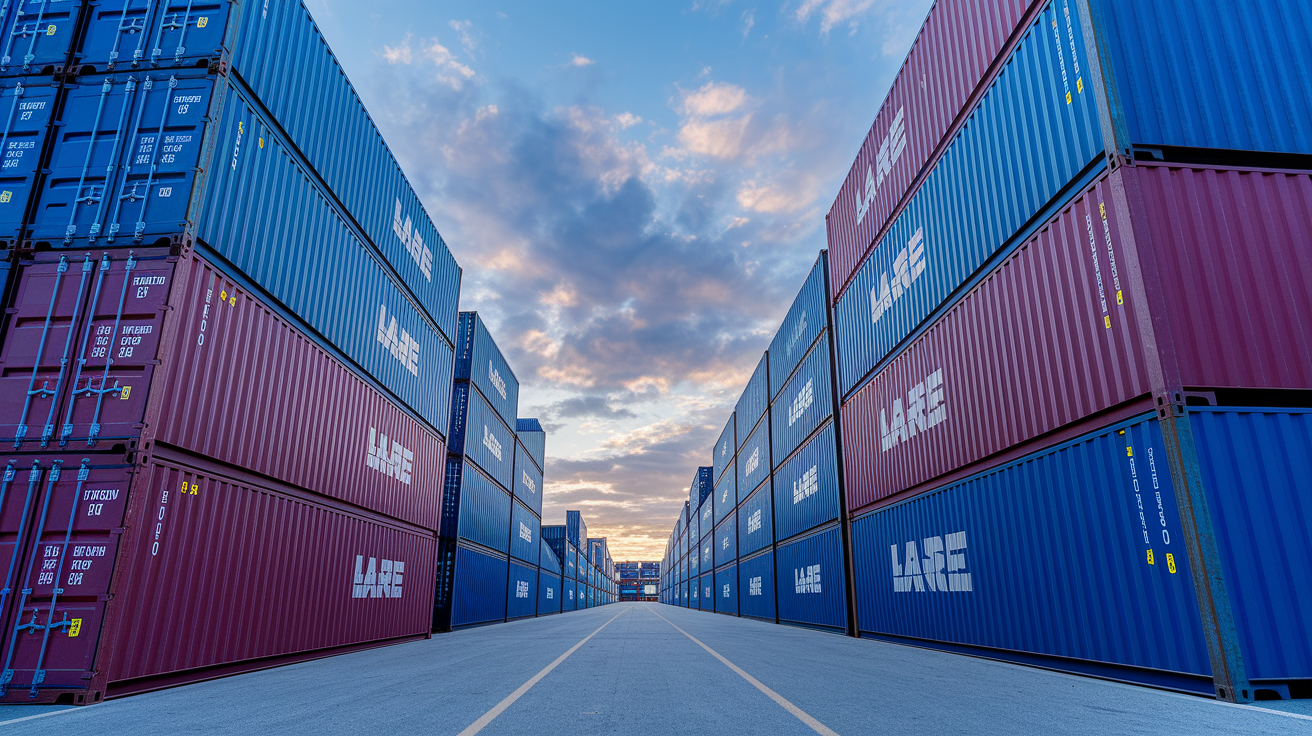

Think shipping containers are just big metal boxes?
They’re not. These steel units now serve as storage, workshops, refrigerated rooms, and even homes.
This guide explains the main container types, standard sizes (20‑ft and 40‑ft, plus High Cube), why condition and location drive price, and whether to buy or rent.
You’ll get clear cost ranges, common use cases, and quick modification tips so you can match the right container to your project and budget.
Read on for practical next steps and what to watch when buying or renting.
Key Facts About Shipping Containers
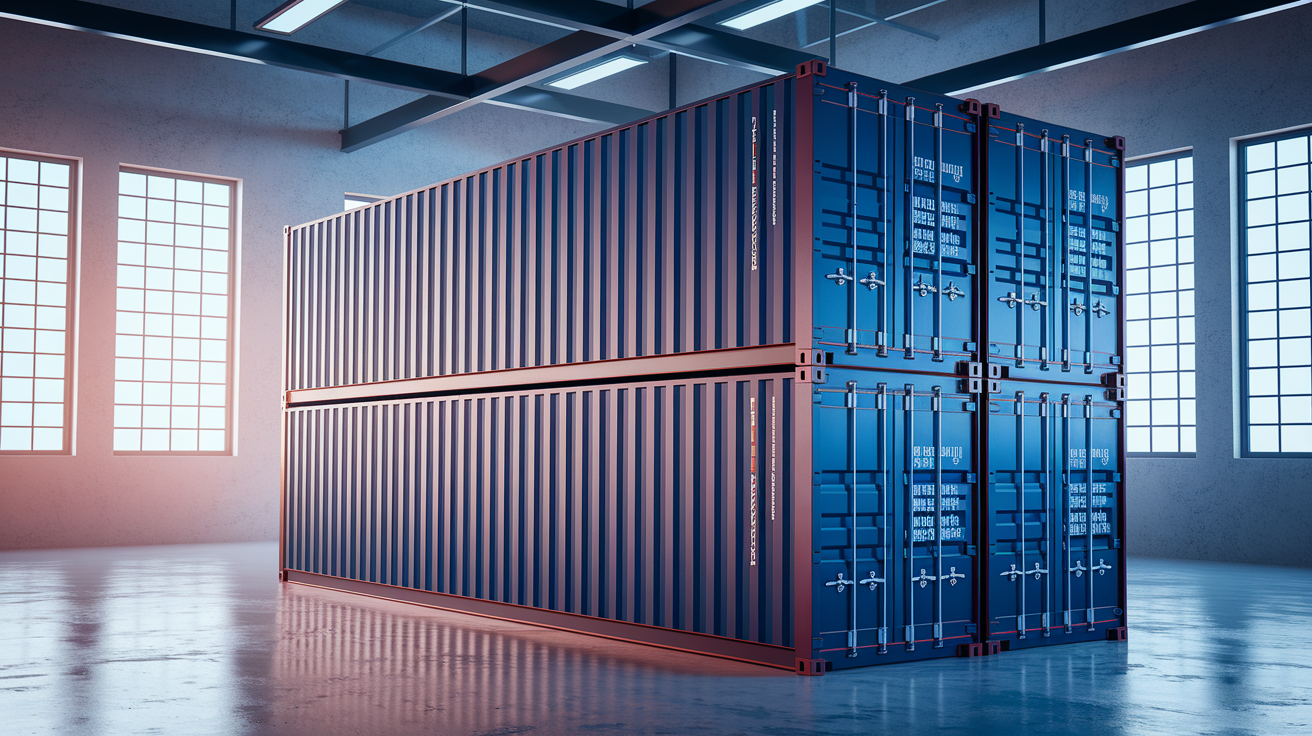
Shipping containers are big steel boxes built to move stuff across oceans, trains, and highways. They’re made from COR-TEN weathering steel, corrugated for strength, sitting on a steel frame with marine plywood floors that can handle serious weight. Modern containers follow ISO specs, so they stack and fit the same way on ships and trucks everywhere. They were built for freight, sure. But now? People use them for storage, building projects, offices, even houses.
The standard sizes are 20 feet and 40 feet long, both 8 feet wide. Regular height is 8.5 feet. High Cube containers go 9.5 feet tall, giving you an extra foot inside. A 20-footer holds about 1,170 cubic feet, weighs roughly 5,000 pounds empty, and can carry up to 62,000 pounds. A 40-footer gives you around 2,390 cubic feet, weighs about 8,200 pounds empty, and maxes out near 63,000 pounds of cargo. You can find specialty sizes like 45-foot or 53-foot units, but they’re less common.
Containers come in different grades. “One-trip” units made just a single voyage overseas and look almost new. “Cargo Worthy” containers still meet the standards for international shipping and stay watertight. “Wind and Water Tight” units are older or retired from cargo duty but still keep weather out, perfect for storage or conversions. Prices move around: new 20-footers start near $2,700, used ones closer to $1,800. New 40-foot containers often begin around $4,500, used versions around $2,200.
Common container types and what they’re used for:
- Dry Cargo (Standard) – The basic steel box. Storage, freight, building projects.
- High Cube – Taller version (9.5 ft vs. 8.5 ft), better for conversions, retail, workshops.
- Refrigerated (Reefer) – Insulated with cooling units for food, medicine, anything temperature sensitive.
- Open Side – Full side opens up instead of just the end doors. Great for wide equipment or retail.
- Double Door / Four Door – Doors on both ends or multiple sides for easier access and flow.
Why Shipping Containers Vary in Cost and Availability

Container prices shift with global trade. When imports flood in, empty boxes pile up at ports and prices drop. When exports dominate, containers get scarce inland and prices climb. Steel costs matter too, since COR-TEN is the main material. If raw steel spikes, new and refurbished units get pricier. Where you are makes a difference. Buyers near big ports like LA, New York, or Houston usually get better prices and faster delivery than folks in rural or inland areas where transport adds expense.
Condition is the biggest cost factor. New one-trip containers cost more because they’re basically pristine, recently made, and come with long warranties (often 25 years). Cargo Worthy units cost less but still hold up structurally and pass certification for ocean transport. Wind and Water Tight containers might show some wear or surface rust but seal against weather just fine, and they’re the cheapest option. Really old containers sold “as-is” go for steep discounts. Buying in bulk (five or more) usually unlocks volume pricing. And seasonal spikes like construction season or post-hurricane recovery can tighten supply and push prices up temporarily.
Four things that move shipping container prices:
- Condition grade – New one-trip units cost way more than used Cargo Worthy or Wind and Water Tight boxes.
- Market supply and trade flow – Import/export imbalances change what’s available locally and what it costs.
- Location and distance from ports – Close to major ports means lower delivery fees. Inland? You pay more.
- Steel commodity prices – Raw steel fluctuations hit new container manufacturing and resale values directly.
Buying vs. Renting a Shipping Container

Whether you buy or rent depends on how long you need it, if you’re planning modifications, and your budget. Buying works when you need something permanent or semi-permanent, like on-site storage, converted offices, or actual structures. You own it, so you can cut windows, add doors, insulate, whatever you want. Renting is better for short-term stuff like temporary job site storage, seasonal inventory overflow, or a one-time move. Rental deals usually cover delivery, pickup, and sometimes repositioning, which keeps things simple if you don’t want to deal with resale or long-term placement.
Six buying vs. renting comparisons:
- Upfront cost – Buying means full payment (or financing). Renting spreads it across monthly fees.
- Ownership and modifications – Buyers modify freely. Renters usually can’t touch the container.
- Duration – Purchase pays off after 12 to 18 months. Rental suits needs under a year.
- Maintenance responsibility – Owners handle repairs. Rental companies often cover structural problems.
- Resale value – Purchased containers hold resale or trade-in value. Rental payments build nothing.
- Flexibility – Renters return or swap sizes easily. Buyers have to sell or move the thing themselves.
For long-term storage at a business yard, buying a used WWT container often pays for itself in under two years versus renting. For a three-month retail pop-up or construction phase, renting skips the resale hassle and keeps cash free. Some vendors do rent-to-own, crediting rental payments toward purchase, which blends short-term flexibility with eventual ownership. When comparing quotes, check if rental pricing includes delivery, pickup, insurance, repositioning fees, and review buyout terms if you think you might convert later.
Common Uses for Shipping Containers
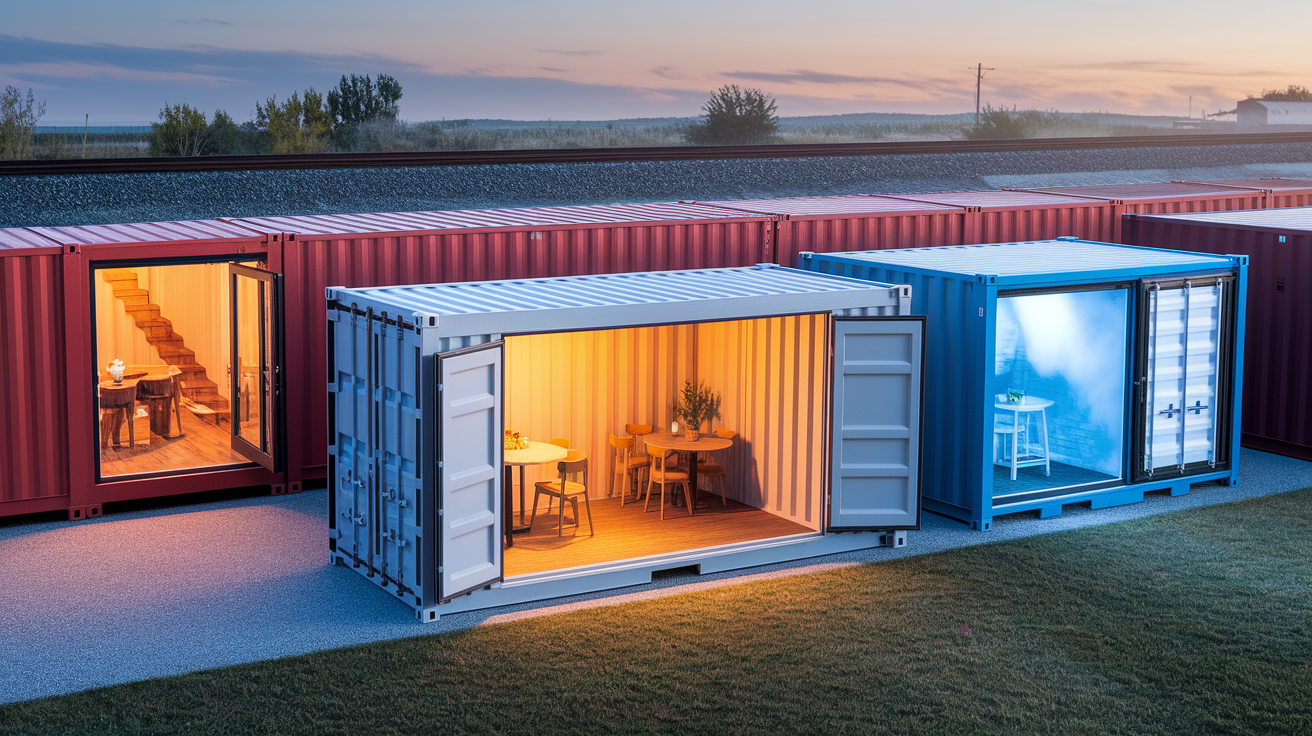
Shipping containers work in two broad ways: moving stuff and staying put. For transport, they carry goods by ocean, rail, and truck using standardized ISO dimensions, so transfers between carriers happen smoothly worldwide. For stationary use, they become storage buildings, workspaces, housing, retail setups, industrial facilities. The steel build, weather resistance, and stackable design let them hold inventory in a warehouse yard or form the frame of a two-story office.
Containers have caught on in residential and commercial building because they’re modular, fast to set up, and comparatively cheap. High Cube units, with that extra foot of ceiling, are popular for offices and living conversions since the interior feels less cramped without major structural work. On farms, construction sites, event venues, containers give you secure, lockable storage you can move as projects change. Refrigerated reefer units handle cold-chain logistics, food storage, mobile kitchens. Open-side and double-door setups support retail fronts, equipment workshops, pass-through loading bays.
Seven common container uses:
- On-site storage – Inventory, tools, equipment, materials at job sites, farms, business yards.
- Freight and logistics – International and domestic cargo by ship, rail, truck.
- Modular offices and workspace – Portable site offices, studios, co-working spots with insulation and climate control.
- Retail and pop-up shops – Storefronts, food stalls, event kiosks using open-side or windowed units.
- Residential buildings – Tiny homes, ADUs, multi-container homes with full fit-outs.
- Refrigerated storage – Cold storage for food, pharmaceuticals, perishables using reefer containers.
- Emergency and temporary housing – Disaster shelters, field hospitals, temporary student or worker housing.
When planning a container project, match the use to the right size, height, and condition grade. A 20-foot WWT works for basic yard storage. A 40-foot High Cube suits a workshop or living space better. If it’s staying put for years, budget for site prep, anchoring, permits. For mobile or temporary setups, confirm delivery access and pickup logistics line up with your timeline and that the site can handle the truck or crane needed for placement.
Container Modifications and Customization Options
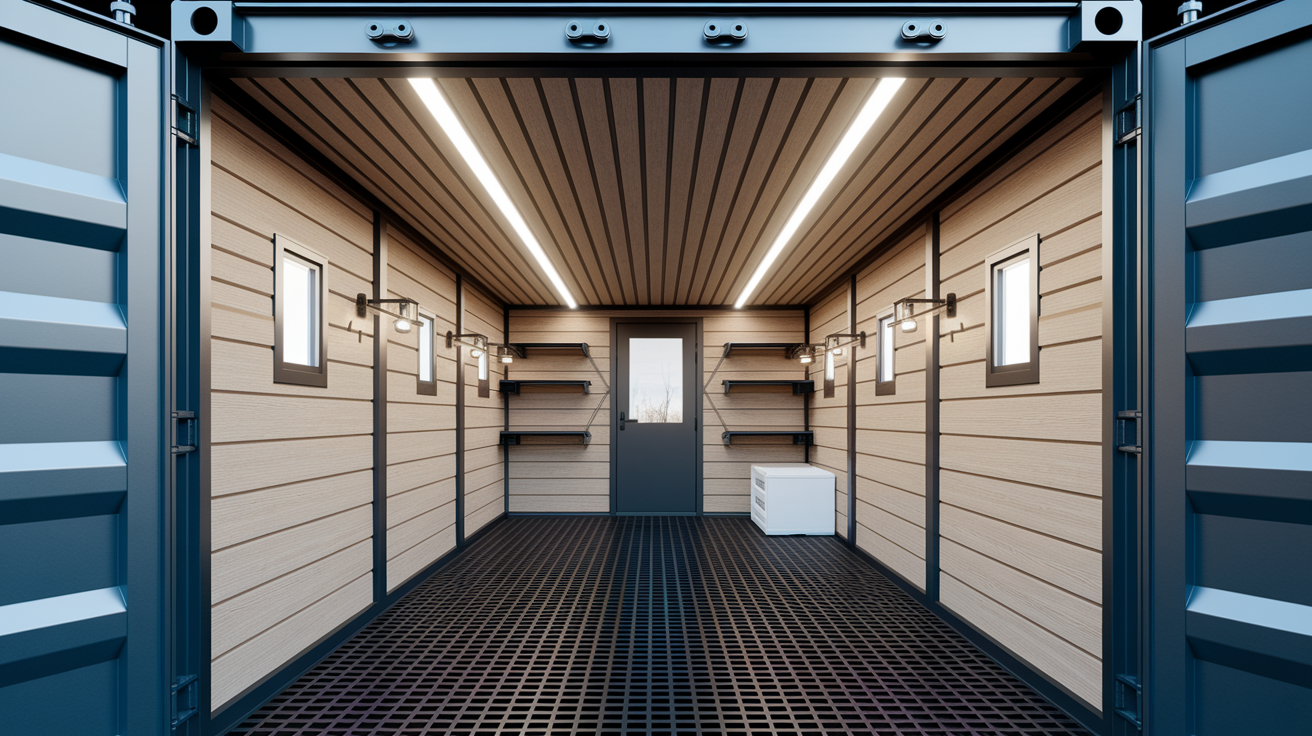
Most conversions start with structural mods to improve access, airflow, and comfort inside. Adding a personnel door means you don’t have to swing open the heavy cargo doors every time, which helps with security and keeping temperature stable. Standard steel man-door kits, usually 36 inches wide, get cut into the side or end wall and come with a lockable handle and weather seals. Roll-up doors work like garage doors, great for workshops and retail since they give you wide access without needing swing space. Windows bring in natural light and ventilation. People use everything from small vents to big storefront-style panes, typically double-pane for insulation.
Insulation matters if you’re climate controlling or occupying the space. Spray foam is the go-to, sealing the corrugated interior and giving you solid thermal resistance. Rigid foam panels or batt insulation work too, often paired with an interior finish like plywood, OSB, or metal paneling for a clean, usable surface. Electrical runs along the walls and ceiling, usually surface-mounted or in conduit. Outlets, lighting, breaker panels. For offices, retail, or living spaces, adding HVAC (mini-splits are popular) keeps things comfortable year-round. Plumbing gets more complex and usually only happens for bathroom, kitchen, or sink setups, where you need to plan water supply, drainage, and code compliance carefully.
Six standard container customizations:
- Personnel (man) doors – 36-inch steel doors with locks for daily access without opening cargo doors.
- Windows – Single or double-pane units cut into walls for light and air.
- Insulation and interior walls – Spray foam or rigid panels with finished paneling for climate control.
- Electrical wiring and lighting – Outlets, switches, breaker panels, interior and exterior lights.
- HVAC systems – Mini-split or portable units for heating and cooling occupied spaces.
- Shelving, ramps, and accessories – Interior shelving, exterior ramps for accessibility, vents, lock boxes.
High Cube containers are preferred for mods involving people inside. That extra foot of ceiling makes it feel less tight and simplifies installing drop ceilings, ductwork, overhead storage. Before cutting into a container, check local building codes and whether the mod affects structural integrity or voids any warranty. Some vendors sell pre-modified or turn-key units, like fully equipped offices with doors, windows, insulation, electrical, and HVAC already done. Saves time and ensures code compliance, but costs more upfront.
Delivery, Placement, and Site Preparation
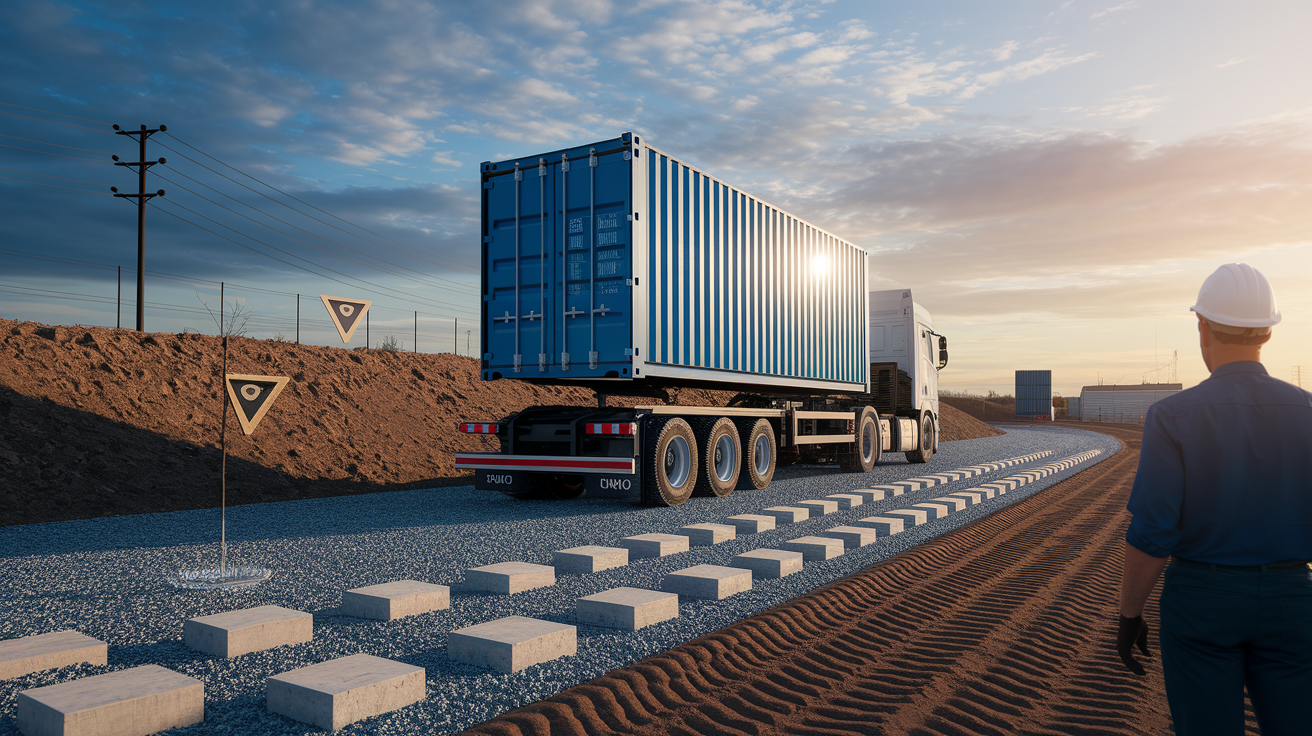
Delivering a container needs room for big trucks and space to maneuver. Standard delivery uses a tilt-bed or flatbed truck that tilts the bed and slides the container onto the ground. You need a clear, level spot at least 60 feet long and 14 feet wide so the truck can back in, tilt, and pull away. For tight spaces, rooftops, or stacking, you’ll need a crane or forklift instead. Costs more, but lets you position precisely. Confirm overhead clearance (power lines, branches) and ground conditions (soft soil, slopes) with the delivery company before the drop.
Five site prep and placement requirements:
- Level, stable foundation – Gravel beds, concrete pads, railroad ties, or adjustable pier blocks to keep it level and prevent settling.
- Access path for delivery truck – Minimum 14-foot width and 60-foot straight approach. Watch for low wires or branches.
- Drainage – Slight slope or channels to stop water pooling under or around the container.
- Anchoring (if needed) – Ground anchors, twist locks, or bolted connections for high-wind areas or stacked setups.
- Permit and utility coordination – Check local zoning, building permits, and mark underground utilities before delivery.
A solid foundation keeps your container from rusting and extends its life. Concrete piers or blocks at each corner and mid-span points spread the weight and let air flow underneath, cutting down on moisture. For temporary placements, compacted gravel or railroad ties work fine and come out easily later. You can stack containers several units high, but that needs engineering oversight, reinforced corner castings, and twist-lock connectors to secure each layer safely. Any stacked or multi-container structure for occupancy will probably trigger building code review, so plan for engineering drawings and inspections.
Choosing a Reliable Shipping Container Vendor

A good container supplier gives you clear condition grading, detailed photos or inspection reports, and transparent pricing that shows or breaks out delivery costs. Look for vendors who explain their grading terms (one-trip, Cargo Worthy, Wind and Water Tight) and let you inspect or refuse delivery if the unit doesn’t match what was described. National suppliers with depots in lots of markets (38 or more) can usually match you to nearby inventory, cutting transport fees and lead times. Local dealers near major ports typically stock more and restock faster. Inland dealers carry less but might offer more personal service and flexible delivery windows.
Five traits of solid container suppliers:
- Clear condition grading and photos – Written definitions of new, CWO, and WWT grades with current photos of what’s available.
- Transparent pricing – Itemized quotes showing container cost, delivery fee, any location or fuel surcharges.
- Warranty or guarantee – New units often get 25-year structural warranties. Used units might include 10-year or 30-day satisfaction guarantees.
- Delivery coordination – Scheduling, site assessment, equipment planning (tilt-bed vs. crane) handled by the vendor.
- Business accreditation – Membership in industry groups (NPSA, CSTA) and ratings with BBB or online review platforms.
Before buying or renting, request a walk-through inspection or high-res photos showing the exterior, interior, floor, doors, and any visible damage. Check door seals and locking mechanisms for wear. Inspect the floor for soft spots or rot. Look for rust, dents, or holes in the walls and roof. Verify the manufacture date, especially on “one-trip” units, which should show recent dates (within the past year). For used containers, confirm if it’s Cargo Worthy certified if you plan to ship with it, or if it’s sold as-is for stationary use only. Good vendors answer questions about prior use, refurbishment history, structural repairs, and offer a return or replacement policy if the delivered unit doesn’t match what was agreed.
Final Words
We ran through the essentials: what a shipping container is, standard ISO sizing (20 ft and 40 ft; 8 ft wide; 8.5 ft or 9.5 ft high cube), and common types like dry, reefer, and open-top.
You learned why prices move—condition, steel and transport costs, port distance, and demand—and when buying beats renting.
We covered uses, common mods, delivery and site prep, and how to vet suppliers.
Use the checklist—confirm condition grade, site access, mod and delivery costs, and compare local vendors—and you’ll get the right shipping container without surprises.
FAQ
Q: Is it cheaper to build a shed or buy a shipping container?
A: Whether it’s cheaper to build a shed or buy a shipping container depends on scope, but buying a used 20‑ft container is often cheaper for secure storage: expect $1,500–$4,500 vs $2,000+ for a basic shed plus labor.
Q: What is the average cost of a 20ft container?
A: The average cost of a 20ft container is about $1,500–$4,500 for used units; new or one‑trip units typically run $3,000–$8,000, depending on condition, delivery, and location.
Q: What are the 7 types of containers?
A: The seven common container types are: dry freight (standard), high‑cube, refrigerated (reefer), open‑top, flat‑rack, tank, and car‑carrier, covering general cargo, bulk liquids, oversized loads, and vehicles.
Q: What is the cheapest way to buy a shipping container?
A: The cheapest way to buy a shipping container is to purchase a used cargo‑worthy or wind‑tight unit from local port depots, auctions, or classifieds; inspect for damage and factor in delivery costs.