
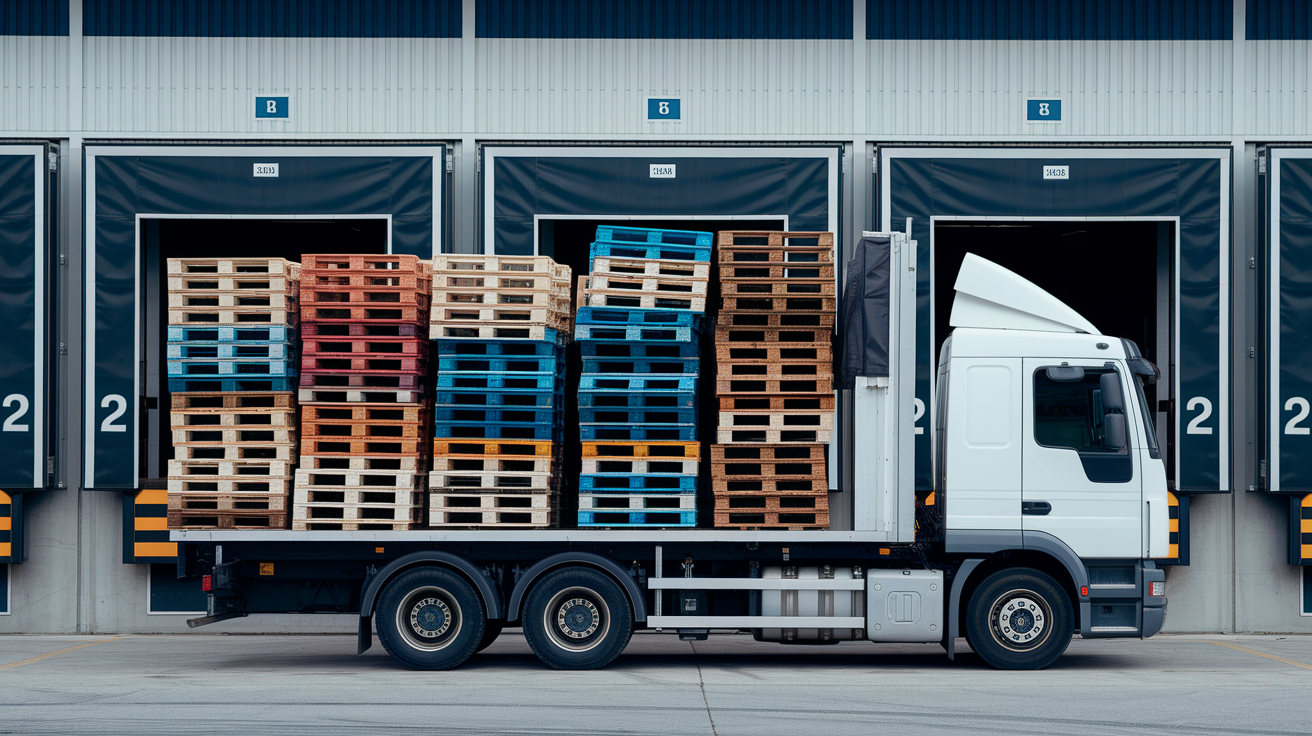

Is your LTL shipping quietly bleeding profit?
LTL (less than truckload) means you pay for the space you use, not a whole truck, so it should lower costs.
But freight class, density, accessorials, and lane pricing can blow up invoices fast.
This post shows how to compare carriers, spot the fees that matter, and cut freight costs without adding risk.
Read on for the quick checklist and lane-level checks you can run this week.
Core Explanation of Less Than Truckload Shipping
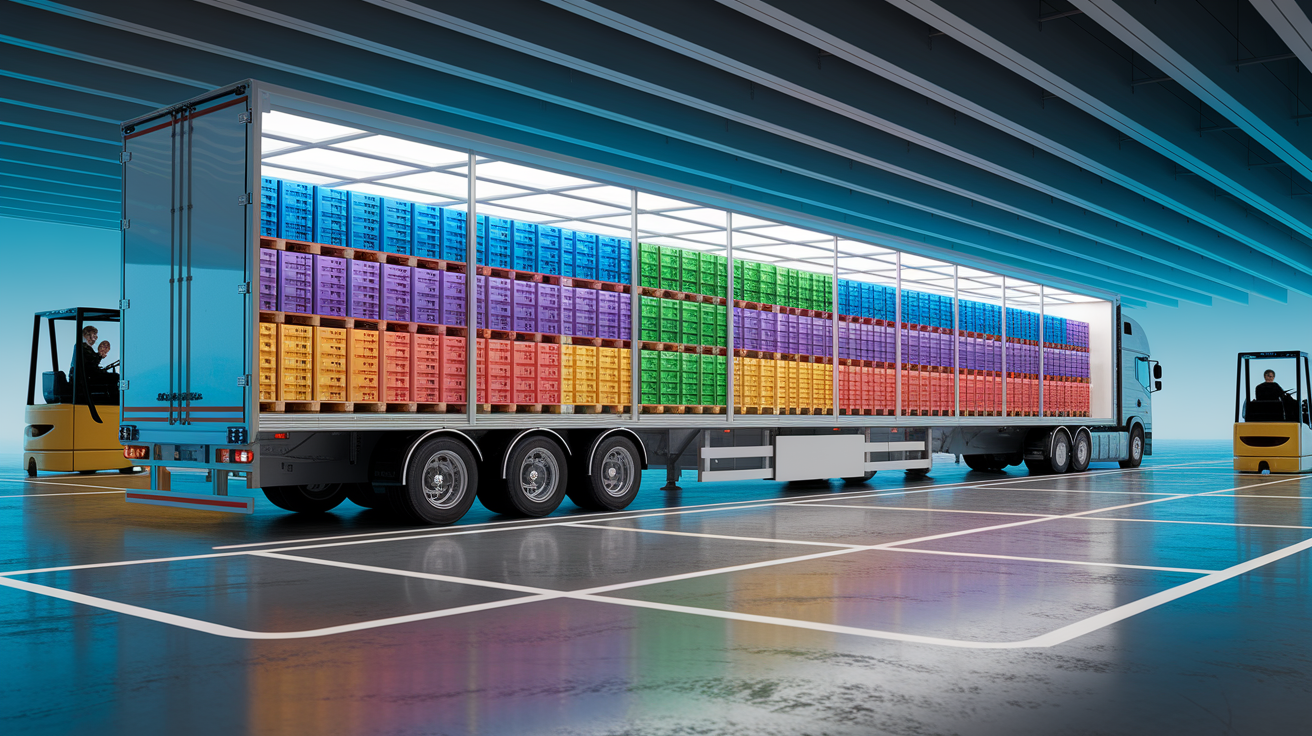
LTL shipping (less than truckload) combines freight from multiple shippers into a single trailer. You only pay for the trailer space your freight occupies, not the entire truck. Instead of booking and paying for an entire trailer, a business with six pallets shares space with three other shippers, each moving similar sized shipments. The carrier handles consolidating all loads, routing them through a terminal network, and getting everything delivered. This shared cost approach cuts waste and makes professional freight service accessible when you don’t fill full truckloads.
LTL typically handles shipments weighing between 150 and 15,000 pounds. Think one to ten pallets. The upper boundary shifts depending on freight density and trailer configuration, but once a shipment approaches 10,000 pounds or fills more than half a trailer, full truckload (FTL) becomes more cost effective. Within the LTL range, carriers price by space consumed, weight, distance, and freight classification. A shipment of four pallets totaling 6,000 pounds that takes up about 25 percent of a trailer’s capacity? That’s a typical LTL use case. Too large for parcel and too small to justify a dedicated truck.
The LTL process follows these core steps:
Pick up: The carrier collects freight at your dock or warehouse, often on a scheduled route shared with other stops.
Terminal sorting: Freight arrives at a local spoke terminal. Workers scan, weigh, and sort pallets by destination region or hub.
Hub and spoke movement: Pallets are loaded onto linehaul trucks and moved to regional or national hubs, then sorted again and routed toward the destination terminal.
Cross docking and transfers: Shipments may be transferred between trailers multiple times as they move through the network, with each transfer recorded and tracked.
Final delivery: Once freight reaches the destination terminal, a local driver delivers to the consignee, typically within a scheduled window or appointment.
Key Cost Drivers in LTL Shipping

LTL rates are built from multiple variables. Understanding them helps you avoid surprise charges and negotiate better contracts. The most influential driver is freight class, a standardized scale from Class 50 (dense, durable, low risk freight) to Class 500 (light, bulky, fragile, or high value items). Freight class is determined by density, stowability, handling difficulty, and liability. A pallet of steel bolts (high density, low class) costs less per pound than a pallet of pillows (low density, high class). Carriers use the National Motor Freight Classification (NMFC) system to assign classes, and you’ve got to declare the correct classification on the bill of lading to avoid reweigh fees and reclassification charges.
After freight class, weight and distance drive the base rate. Carriers price per hundredweight (CWT), and longer lanes cost more due to fuel, labor, and equipment time. Density matters beyond class assignment. If two shipments have the same weight but one occupies twice the cubic space, the bulkier shipment consumes more trailer capacity and draws a higher rate. Accessorial fees layer on top of the base charge and cover services such as liftgate, residential delivery, inside delivery, appointment scheduling, reweigh, and limited access locations. Lane demand and seasonality also influence pricing. Rates climb during peak retail seasons when capacity tightens.
Six primary cost factors determine the final LTL invoice:
Freight class: Classification from 50 to 500 based on density, handling, and liability.
Weight: Total shipment weight, often rounded to the nearest hundredweight.
Density: Cubic volume relative to weight. Lower density increases cost per pound.
Distance and lane: Origin to destination miles and carrier lane pricing zones.
Accessorial charges: Fees for liftgate, inside delivery, residential, appointment, reweigh, or special handling.
Fuel surcharge and minimum charge: Percentage based fuel adjustment and carrier imposed minimum rate per shipment.
Advantages of Choosing LTL for Freight Movement

LTL offers cost efficiency when you don’t need a full trailer. Instead of paying for 26 feet of empty space, a shipper moving three pallets pays only for those three pallet positions. This shared capacity model reduces waste and opens professional freight networks to smaller operations. Cost savings compound when shipments are frequent but irregular in volume. You can ship weekly or even daily without waiting to accumulate enough freight to fill a truck. LTL carriers also provide services such as liftgate pickup and delivery, inside delivery, and appointment scheduling, which FTL carriers may not offer or may price as expensive add ons.
Flexibility is another benefit. You can send small batches to multiple destinations in a single day, supporting just in time inventory strategies and faster order fulfillment. LTL carriers operate dense terminal networks with broad geographic coverage, enabling deliveries to rural or low volume lanes that dedicated FTL routing may not serve economically. The hub and spoke model scales across regions without requiring you to negotiate separate contracts for every lane.
Environmental impact is lower per pound shipped when trailer capacity is fully utilized across multiple customers. Consolidation reduces the number of partially loaded trucks on highways, cutting fuel consumption and emissions per shipment. Many carriers also offer guaranteed service tiers and tracking technology, giving you visibility and accountability comparable to parcel networks but at freight scale and price points.
LTL vs FTL: Understanding Which Option Fits Your Needs

LTL and FTL serve different shipment profiles. Selecting the right mode depends on volume, urgency, handling risk, and cost tolerance. LTL works best for partial loads, typically one to nine pallets or shipments under 10,000 pounds, when cost per pound matters more than transit speed. FTL becomes the better choice when freight fills or nearly fills a trailer (roughly 10 to 12 pallets or 10,000 to 15,000 pounds), when direct point to point transit reduces handling risk, or when time sensitive delivery windows can’t accommodate the extra days LTL routing may add. High value or fragile freight also favors FTL because fewer touches reduce damage risk.
| Mode | Best Use Case | Cost Range | Transit Speed |
|---|---|---|---|
| LTL | 1–9 pallets, under 10,000 lb, routine shipments | $75–$2,000+ depending on class, distance, and accessorials | 1–6 business days regional to cross country |
| FTL | 10+ pallets, 10,000+ lb, time sensitive or fragile freight | $1,000–$5,000+ depending on lane and equipment | 1–4 days direct, fewer stops |
| Partial Truckload (PTL) | 5–10 pallets, fills >50% but <100% of trailer | Between LTL and FTL, varies by carrier and lane | Faster than LTL, fewer touches than LTL |
| Parcel | Under 150 lb, small boxes, residential delivery | $10–$150 per package depending on weight, zone, and speed | 1–5 days depending on service tier |
Many shippers use both LTL and FTL depending on order size, seasonality, and inventory strategy. Retailers often ship replenishment stock via LTL during slow periods and switch to FTL for peak season volume. Manufacturers may use LTL for prototypes and small production batches, reserving FTL for full production runs and large customer orders.
Packaging and Preparation Requirements for LTL Freight
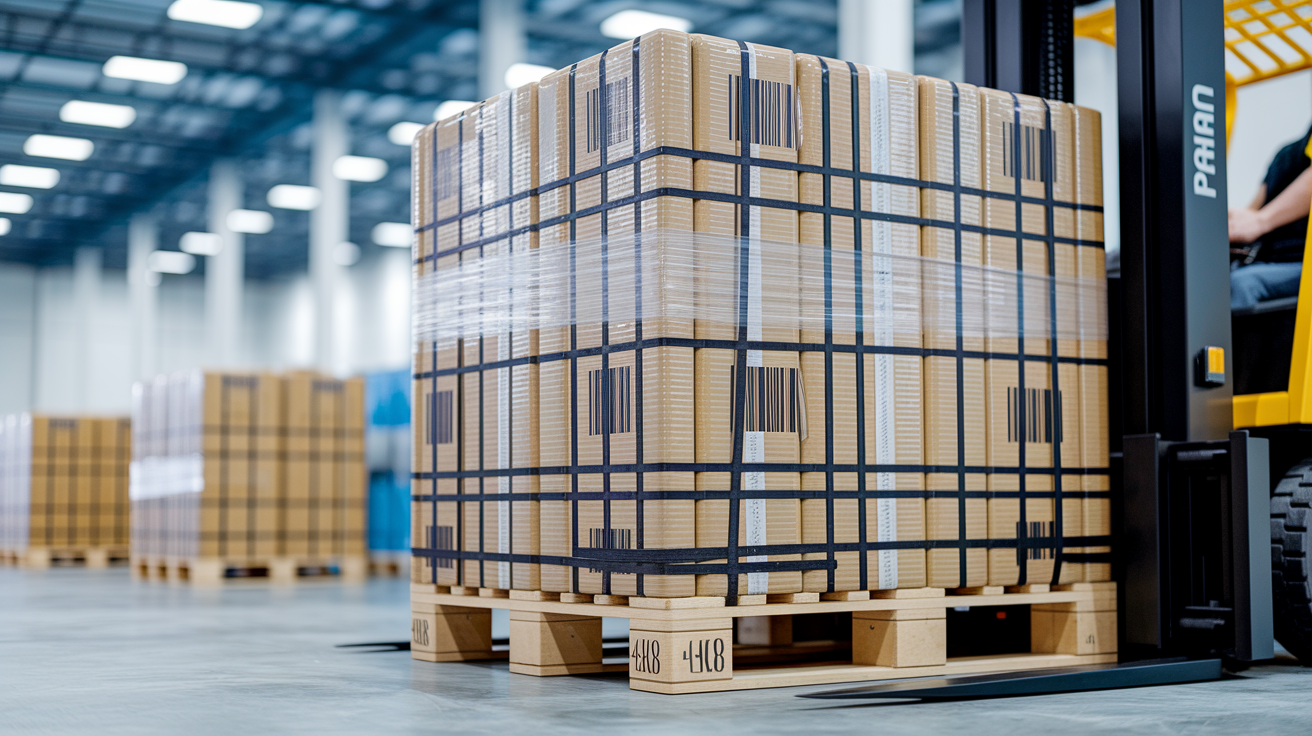
Proper packaging is essential in LTL shipping because freight is handled multiple times. Loaded, unloaded, sorted, and transferred across terminals and trailers. Poor packaging increases the risk of damage, delays, and claims disputes. Carriers expect freight to arrive palletized, unitized, and secured to withstand forklift handling, stacking, and movement over hundreds or thousands of miles. Correct preparation also speeds terminal processing and reduces the chance of reweigh or reclassification fees.
Palletization is the foundation. Standard 48 × 40 inch pallets are preferred because they fit carrier equipment and maximize trailer space. Freight should be stacked evenly, with heavier items on the bottom and lighter items on top, and the load shouldn’t overhang the pallet edges. Stretch wrap binds the load to the pallet. Apply at least four to six tight wraps around the base and work upward, overlapping each pass. For taller or heavier loads, add corner protectors and banding straps to prevent shifting. If freight isn’t palletized (such as crated machinery or large equipment) make sure it’s stable, labeled clearly, and documented accurately on the bill of lading.
Labeling and documentation close the preparation loop. Every pallet or piece must carry a label with the shipper’s name, consignee’s name, destination address, and a unique tracking or reference number. Place labels on at least two sides at a height visible to terminal workers. The bill of lading (BOL) must list the total piece count, weight per piece, dimensions, freight class, and declared value. Inaccurate BOLs trigger reweigh fees and shipment delays. Include handling instructions for fragile, temperature sensitive, or hazardous materials, and keep a signed copy of the BOL as proof of shipment condition at pickup.
Five preparation steps to follow for every LTL shipment:
Palletize and unitize: Stack freight on standard pallets, distributing weight evenly and keeping the load within pallet edges.
Secure with stretch wrap and banding: Apply multiple tight layers of stretch film and add straps or corner protectors for tall or heavy loads.
Label clearly on multiple sides: Attach labels with shipper, consignee, destination, and tracking number at forklift operator eye level.
Complete an accurate bill of lading: List correct piece count, weight, dimensions, freight class, declared value, and any special instructions.
Inspect and photograph before pickup: Document the condition and packaging of the shipment to support any future damage claims.
Typical Transit Times and Factors That Affect Delivery Speed

LTL transit times vary by distance, carrier network density, terminal efficiency, and external conditions. The hub and spoke model trades speed for cost savings. Freight moves through terminals and is transferred between trucks, adding time compared to direct FTL routes. Regional shipments within 500 miles commonly deliver in one to two business days. Mid range lanes covering 500 to 1,500 miles typically take two to four business days. Cross country shipments spanning 1,500 miles or more generally require four to six business days, though express or guaranteed options can shorten delivery windows at a premium.
Carriers publish estimated transit guides by lane, but actual performance depends on operational factors and real world disruptions. Driver hours of service regulations limit driving time and mandate rest periods, which affect linehaul schedules. Route density and population also matter. Freight moving through high volume hubs benefits from frequent departures and optimized sorting, while shipments to rural or low frequency lanes may wait for consolidation. Each terminal transfer adds time. Shipments routed through one hub arrive faster than those passing through two or three hubs.
Four common factors that slow LTL delivery:
Terminal congestion and sorting delays: High shipment volumes during peak seasons or staffing shortages can slow sorting and cross docking.
Weather and road conditions: Snow, ice, flooding, or road closures force route changes and delay pickups or linehaul schedules.
Equipment failures and driver shortages: Mechanical breakdowns or tight driver capacity reduce available trucks and push shipments to later departures.
Inaccurate documentation or address issues: Missing suite numbers, closed facilities, or incorrect freight class trigger holds and require shipper correction before delivery resumes.
Selecting the Right LTL Carrier

Choosing an LTL carrier requires evaluating network reach, service reliability, pricing structure, technology capabilities, and claims performance. Not all carriers operate in every region or lane. National carriers offer broad coverage but may subcontract last mile delivery in remote areas, while regional carriers provide denser service and faster transit in their core territories. Service reliability is measured by on time pickup and delivery percentages, damage rates, and claims responsiveness. Carriers with modern equipment, trained handling staff, and well maintained terminals tend to deliver cleaner freight and fewer headaches.
Pricing transparency matters. Some carriers publish base rate tariffs and accessorial fee schedules, while others require negotiated contracts or use dynamic pricing models that adjust by lane and demand. You should request detailed quotes that break out base freight charges, fuel surcharges, and accessorial fees to compare apples to apples. Technology capabilities (such as online quoting, digital bill of lading creation, real time tracking, proof of delivery uploads, and integration with transportation management systems) improve operational efficiency and reduce manual work. Carriers that offer API access or EDI compatibility streamline order processing and visibility for shippers managing high shipment volumes.
Damage rates and claims handling are critical for long term cost control. Request carrier claims ratios and average claims processing timelines during the selection process. Carriers with low damage rates invest in better terminal procedures, equipment, and training. Responsive claims teams that process valid claims quickly reduce cash flow disruption and administrative burden. Customer support responsiveness (measured by ease of reaching live representatives, after hours availability, and proactive communication during delays) separates good carriers from frustrating ones.
Carrier Evaluation Checklist
Network reach and lane coverage: Confirm the carrier serves both origin and destination regions directly or with reliable partners.
Pricing transparency and contract terms: Request itemized quotes, published accessorial fees, and clear fuel surcharge formulas. Negotiate volume discounts if applicable.
Service guarantees and transit commitments: Check if the carrier offers guaranteed delivery windows and what penalties or refunds apply for missed commitments.
Technology and integration capabilities: Verify availability of online quoting, TMS integration, real time tracking, digital BOL, and API or EDI connectivity.
Damage and claims performance: Ask for recent damage rate statistics, claims processing timelines, and references from shippers moving similar freight.
Customer support responsiveness: Test support availability by calling during and after business hours. Evaluate proactive communication during disruptions and ease of escalation for urgent issues.
Final Words
We broke down how LTL shipping works: it combines multiple shippers’ freight into one truck, handles 150–15,000 lb loads, and relies on terminal routing and consolidation.
That matters because pricing hinges on freight class, weight/density, distance, and accessorials. Packaging and carrier choice shape transit time and damage risk.
Next steps: audit top SKUs for weight and density, tighten palletizing and labeling, compare carriers on on-time and damage rates, and run a lane test. Do this and you’ll lower cost and improve reliability with ltl shipping.
FAQ
Q: What does LTL mean for shipping?
A: LTL for shipping means “less-than-truckload” freight: multiple shippers’ loads are combined in one trailer so each pays only for the space used, typically for shipments between 150 and 15,000 pounds.
Q: What is the cheapest way to ship LTL?
A: The cheapest way to ship LTL is to increase density and palletize to lower freight class, avoid accessorial fees, consolidate shipments, and compare carrier lanes or use a freight marketplace for better rates.
Q: Is FedEx considered LTL?
A: FedEx is considered LTL when shipped via FedEx Freight; FedEx Ground and Express are parcel services, not LTL, so use FedEx Freight for partial-truck freight and heavier pallets.
Q: What are the slowest months for freight?
A: The slowest months for freight are typically January and February after holiday demand dips; some lanes also slow in July–August. Watch lane-specific seasonality and adjust capacity or pricing accordingly.