
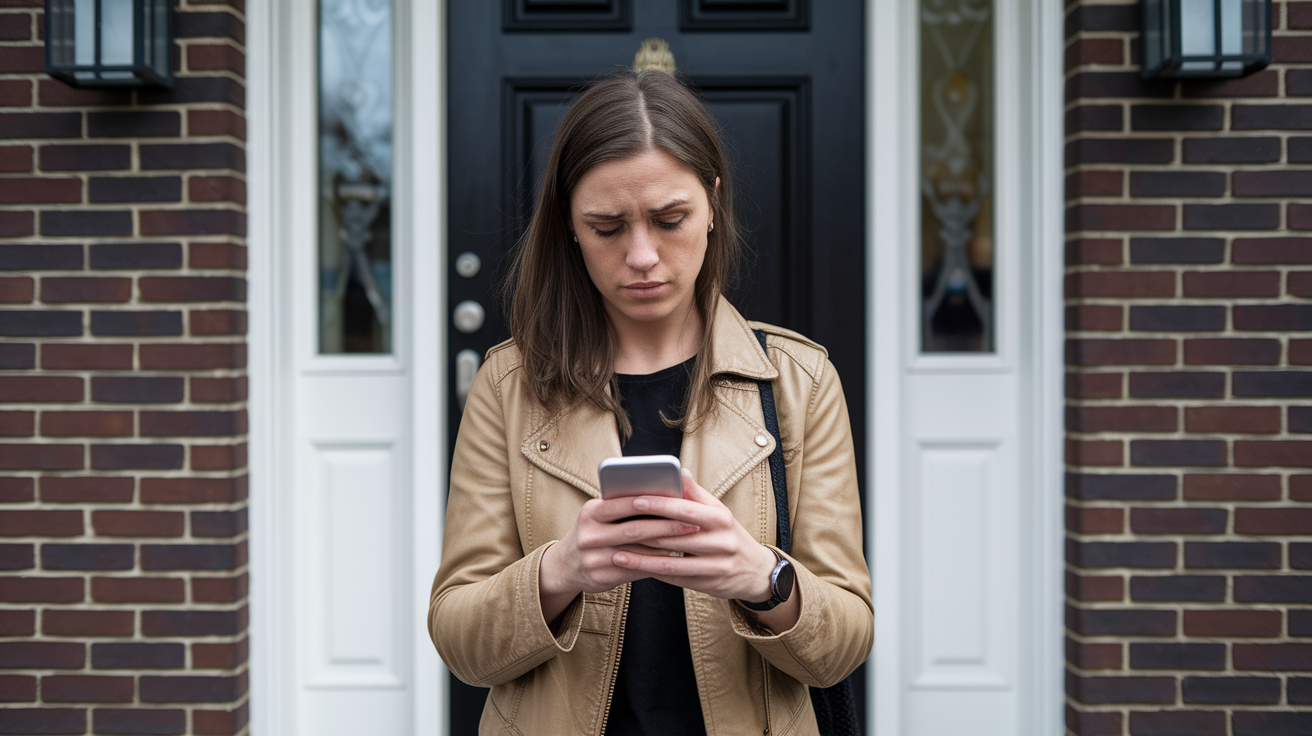

An 84% chance a poor delivery ends the customer relationship.
Last-mile delivery delays are the main trigger.
They matter because delivery is the only time most customers physically touch your brand, and failure reads as unreliable.
Visibility and proactive updates decide whether a short delay becomes permanent churn.
This post shows how last-mile delays drive churn, where operations fail, and the prevention strategies—real-time tracking, proactive notifications, backup carriers, flexible windows, and clear compensation rules—you can test this week to stop customers from leaving.
Core Effects of Delivery Delays on Customer Loss and Required Mitigation Responses
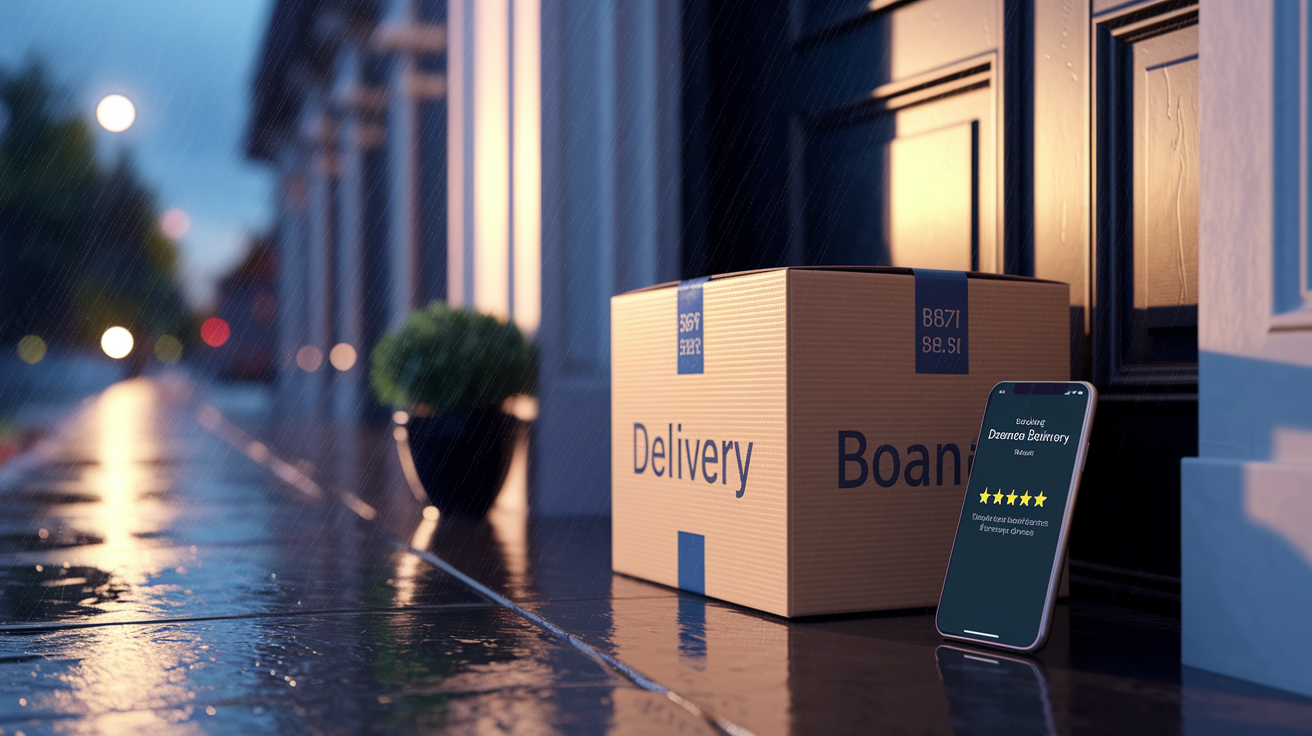
A poor delivery experience ends the customer relationship 84% of the time. This 2023 study shows what logistics teams already know: when a package shows up late, damaged, or doesn’t show up at all, the customer’s gone. The reason is simple. Delivery is the only time most customers physically touch the brand, and screwing that up reads as unreliable. The cost goes way beyond one lost order. High-value customers who bail after a single delay take all their future margin with them, drive up what you’ll spend replacing them, and usually blast their frustration somewhere public.
Visibility and proactive updates decide whether a small delay turns into permanent churn. Customers can handle short delays if they get accurate ETAs and timely heads-ups, but that tolerance disappears fast when tracking goes dark or nobody answers. Transparency builds trust. Trust keeps frustration in check. A fifteen-minute delay with a live ETA and an apology text saves the relationship. That same delay with radio silence triggers a support call, a bad review, and a decision to try someone else.
Reputational damage turns one bad delivery into dozens of lost conversions. One frustrated customer posts about their late package on social or a review site, and hundreds of potential buyers see it before they ever click checkout. The delay hits one order. The viral complaint kills conversion across everyone who runs into that post. These channels work in real time now, so the window to fix things before it spreads keeps shrinking.
Five churn triggers tied to delivery:
- Package arrives outside the promised window with no warning.
- Tracking shows nothing or gives wrong location data.
- Customer has to reach out first to fix a delay or missed attempt.
- Package needs multiple tries because of bad scheduling or no communication.
- Damaged items arrive and nobody acknowledges it or offers a fast replacement.
Operational Drivers and Reliability Metrics Influencing Churn

On-time delivery rate and first-attempt success rate matter most for keeping customers happy and getting them to buy again. On-time rate measures how many deliveries land inside the promised window. First-attempt success tracks packages delivered on the first try, no second visit needed. Both directly affect churn because every failure or late arrival adds friction, forces customers into problem-solving mode, and signals you can’t be trusted. You need 95% or better on-time and under 3% failed deliveries to stay below that 84% churn line.
Delays come from five main places. Urban traffic slows things down unpredictably, especially during rush hours in dense cities. Bad routing wastes time and fuel when drivers follow terrible sequences or use outdated maps, pushing deliveries past their windows. Scheduling conflicts happen when delivery windows don’t match when customers are actually home, causing missed connections and repeat trips. Customer unavailability at drop-off, especially for signature-required stuff, triggers failures and re-delivery loops. Peak-season overload, when order volume crushes network capacity, compresses windows and overwhelms last-mile fleets, creating system-wide delays and a spike in churn.
Network design controls how often delays happen and how fast you recover. Fulfillment proximity, the distance between your warehouse and the customer’s address, sets baseline delivery time and your margin when things go wrong. Inventory logic that sends orders from the nearest location shortens transit, cuts handoffs, and reduces delay frequency. Returns processing speed affects post-delivery satisfaction and whether a customer reorders after a problem. Acknowledge returns in 24 to 72 hours and close the loop fast to cut friction and keep the relationship intact.
| Operational Factor | Customer Impact | Churn Risk Level |
|---|---|---|
| Timeliness (on-time delivery rate) | Builds trust and sets expectations for future orders | High when below 90% |
| Failed delivery attempts | Forces rescheduling, delays gratification, adds uncertainty | Very high after second failure |
| Handling and service quality | Damaged goods or unprofessional interaction erodes brand perception | High if damage rate exceeds 2% |
| Returns processing speed | Slow acknowledgment amplifies frustration after a product issue | Moderate when >72 hours |
Customer Behavior Patterns Under Delivery Stress and Their Influence on Churn

Customers care more about visibility than speed. A two-day delivery with real-time tracking and solid ETAs creates less stress than same-day with no updates and a vague arrival window. Uncertainty kills confidence, and confidence drives retention. When customers can’t see where their package is or when it’ll show up, they assume the worst, call support, and start looking at alternatives.
Emotional responses to delays spike fast when there’s no communication. A short delay with a proactive text acknowledging the issue, giving a new ETA, and offering a contact channel keeps things calm. Same delay with no outreach? Escalation. The customer refreshes tracking over and over, calls support, posts a complaint, and mentally files your brand under “unreliable.” Over 70% of customers say they’re more likely to reorder after a friendly, empathetic delivery interaction, which means human touchpoints and transparency can flip a potential churn into loyalty.
Trust starts breaking with the first unmet promise and gets worse with each new failure. One late delivery might not cause immediate churn if the customer thinks it’s a fluke, but a second delay confirms a pattern. After that, even small friction like slow support, confusing return instructions, or robotic apologies speeds up the exit.
Four triggers that turn delays into churn:
- Customer gets zero warning about a delay and only finds out by checking tracking or missing the delivery.
- Tracking contradicts the promised ETA, creating confusion and forcing them to ask what’s going on.
- Support after a delay is slow, scripted, or doesn’t offer anything real to fix it.
- Delays repeat within 60 or 90 days, proving it’s not a one-time mistake.
Proven Mitigation Tactics to Reduce Delivery-Driven Churn

Real-time tracking with dynamic, traffic-adjusted ETAs cuts churn by killing uncertainty. Customers who can watch live vehicle location and get automatic updates when things change tolerate short delays without freaking out. Dynamic ETAs that adjust for traffic, weather, or route shifts beat static windows because they reset expectations in real time instead of letting the customer think you failed. Operators using GPS-level tracking and pushing ETA updates via text, email, or app see fewer support calls and post-delivery complaints.
Proactive communication turns delay management from crisis control into relationship protection. When you spot a delay, whether from traffic, a missed attempt, or a sortation jam, reach out before the customer notices. That prevents the trust break. A quick message explaining the cause, giving a new ETA, and offering a rescheduling link or direct contact keeps them in control and shows you’re on it. Operators who contact customers within an hour of detecting a delay see better satisfaction scores and less churn than those who wait for customers to reach out.
Backup carrier networks and flexible delivery windows give you resilience during peak periods and disruptions. Multi-carrier orchestration lets you reroute capacity when your main carrier hits delays, cutting the risk of total failures during high-volume windows or local issues. Offering same-day, evening, and weekend slots boosts first-attempt success by matching customer availability, which reduces failed deliveries and the re-delivery cycles that drive churn.
Compensation frameworks and delivery guarantees give customers something real when delays happen. A clear policy, like partial refunds for late deliveries, fast replacement for damaged goods, or percentage discounts for repeat problems, turns a bad moment into proof you’re accountable. Customers who get prompt, fair compensation after a delay are more likely to reorder than those who just get an apology.
| Mitigation Tactic | Mechanism | Customer Impact |
|---|---|---|
| Real-time tracking + dynamic ETA | Live GPS updates and traffic-adjusted arrival times | Reduces uncertainty and pre-emptive support calls |
| Proactive delay notification | Outbound message within 1 hour of detected delay | Maintains trust and prevents escalation |
| Backup carrier routing | Multi-carrier network reroutes capacity during disruptions | Improves on-time rate during peak periods |
| Flexible delivery windows | Same-day, evening, weekend slots + self-service rescheduling | Increases first-attempt success and reduces failed deliveries |
| Compensation and guarantees | Refund, discount, or expedited replacement for late/damaged shipments | Converts delay into loyalty opportunity via accountability |
Technology Stack and Data Models That Prevent Last-Mile-Induced Churn

Live tracking platforms, AI routing, and predictive delay models form the core tech stack for stopping churn. Live tracking uses GPS from delivery vehicles to create real-time location data and dynamic ETAs, feeding visibility to customers and ops teams at the same time. AI and machine learning routing pulls in traffic patterns, historical delivery times, weather forecasts, and delivery density to sequence stops in ways that cut drive time and boost on-time rates. Predictive delay models analyze real-time inputs like vehicle location, traffic speed, and remaining stops, then flag at-risk deliveries before they miss their window. That triggers proactive communication and rerouting.
Churn prediction models need delivery performance data tied to customer behavior. You’ve got to link timestamped delivery events (promised ETA, actual arrival, delay length, failed-attempt codes, proof of delivery) to post-delivery metrics like Net Promoter Score, satisfaction surveys, repeat-purchase rate at 30, 60, and 90 days, and complaint or refund volume. Building this dataset lets you quantify churn probability based on delay type and test which fixes work best.
Four dataset categories for churn-prevention modeling:
- Delivery event logs: timestamps for order placement, dispatch, estimated and actual arrival, proof of delivery, delay reason codes.
- Customer feedback and sentiment: post-delivery NPS or satisfaction scores, survey responses, support ticket volume and resolution time, social mentions.
- Repeat-purchase and lifetime-value metrics: order frequency before and after delivery incidents, customer lifetime value by cohort, churn attribution by delay type.
- Carrier and route performance: carrier-level on-time rates, ETA accuracy, vehicle utilization, cost per delivery by zone and time window.
Carrier and Network Design Governance for Reducing Delay Frequency and Churn

Multi-carrier platforms let you route capacity based on real-time carrier performance, regional issues, and cost. Instead of locking all volume into one carrier contract, you spread shipments across regional, national, and specialty carriers. That keeps backup capacity ready and gives you flexibility to shift volume when one carrier hits delays or runs out of room. This cuts systemic risk. If one carrier’s network crashes during a storm or peak event, orders automatically reroute without customers seeing delays.
Carrier performance management means tracking on-time rates, ETA accuracy, failed-delivery frequency, communication quality, and cost per parcel at the individual carrier and route level. Contracts should have service-level agreements with financial penalties for missed benchmarks and escalation paths for repeat issues. Regular audits, quarterly reviews, and scorecards visible to procurement and ops teams catch underperforming carriers early so you can shift capacity to better partners. Treating carrier governance as continuous improvement instead of a one-time decision reduces delays, improves satisfaction, and lowers long-term churn.
Customer Communication, Apology, and Recovery Strategies After Delays

Proactive outreach right after detecting a delay sets the recovery tone. When a delivery’s flagged as late (traffic, failed attempt, sortation issue), the first message should acknowledge it, explain what happened in plain language, give a new ETA, and offer a direct contact channel or self-service rescheduling link. Speed matters. Reach out within an hour to stop the customer from finding out on their own and assuming you don’t care. Transparency and control cut frustration even when you can’t reverse the delay.
Apology messages need to be specific, human, and tied to something real. Generic “sorry for the inconvenience” templates feel like you don’t care and often make things worse. Good apologies name the problem, take responsibility, and outline the next step. Personalized compensation (based on delay length, customer value, incident history) shows the relationship matters more than the cost of the gesture. Customers who get fast, tailored recovery offers after a delay stick around more than those who just get scripts.
Post-delay retention campaigns target customers who had late or failed deliveries in the past 30 to 60 days. These use segmented messaging that acknowledges what happened, highlights improvements since, and offers incentives to get them buying again. Mix a percentage discount, expedited shipping on the next order, or loyalty points with a quick explanation of what you fixed. That signals accountability and rebuilds trust.
Four-step communication after a delay:
- Immediate acknowledgment within an hour of detecting the delay, including cause, new ETA, contact or rescheduling option.
- Follow-up when the package’s back on track or delivered, confirming resolution and thanking them for patience.
- Post-delivery survey or NPS request 24 to 48 hours after arrival, collecting feedback and spotting high-risk customers based on low scores.
- Targeted retention offer 7 to 14 days after the incident to at-risk customers, combining an apology with a real incentive and a brief note on operational improvements.
KPIs, Reporting Cadence, and Churn Attribution Models for Delivery Teams

Measuring churn from delivery performance means linking delay events to customer behavior over time. Track not just aggregate on-time rates but also repeat-purchase rate and churn rate broken down by delivery outcome. Customers with on-time deliveries should hit a baseline repeat rate. Those with delays should show a measurably lower rate. The gap quantifies delivery-driven churn. Cohort analysis by delay length, frequency, and recovery tactic lets you isolate which failures carry the highest churn risk and which fixes generate the best retention lift.
Post-delivery surveys and Net Promoter Score tracking give early warnings before churn happens. Collect NPS or satisfaction scores within 24 to 72 hours of delivery and segment by on-time versus late. That reveals the satisfaction gap delays create. Customers who rate a late delivery poorly but haven’t churned yet become immediate retention targets. Track survey response rates, average scores by delivery outcome, and the correlation between low scores and future purchases to prioritize recovery and measure ROI on churn-prevention efforts.
Reporting cadence should match operational cycles and customer behavior windows. Weekly dashboards tracking on-time rate, failed-delivery rate, average delay length, and post-delivery NPS give delivery teams real-time visibility and let you respond fast to emerging issues. Monthly reports add cohort-level churn analysis, repeat-purchase rates by delivery outcome, and cost-to-serve breakdowns. Quarterly business reviews tie delivery performance into customer lifetime value modeling and inform contract negotiations, carrier portfolio changes, and tech investment.
| KPI | Definition | Target | Churn Link |
|---|---|---|---|
| On-time delivery rate | Percentage of deliveries completed within promised window | 95% or higher | Rates below 90% correlate with elevated churn in following 30 days |
| Failed delivery rate | Percentage of shipments requiring multiple delivery attempts | Below 2–3% | Second failed attempt sharply increases churn probability |
| Post-delivery NPS | Net Promoter Score collected 24–72 hours after delivery | Segment by on-time vs. late; track delta | NPS drop of 20+ points after delays predicts churn within 60 days |
| Average delay duration | Mean time between promised and actual delivery for late shipments | Under 4 hours for same-day; under 24 hours for standard | Delays exceeding one day double churn risk |
| Repeat purchase rate by delivery outcome | Percentage of customers who reorder within 90 days, segmented by delivery result | On-time baseline; late cohort within 10 percentage points | Repeat rate delta directly quantifies delivery-driven churn |
Final Words
Late packages turn loyal buyers into churn fast. Low visibility and reactive comms amplify the damage, and reputational spread multiplies the loss.
We mapped the operational drivers (routing, inventory, peak strain), the tech fixes (real‑time tracking, predictive ETAs), and the carrier and communication moves that stop the bleed. Start with a 2‑week audit of on‑time rate, failed deliveries, and post‑delivery NPS.
Use this checklist: understanding the impact of last-mile delivery delays on customer churn and mitigation tactics gives you clear, testable steps to protect revenue.
FAQ
Q: How do last‑mile delivery delays drive customer churn?
A: Delivery delays drive churn: 84% won’t return after a poor delivery experience because delays erode trust, cut repeat purchases, and amplify via social proof. First step: audit top SKUs’ last‑mile failure rates.
Q: Which delivery metrics correlate most with churn and what targets should we use?
A: The delivery metrics that matter are on‑time rate, first‑attempt success, failed delivery rate, delay duration, and post‑delivery NPS; track targets (95%+ on‑time, <2–3% failed) and link to repurchase.
Q: What operational factors cause delivery delays and how should we prioritize fixes?
A: The main operational delay causes are traffic, routing inefficiency, scheduling conflicts, customer unavailability, and inventory distance; prioritize route optimization, dynamic rerouting, carrier redundancy, and distributed micro‑fulfillment to cut delays fast.
Q: How do visibility and communication affect churn risk?
A: Visibility and communication change churn risk because low transparency makes small delays feel worse; proactive tracking, real‑time ETAs, and 1‑hour delay notifications reduce frustration and lower churn probability.
Q: How do delivery failures spread reputational damage beyond the original customer?
A: Reputational spread happens when customers post complaints on social and review sites, multiplying churn beyond the original order; monitor mentions, respond publicly, and run targeted retention for exposed cohorts.
Q: What mitigation tactics most effectively reduce delivery‑driven churn?
A: Mitigation tactics that reduce churn include real‑time tracking, dynamic ETAs, proactive outreach, self‑service rescheduling, multi‑carrier routing, and measured compensation; aim for quick notifications and clear recovery offers.
Q: What technology and data do we need to predict and prevent delivery‑driven churn?
A: Preventative tech needs live tracking, AI/ML routing, predictive delay models, ETA deltas, reason codes, POD capture, and churn prediction tied to NPS and repurchase behavior for early intervention.
Q: How should carriers and network design be governed to lower delay frequency?
A: Carrier governance should use multi‑carrier orchestration, SLAs for on‑time and ETA accuracy, regular performance audits, regional carrier selection, and contractual penalties or incentives to maintain reliability.
Q: What is the ideal customer communication and recovery sequence after a delay?
A: The post‑delay sequence is: notify proactively, explain cause and ETA, offer reschedule or compensation, confirm resolution, then survey; this order reduces churn and recovers trust when executed quickly.
Q: How do we measure and attribute churn specifically to delivery performance?
A: To attribute churn to delivery, combine timestamps, delay duration, NPS/CSAT, complaint volume, and repurchase rates into a weekly model and cohort analysis to quantify delivery‑linked revenue loss.