


What if you could cut payment fees by up to 90%?
Open banking payments send money straight from a customer’s bank to yours.
No card networks, no interchange, no chargebacks.
That usually means flat fees of £0.10–£0.50 or about 0.1%–0.3%, instead of 1.5%–3.5% on cards.
For merchants processing thousands of orders, that’s real margin recovery and faster cash flow.
If you run an online store, this isn’t hypothetical: test open banking on a few top SKUs and measure the savings.
Cost Advantages of Open Banking Payments for Ecommerce
Card payment fees eat into your gross margins faster than you probably think. A typical credit card transaction runs you 1.5% to 3.5% plus a fixed fee somewhere between £0.20 and £0.30. Process thousands of orders and those numbers add up fast. Open banking payments work differently. They route funds straight from your customer’s bank to yours. No card network. No issuing bank. No scheme fees. You’re looking at transaction costs between £0.10 and £0.50 per payment, or roughly 0.1% to 0.3% of order value. That’s 70 to 90% lower than what you’re paying on cards.
The savings get better when you count what doesn’t show up on your processing statement. Chargebacks on card transactions cost merchants £5 to £15 per event, and that’s before you factor in lost merchandise and the hours spent dealing with disputes. Open banking payments kill chargebacks completely. The customer authenticates the transaction directly with their bank before any money moves. Fraud losses drop too. Card-not-present fraud made up 63% of total card fraud value in the European Economic Area in 2022, and open banking removes that attack vector entirely because there are no card details to steal.
Settlement speed creates another margin lift. Card payments can take three days to clear. That ties up working capital and delays your ability to restock or reinvest. Open banking payments settle instantly or near-instantly on rails like UK Faster Payments and SEPA Instant. Faster access to revenue means you turn inventory faster, lean less on credit lines, and react quicker when demand spikes.
Where the cost savings come from:
- No card network fees: you cut out Visa, Mastercard, and Amex interchange and scheme charges
- Direct bank routing: no acquirers, issuing banks, or gateway markup layers
- Zero chargeback fees: you eliminate £5 to £15 per dispute plus admin time and lost goods
- Instant settlement: cash flow improves and days sales outstanding shrinks
- Lower fraud exposure: authentication happens at the bank level, preventing card-not-present fraud
How Open Banking Payments Function in an Online Store

The checkout flow starts when a customer picks “Pay by Bank” at the payment step. Your ecommerce platform or payment service provider sends a request to the customer’s bank through a Payment Initiation Service Provider. The customer gets redirected to their banking app or web interface, where they authenticate using biometric login or another strong customer authentication method required by regulations like PSD2. Once authenticated, the customer confirms the payment amount and merchant details. The bank immediately debits the customer’s account and credits yours.
The whole thing usually takes two to three clicks and wraps up in under 30 seconds. Mobile flows using App2App redirects report conversion rates between 75% and 85% in the UK. That compares well to card checkout where 3D Secure friction and declined transactions pull conversion down to around 85% or lower. QR code flows work for in-person kiosks or cross-device checkout. Direct web redirects handle desktop sessions.
Settlement happens in real time on instant payment rails. UK Faster Payments supports transactions up to £250,000 and clears within seconds. SEPA Instant in the EU delivers the same speed for cross-border European transactions. Cards batch transactions and can delay funds by multiple business days depending on your processor and banking setup.
Detailed Fee Comparison With Cards, PayPal, and BNPL

Every basis point matters when margins are thin and order volumes are high. You need to know where your current payment stack extracts value so you can model what switching to open banking will save.
| Payment Method | Typical Fees |
|---|---|
| Credit/Debit Cards | 1.5%–3.5% + £0.20–£0.30 per transaction |
| PayPal | 2.9% + fixed fee |
| Buy Now, Pay Later | 4%–7% per transaction |
| Open Banking | £0.10–£0.50 flat or ~0.1%–0.3% |
A £100 order processed by card at 2.5% costs £2.50 plus £0.20, totaling £2.70. The same transaction via open banking might cost £0.30. You save £2.40 per order. Scale that across 10,000 monthly transactions and you’re saving £24,000 annually. BNPL fees are the most expensive option. Merchants give up 4% to 7% of each sale in exchange for improved conversion and deferred consumer payment, but the margin hit is steep. Open banking delivers similar or better conversion without the percentage take, especially on higher-ticket items where percentage fees multiply fast.
Implementation Steps for Ecommerce Merchants

Getting open banking live in your checkout requires coordination between your platform, a payment service provider, and your bank. But the process is more straightforward than migrating payment processors.
- Select a Payment Initiation Service Provider that supports the markets and banks your customers use. Confirm they offer APIs or plug-ins for your ecommerce platform.
- Sign up and complete compliance onboarding, which typically includes business verification, anti-money laundering checks, and agreement to terms.
- Integrate the provider’s API or install the plug-in into your checkout flow. Most providers supply SDKs for Shopify, WooCommerce, Magento, and similar platforms.
- Configure payment options in your checkout settings to display “Pay by Bank” alongside card and other methods. Customize branding and messaging as needed.
- Set up reconciliation and refund workflows, making sure your order management system can handle instant settlement and initiate refunds via the provider’s API.
- Run test transactions in sandbox mode across multiple banks and device types to confirm redirect flows, authentication, and settlement work as expected.
- Go live and monitor key metrics: track adoption rate, conversion rate, transaction success rate, settlement speed, and any customer support issues.
End-to-end implementation usually takes two to four weeks depending on platform complexity and internal approval processes. Testing should cover mobile App2App flows, desktop web redirects, and edge cases like session timeouts or failed authentications. Once live, most merchants see open banking capture around 20% of total payment volume within the first few months when prominently offered at checkout.
Security, Authentication, and Compliance Requirements

Open banking is structurally more secure than card payments because it removes the storage and transmission of sensitive card data. Customers authenticate directly with their bank using strong customer authentication, typically biometric fingerprint, face recognition, or multi-factor codes mandated under PSD2 in Europe and similar regulations elsewhere. The merchant never sees the customer’s bank credentials or account number. That removes the risk of data breaches that expose payment information.
Fraud risk drops sharply because each transaction requires real-time authentication at the bank level. Card-not-present fraud, which made up 63% of card fraud value in the EEA in 2022, doesn’t apply to open banking payments. There are no card numbers to steal, no CVV codes to guess, and no stored tokens to compromise. Chargebacks also disappear. Once a customer authenticates a payment with their bank, they can’t dispute it as unauthorized. Disputes over goods or services still exist, but the structural chargeback mechanism that card issuers use to reverse payments doesn’t apply. You save the £5 to £15 fee per chargeback plus the cost of lost goods and admin time.
Supported Countries and Regulatory Landscape
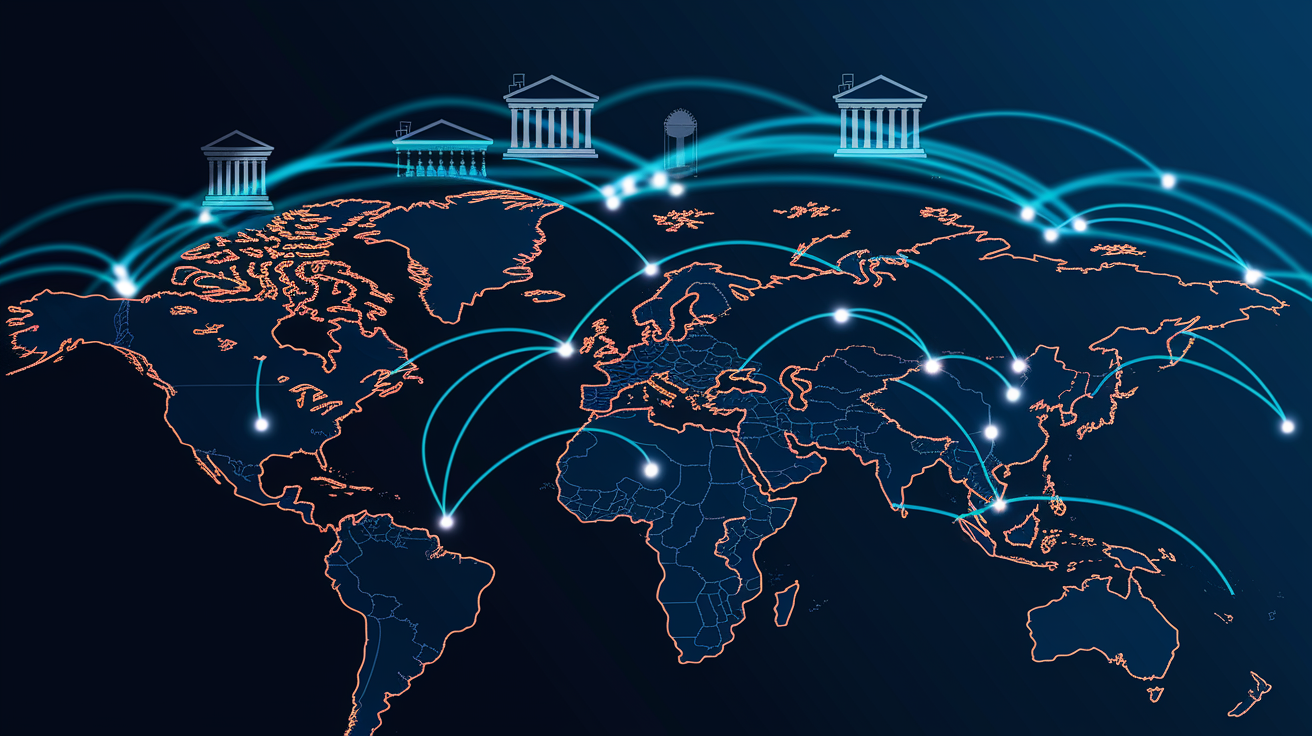
Open banking payments are most mature in markets with strong regulatory frameworks and instant payment rails. The UK and European Union lead adoption under PSD2, which requires that banks provide third-party access to customer accounts with consent. This regulatory foundation enabled rapid growth. UK open banking transactions grew nearly 500% year over year, reaching 2.6 million payments in September 2021. Juniper Research projects global open banking payment value will exceed $116 billion by 2026, up from $4 billion in 2021.
Key markets and adoption status:
- United Kingdom: mature market with Faster Payments rail supporting instant settlement up to £250,000
- European Union: SEPA Instant enables real-time euro transfers across member states under PSD2
- Australia: Consumer Data Right framework supports open banking, with payment initiation expanding
- Canada: open banking policy framework in development. Some payment providers already operational
- Brazil: Pix instant payment system widely adopted. Open banking regulations enable account access
- United States: regulatory fragmentation. FedNow and RTP rails operational but open banking adoption slower than Europe
Coverage within each country varies by bank participation and payment rail integration. Providers serving ecommerce typically connect to 2,000+ banks across 28 countries, but confirm your target markets and customer banks are supported before you commit to a provider.
Compatible Ecommerce Platforms and Plug-ins
Most major ecommerce platforms support open banking through payment service provider plug-ins or direct API integrations. The implementation method depends on your platform’s architecture and how much control you want over the checkout experience.
| Platform | Integration Method |
|---|---|
| Shopify | Install provider app from Shopify App Store; configure in payment settings |
| WooCommerce | Install WordPress plug-in; activate and configure API keys in WooCommerce payments |
| Magento | Download provider extension; deploy via Magento Marketplace or manual upload |
| BigCommerce | Add provider as payment gateway in store control panel; authenticate API connection |
| Custom/Headless | Direct API integration using provider SDKs for checkout, webhooks for settlement |
Hosted payment pages and embedded SDKs reduce development time if you want a faster launch. API integrations give you full control over UX, branding, and custom workflows like subscription billing or split payments. PrestaShop and OpenCart also have provider plug-ins available. If you run a headless or custom-built stack, direct API integration typically takes one to three weeks of developer time depending on complexity and the need for custom reconciliation or refund logic.
Real-World Case Studies on Cost Savings
A UK fashion retailer processing £2 million in monthly card transactions at an average 2.8% fee was paying £56,000 per month in processing costs. After adding open banking and promoting it at checkout, 22% of transactions shifted to bank payments within three months. Open banking fees averaged £0.40 per transaction versus £6.80 for the equivalent card payment on a £100 average order value. The retailer saved roughly £12,000 per month, a 78% reduction on the shifted volume.
A subscription box service in Germany previously paid 2.5% on card renewals and absorbed frequent chargeback fees from customers disputing recurring charges. Switching recurring payments to open banking standing orders and variable recurring payments cut per-transaction costs to under 0.3% and wiped out chargebacks entirely. The service reported a 50% reduction in total payment processing costs and faster cash flow due to instant settlement, which improved working capital availability by about five days.
A high-ticket electronics retailer in the Netherlands used open banking to handle orders above €500, where card fees and fraud risk were highest. Customers purchasing laptops and monitors valued the security of bank authentication, and the retailer saw conversion rates on open banking transactions hit 82%, slightly above the 79% card conversion rate for the same product category. Transaction fees dropped from an average of €15 per order to €0.50, saving €14.50 per transaction. Over 1,000 monthly high-ticket orders, the retailer saved more than €14,000 per month.
Limitations and Potential Drawbacks

Open banking payments aren’t universally available in all markets. Adoption depends on both bank participation and consumer familiarity. In regions where open banking is newer or less regulated, like parts of the United States, bank coverage is fragmented and customer awareness is low. Even in mature markets, some smaller banks or credit unions may not yet support payment initiation services. That limits the percentage of your customer base that can use the option.
Recurring payments remain a developing area. Variable recurring payments are emerging in the UK and EU to handle subscriptions and installment billing via open banking, but the functionality is still early-stage compared to card-on-file or direct debit. Merchants with heavy subscription or membership models may find open banking works well for one-time purchases but requires workarounds or hybrid payment stacks for recurring billing. Refund and dispute resolution also differ from card workflows. Instant refunds are possible via open banking APIs, but the process is less standardized across providers than card refund rails, and customers can’t initiate chargebacks through their bank.
Recommended Open Banking Providers for Ecommerce
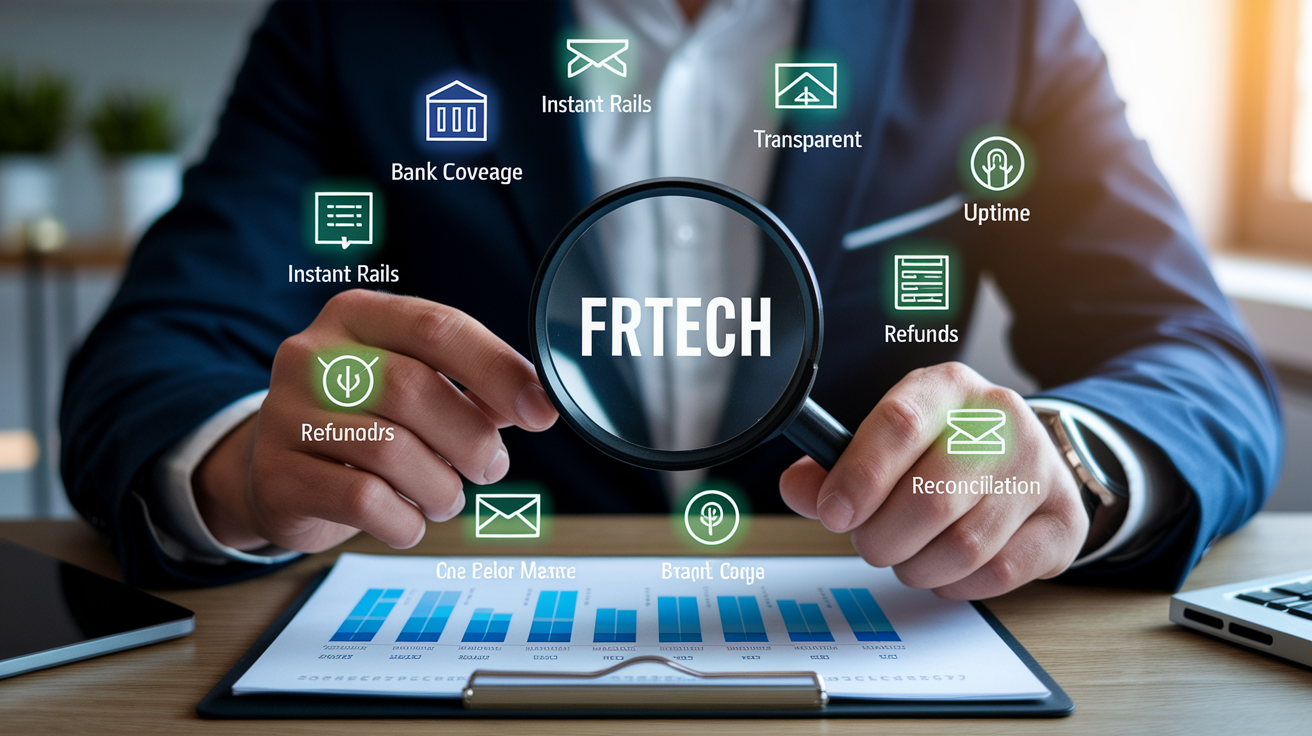
Provider choice determines your bank coverage, settlement speed, API reliability, and ultimately how much you save. Not all payment initiation service providers are built equally. Differences in pricing models, supported rails, and platform integrations affect both cost and conversion.
Key selection factors when evaluating providers:
- Bank coverage and geographic reach: confirm the provider connects to the banks your customers use, especially in your top markets
- Payment rails supported: check for Faster Payments (UK), SEPA Instant (EU), and any local instant rails in target countries
- Settlement speed and reliability: look for providers advertising uptime above 99.9% and settlement within seconds
- Pricing model transparency: compare flat per-transaction fees, percentage-based fees, and monthly platform charges
- Platform integrations and API quality: verify plug-ins or SDKs exist for your ecommerce platform and review developer documentation quality
Pricing models vary. Some providers charge a flat fee per transaction, £0.20 to £0.50 is common. Others use a small percentage, typically 0.1% to 0.3%. A few combine a monthly platform fee with lower per-transaction costs, which can work well for high-volume merchants. Always model your expected transaction count and average order value against each provider’s fee structure to identify the lowest total cost. Providers offering instant refunds, reconciliation APIs, and standing order or variable recurring payment support deliver more operational value and reduce the need for separate tooling.
Final Words
Cut costs now: open banking often costs 70–90% less than card fees, speeds settlement, and reduces fraud and chargeback expense.
It works through bank‑to‑bank checkout with strong authentication and PSP (payment service provider) plug‑ins; availability is strongest in the UK/EU and growing elsewhere.
Run a small pilot on your top 10 SKUs, compare two providers’ pricing and settlement, and watch conversion and refunds for 4–6 weeks.
If the numbers line up, using open banking payments to lower ecommerce transaction fees will protect margin and speed cash flow.
FAQ
Q: What are the downsides of Open Banking?
A: The downsides of open banking are limited merchant coverage in some countries, customer unfamiliarity, weaker refund/chargeback protections, and extra SCA steps; mitigate by offering fallback payments and clear refund messaging.
Q: How do I optimize payment processing for my e-commerce site?
A: To optimize payment processing for your e-commerce site, prioritise low-cost rails, use smart routing for declines, simplify checkout, tokenise payment data, negotiate PSP rates, and monitor declines, conversion, and fees daily.
Q: What is the difference between A2A and P2P?
A: The difference between A2A and P2P is that A2A (account-to-account) moves funds directly between bank accounts for merchant or bank payments, while P2P (person-to-person) refers to peer transfers between individuals.
Q: How to reduce transaction fees?
A: To reduce transaction fees, move high-volume flows to open banking or ACH/A2A, negotiate with your PSP, encourage bank/wallet payments, set card minimums, and run fee-impact tests to measure savings.