


Think returns are getting easier for buyers? Good—if you’re a seller, they’re about to cost you more.
Between late January and February 8, 2026, Amazon, eBay, and Etsy are forcing faster refunds, mandatory prepaid return labels, tighter response windows, and stricter buyer-favoring dispute rules.
That matters because you’ll face higher shipping bills, more automatic refunds, and new account defects unless you change workflows.
This post shows what changed, who takes the hit, and the exact compliance actions—update labels, speed up refunds, audit listings, and set alerts—every seller should finish before mid-February.
2026 marketplace return and refund rule changes sellers must know

February 8, 2026 marks a major shift across Amazon, eBay, and Etsy. Amazon’s rolling out mandatory prepaid return labels for all US sellers, no matter what you’re selling or how much it costs. eBay’s tightening response windows and forcing free returns across more categories. Etsy’s making it harder to charge restocking fees and tilting disputes even further toward buyers. Everything goes live between January and mid-February, and enforcement starts right away.
The platforms want faster refunds and less friction for customers. Amazon’s pushing for seven-day refund cycles instead of the old fourteen-day standard. eBay introduced something called a “Return Resolution Window” that’ll slap you with automatic defects if you respond late. Etsy expanded the list of items where you can’t deduct restocking fees. All three are automating more refund triggers, and when something goes wrong, you’re the one holding the bag.
What you need to watch:
- February 8, 2026: Amazon forces all US seller-fulfilled returns to use Amazon Prepaid Return Labels (exceptions for handmade, preowned watches, digital goods, dangerous items, and oversized stuff).
- January 26, 2026: Amazon gave sellers four days to process returns instead of two.
- Amazon killed the automatic review that used to protect high-value returns. Now refunds can go out before you even see the item come back.
- Items over $250 used to get extra protection. Not anymore.
- eBay’s Return Resolution Window hits you with automatic refunds and account defects if you miss deadlines.
- Etsy’s new dispute rules restrict restocking fees and give you less time to respond.
Platform-specific return policy updates for 2026
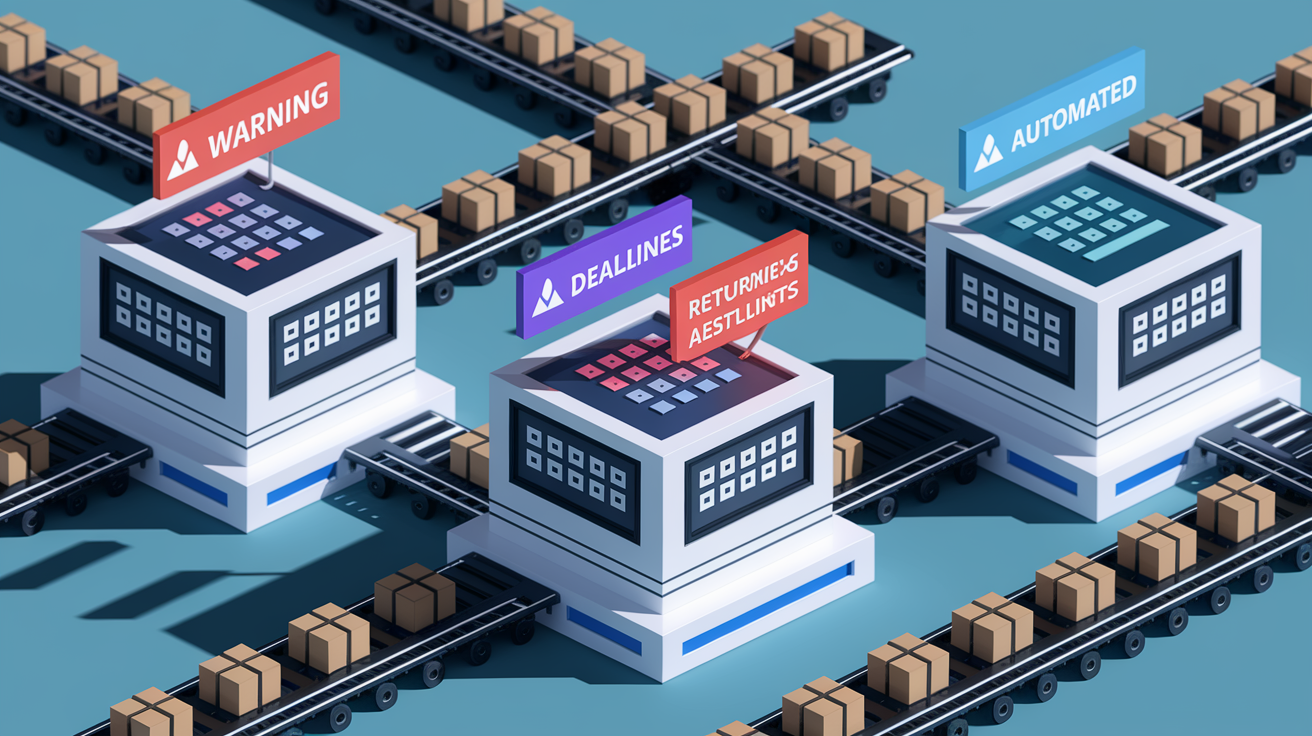
Amazon’s January updates are all about speed. The prepaid label program becomes mandatory February 8, and the company wants to cut customer refund cycles in half. You get four days to process returns now instead of two, but Amazon can issue refunds the second a carrier scans the package. That means no inspection window. The old buffer that kicked in around $500 is gone, so anything over $250 is wide open to fraud, swaps, and damage claims with zero advance warning. If you don’t refund within four days or if you wait for Amazon to do it, expect A-to-Z claims and account penalties. Handmade goods, certified preowned watches, digital products, dangerous goods, and extra-large items are still exempt, but everyone else needs Buy Shipping Services working by early February.
eBay’s “Return Resolution Window” puts accountability squarely on you. Miss the deadline and you’ll get an automatic refund plus a performance defect. Free returns are now required in more categories, which means higher costs and more exposure to returns from buyers who just changed their minds. Restocking fees are restricted across more product types, and if you miss deadlines or can’t prove tracking, eBay’s case system sides with the buyer. If you’re running thin margins or selling in high-return categories, get ready for higher shipping costs and fewer ways to recover losses or push back on damage claims.
Etsy made buyer protection stricter and restocking fees harder to charge. The platform updated its dispute policies so sellers have less room to deduct fees or refuse refunds, especially for “not as described” cases. Response windows are shorter, and buyer claims carry more weight during disputes. If you sell custom or handmade items with detailed descriptions, prepare for more disputes. Etsy’s algorithms and support teams are interpreting return eligibility in the buyer’s favor. These updates hit in early 2026, and missing deadlines or dragging your feet on refunds means case escalations, account warnings, and less visibility in search.
| Marketplace | Key 2026 Change | Effective Date |
|---|---|---|
| Amazon | Mandatory Amazon Prepaid Return Label for all US seller-fulfilled returns; refunds at first scan | February 8, 2026 |
| eBay | Return Resolution Window with automatic defects for late responses; expanded free-return categories | January 2026 |
| Etsy | Stricter buyer-favoring dispute policies; narrower restocking-fee allowances | Early 2026 |
Compliance requirements sellers must meet under the new rules

You need to update return settings, workflows, and product listings before mid-February to avoid automatic penalties. Amazon sellers must turn on Buy Shipping Services integration by February 8 to accept prepaid return label requests. You’ve got four days to inspect, process, and refund returns, but Amazon can issue customer refunds at the first carrier scan. That forces you to chase reimbursements after the fact. eBay sellers must set up automated responses inside the Return Resolution Window so every return request gets a tracking number or refund approval before the platform cuts you off. Etsy sellers should audit product descriptions, strip out any restocking-fee language that breaks the updated rules, and get ready to issue full refunds for “not as described” cases without deductions.
Platforms enforce this stuff through account metrics and automatic defects. Amazon tracks late refunds, A-to-Z claims, and SAFE-T reimbursement requests. Miss the four-day window or fail to refund after a first-scan trigger and you’ll see claims pile up. eBay logs missed Return Resolution Window deadlines as defects, which tank your seller ratings and bury you in search. Etsy penalizes late responses with case escalations and may restrict your account if buyer complaints stack up. Treat these deadlines like hard stops and build internal alerts to flag returns before platform timeouts expire.
Required steps:
- Update Seller Central, eBay, or Etsy account settings to enable mandatory prepaid return labels and accept platform-generated return shipping by February 8, 2026.
- Adjust ERP or order-management systems to process returns and issue refunds within four days of return initiation (Amazon) or within marketplace-specified Return Resolution Windows (eBay).
- Remove or revise restocking-fee policies in affected categories. Make sure product listings and return templates comply with new restocking restrictions on all three platforms.
- Set up photographic and inspection protocols for all incoming high-value returns (items over $250) to document condition, serial numbers, and package contents within 24 hours of receipt.
- Monitor account health dashboards daily for new A-to-Z claims, eBay defects, or Etsy case escalations. Respond to disputes within the first 24 to 48 hours to preserve appeal rights and reimbursement eligibility.
Financial impacts of the 2026 refund rule changes

Sellers are looking at higher per-return costs and lower reimbursement rates. Amazon sellers report carrier return charges hitting $20 to $25 per return when the platform assigns UPS instead of cheaper USPS options. The 2024 returns processing fee for high-return-rate items added another cost layer, and now you’re balancing that fee against lost inventory when you use returnless refunds. SAFE-T reimbursements used to offer partial recovery for damaged or fraudulent returns, but sellers say they’re getting “way less than 50 percent,” with platform language suggesting that only extreme damage gets you to 50 percent. If you’re running margins below 20 percent, expect serious profit erosion when you factor in advertising fees, FBA costs, and the new return-shipping liabilities.
Restocking-fee restrictions take away another recovery tool. eBay’s expanded free-return categories and Etsy’s narrower restocking allowances mean you can’t offset inspection or relisting labor by deducting fees from customer refunds anymore. Sellers who tested Amazon’s restocking-fee system in early 2025 say the platform tells buyers and sellers to settle disputes privately and points to sellers as the ones responsible for issuing full refunds, making fee deductions tough to enforce. High-value categories like electronics, musical instruments, and collectibles face the biggest cost shifts because fraud exposure is higher and platforms killed the pre-refund review buffers.
Return rates are expected to climb as platforms shorten refund cycles and reduce buyer friction. E-commerce return rates average 20 to 30 percent compared to 8 to 10 percent for brick-and-mortar, and faster, easier refund processes usually push rates higher. You should model increased return volume into unit economics, especially for apparel, shoes, home goods, and seasonal items where fit, color, or buyer preference drive returns. Categories with the biggest projected cost increases include items priced between $250 and $500 (formerly protected by Amazon’s review threshold), bulky or fragile goods with high return-shipping costs, and handmade or customized products on Etsy where “not as described” disputes are harder to defend.
How sellers should prepare for the 2026 policy rollout

You’ve got until February 8 to update systems, train teams, and verify compliance across all active marketplaces.
What to do:
- Audit your top 500 ASINs, eBay listings, and Etsy SKUs by return volume. Flag items priced over $250 and categories with restocking-fee restrictions, and verify that product titles, bullets, images, and attributes are accurate and complete.
- Turn on Buy Shipping Services integration in Amazon Seller Central and configure automated return-label generation for eBay and Etsy by February 1 so you can test before the February 8 deadline.
- Update internal handling-time and refund SLAs to reflect the new four-day Amazon processing window and eBay’s Return Resolution Window. Set calendar alerts to trigger inspections and refunds 48 hours before platform deadlines.
- Revise product detail pages to include high-resolution images showing condition, serial numbers, and packaging. Add sizing charts, measurement guides, and usage videos to reduce “not as described” returns.
- Prepare customer-service scripts for common return scenarios (damaged items, fraud claims, replacements instead of refunds) and train support staff to document all buyer communication and refuse unauthorized return-label purchases.
- Set up pre-shipment photography protocols for all orders over $250, capturing item condition, packaging, and tracking barcodes. Store images in a secure, timestamped system to support post-refund appeals.
- Schedule weekly return-rate reviews by ASIN, category, and marketplace. Watch for abnormal patterns, repeat-offender buyer accounts, and SKUs with return rates above category averages.
Treat the first 30 days after February 8 as a live testing period. Monitor how quickly platforms issue refunds after first carrier scan, track how long SAFE-T or eBay reimbursement claims take to resolve, and document any cases where automatic refunds happen before inspection. Use this data to adjust pricing models, inventory allocation, and high-risk SKU strategies. If you rely on high-ticket items or operate on marketplaces with strict buyer protections, speed up multichannel selling to reduce dependency on Amazon, eBay, or Etsy and to keep more control over return policies and customer communication.
Risk mitigation strategies for higher 2026 return volumes

The best defense against increased returns is improving listing accuracy and product quality before orders ship. Better product imagery cuts “not as described” disputes. Use multiple high-resolution photos showing the item from all angles, close-ups of materials and finishes, and lifestyle shots demonstrating scale and use. Add measurement tables, fabric-content details, and compatibility charts directly into bullet points and product descriptions so buyers see critical information without clicking “more info.” Video content showing unboxing, assembly, or product features can cut return rates by clarifying expectations before purchase. Sellers who invest in professional photography and detailed copy typically see return-rate drops of 10 to 15 percent within 60 days.
Packaging and quality checks also reduce damage-related returns. Use appropriately sized boxes, bubble wrap, and protective inserts for fragile items, and include packing slips with handling instructions and support contact details. Add a final inspection step before shipping high-value orders, checking for defects, missing accessories, and correct SKU fulfillment. Sellers who add a QA checklist to their pick-pack workflow report fewer “damaged” or “wrong item” returns and higher success rates when disputing buyer claims. For categories with high return risk (electronics, glassware, musical instruments), consider signature-required delivery and carrier insurance to create an audit trail and recover losses when items get damaged in transit.
Post-purchase communication can also reduce refund requests. Send a follow-up message 24 to 48 hours after delivery with setup tips, troubleshooting links, or care instructions. Offer a replacement or partial refund for minor issues before buyers initiate a full return. Monitor customer questions and negative reviews to spot common pain points, then update listings or packaging to address those issues up front. Sellers who respond quickly to buyer inquiries and resolve problems before return requests are filed see lower return rates and fewer A-to-Z or dispute escalations.
Workflow and operational adjustments for sellers

Returns processing must now fit shorter deadlines and platform-initiated refunds. Configure automated alerts to flag incoming return requests within one hour of platform notification so inspection and refund workflows begin immediately. For Amazon, integrate Buy Shipping Services into warehouse-management systems so prepaid labels are generated automatically and return authorizations are tracked in real time. For eBay and Etsy, set up RMA templates that include response scripts, tracking-number fields, and refund-approval logic tied to the Return Resolution Window deadline.
Operational adjustments:
- Assign dedicated staff or shift priority to return inspections during the first 48 hours after a return request comes in. Use photo capture, serial-number verification, and condition checklists to document every incoming package before issuing refunds.
- Automate refund approvals for low-value returns (items under $50 or categories with low fraud risk) to meet platform deadlines without manual review. Escalate high-value or suspicious returns to a manager for same-day inspection and decision.
- Keep a centralized log of return requests, carrier tracking events, refund timestamps, and reimbursement claim statuses. Use this log to identify repeat buyers, high-return SKUs, and patterns that point to fraud or listing issues.
- Prepare Seller Support escalation scripts and order references for cases where Amazon, eBay, or Etsy issues refunds before returns arrive. File reimbursement claims via SAFE-T or platform-specific tools within 24 hours of detecting unauthorized refunds.
Documentation is now more critical than timelines. Platforms expect you to provide photographic evidence, tracking scans, and timestamped inspection notes when disputing refunds or requesting reimbursements. If you can’t produce clear, date-stamped proof of item condition or delivery, you’ll lose appeals and eat the full refund cost. Use cloud-based storage for return photos and logs, tag files by order ID and marketplace, and keep records accessible for at least 180 days to cover the full claims and appeals window. Automation tools that link return authorizations to photo uploads, carrier tracking APIs, and refund triggers will cut manual workload and improve evidence quality when disputes come up.
Final Words
In the action: marketplaces pushed tighter 2026 return and refund rules — automated refunds, shorter response windows, expanded free returns, restocking‑fee limits, and higher seller accountability. This piece covered platform specifics (Amazon, eBay, Etsy), compliance must-dos, financial impacts, preparation steps, risk mitigation, and operational changes.
What to do next: update listings, tighten quality control (QC), set up automated workflows, train support, and monitor metrics.
Marketplace returns and refund policy changes 2026: what sellers must do, follow the checklist and start audits this week so you protect margins and keep customers happy.
FAQ
Q: Is Amazon charging for returns in 2026?
A: Amazon is charging return fees in 2026 for certain categories and sellers. The platform tightened free-return rules and allows automated deductions; check Seller Central for affected SKUs and update your return settings now.
Q: What happens if a seller refuses to refund on Facebook marketplace?
A: If a seller refuses to refund on Facebook Marketplace, Facebook’s buyer protection or the payment provider can open a claim, force a refund, and flag or suspend the seller. Respond quickly and follow the dispute process.
Q: What items usually can’t be refunded?
A: Items that usually can’t be refunded include perishable goods, personalized or custom products, digital downloads, opened hygiene items, and final-sale clearance pieces; list exceptions clearly in product pages and policies.
Q: What are the new rules for Amazon returns?
A: The new Amazon return rules require automated refunds in eligible cases, shorter seller response windows, tighter restocking-fee limits, and stricter seller accountability for late or incorrect processing—check Seller Central for category details.